The best hybrid cars for drivers who prioritise range
 Carlos Romero
3 March 2026
7 min.
In 2026, interest in hybrids with optimised batteries designed to extend electric driving continues to grow, especially among drivers who make long journeys frequently. The expansion of charging infrastructure and improvements in battery technology have turned certain plug-in models into credible alternatives to the purely combustion car, provided that charging is managed sensibly. Two sentences sum up the useful approach: real-world electric range is usually lower than the homologated figure, and the choice of vehicle must take into account the charging network available on your usual routes. This type of car creates doubts because it combines two worlds: useful electric range on the road and the need for a combustion engine as a backup.
This buying guide is for…
This guide is aimed at drivers who regularly cover long distances and want to maximise the share of the journey in electric mode without giving up the flexibility of a combustion engine. It suits those who plan intercity trips, combine motorway and suburban stretches, and have access to regular charging at their destination or en route. It is not the best option for users who cannot charge regularly, for fleets that prioritise the lowest possible upfront cost, or for those who want only the smallest possible operating footprint without accepting trade-offs in weight and cost.
Common options within the segment
The market offers solutions focused on electric range (a larger battery and lower combustion power), balanced approaches (a moderate battery and a mixed focus), and price-oriented alternatives (a smaller battery to keep costs down). The common trade-offs affect vehicle weight, combined consumption once the battery is depleted, charging planning on long journeys, and the final price. Some models prioritise efficiency; others prioritise towing capacity or comfort on the road.
Key criteria for choosing well
Realistic versus homologated range: checking independent tests and urban WLTP figures is not enough; look for data on motorway use and with a loaded boot. Charging power and speed: the charging input capacity in kW makes the difference at fast-charging stops. Stability and comfort on the journey: the additional weight of the battery affects behaviour at high speed and suspension comfort. Genuinely useful technology: charge-management assistants, the regeneration system and driving modes that optimise motorway consumption matter more than the largest screen. Total cost: add up price, maintenance, consumption and depreciation; energy savings depend as much on actual use as on the available incentives.
It depends on how you drive
Cautious drivers who prefer not to stop often will value batteries with greater electric range and less reliance on intermediate charging. Those who prioritise flexibility and charge regularly at their destination may opt for plug-in hybrids with a moderate battery and less extra weight. The climate affects this: in winter the electric range is reduced; in mountain areas it also decreases due to the demands on the heating system. In town, energy recovery and regular electric use will be more effective than on continuous motorway journeys.
Real price: what you should know
The “from” price usually reflects the basic version without significant equipment; the equipment, the battery pack and the paint can raise the final cost considerably. Financing reduces the monthly payment, but increases the total cost through interest and sometimes requires packages that push up the price. Interpret the “from” price as a commercial reference: always compare the version on offer with the equipment you will actually need for long journeys (a larger-capacity onboard charger, a roof, driver-assistance systems). Public aid, discounts and the dealer’s contribution are factors that can change the effective purchase price.
Reference models on the market
Hyundai Tucson PHEV (from €43,900*)
Compact SUV plug-in hybrid with a battery designed to offer useful electric range in mixed environments and on intercity stretches. Its set-up is comfortable for long motorway journeys when the battery is combined with a capable combustion engine.
Best features
A balance between electric range and combustion performance; good ergonomics for travel and battery charging that can be recovered in mixed driving.
Areas for improvement
Additional weight that penalises consumption over long cycles without charging, and optional equipment that quickly raises the final price.
Kia Niro PHEV (from €33,450*)
Compact SUV focused on electric efficiency on combined routes. Battery optimised for everyday journeys and moderate fast charging; useful for short to medium-distance trips and as support on long routes if charging is planned.
Best features
A good consumption-to-electric-range ratio in mixed use and practical roominess for trips with moderate luggage.
Areas for improvement
Electric range lower than rivals with larger batteries; on the motorway the combustion engine is more noticeably present.
Toyota RAV4 Plug-in (from €46,200*)
A model aimed at offering greater electric range within the mid-size SUV segment, designed for users who need long electric journeys and occasionally travel with a heavier load.
Best features
Competitive electric range and reliability of the hybrid architecture in combined use.
Areas for improvement
High entry price, and weight that can affect consumption when the battery is depleted on long journeys.
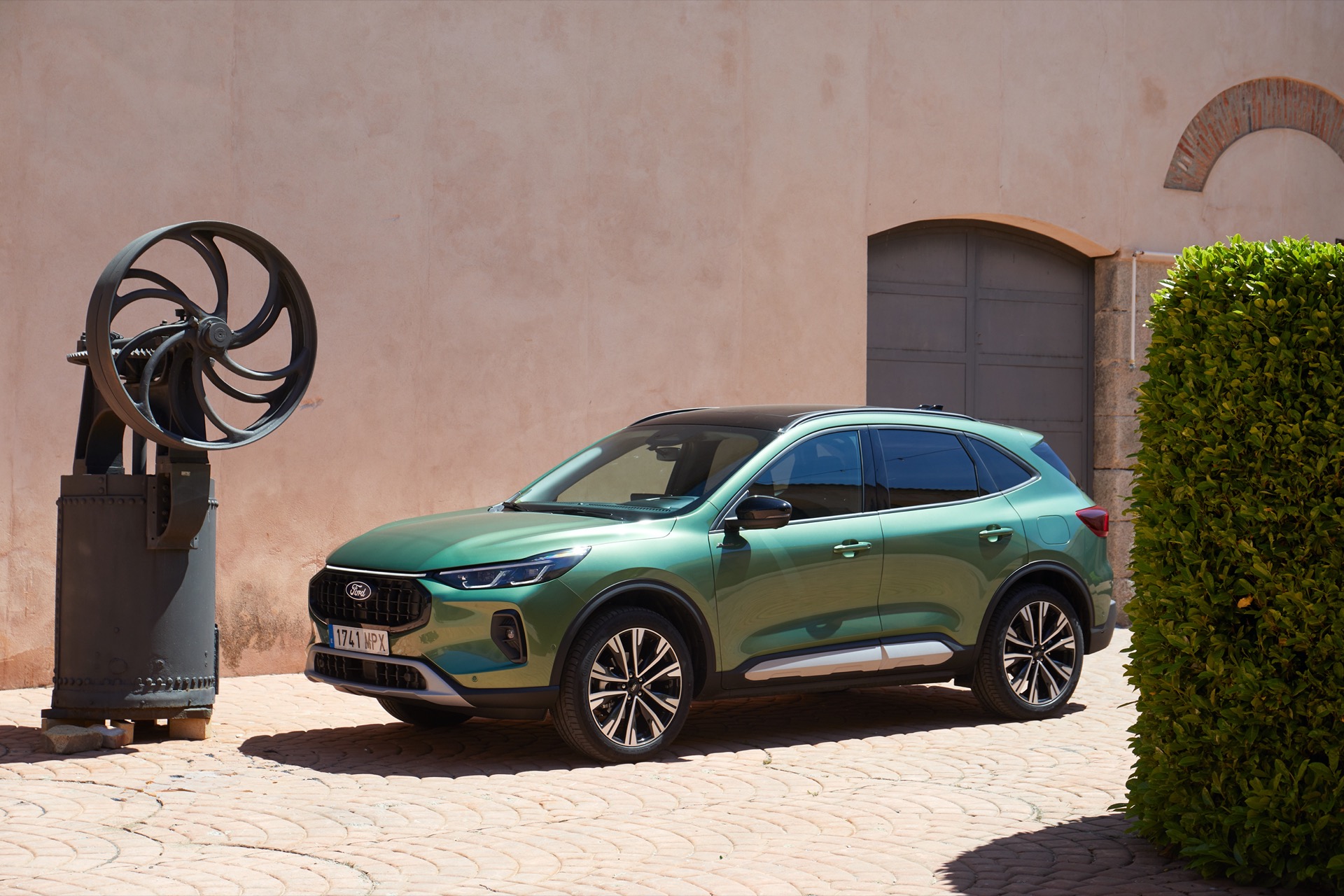
Ford Kuga PHEV (from €39,900*)
An alternative in the compact segment focused on efficiency on the road and, in some versions, faster on-board charging options; designed for a profile that alternates between road and city driving.
Best features
Good road dynamics and availability of energy-management systems geared towards journeys.
Areas for improvement
Real motorway electric range falls short of homologated figures; important equipment is often optional.
Mitsubishi Outlander PHEV (from €44,800*)
Family SUV with a proven track record in plug-in hybrids and a battery optimised to offer useful electric journeys with moderate charging and towing.
Best features
A mature hybrid system, relative towing capacity and decent electric range for trips with planned stops.
Areas for improvement
Infotainment technology less advanced than that of some competitors, and weight that affects consumption without charging.
Purchase incentives
Purchase incentives in 2026: Plan Auto+ and tax benefits.
Main amounts of the Plan Auto+ 2026
– Direct aid of up to €4,500 for electric passenger cars.
– Up to €5,000 for light vans in category N1.
– Retroactive effect from 1 January 2026.
– Approximate budget allocation of €400 million.
Who can benefit and priority criteria
Beneficiaries: private individuals, self-employed workers and companies. The EEE criterion (Electric, Economic and European) is applied to give priority to vehicles with a greater electric character and a European supply chain. Pure electric vehicles (BEV) receive a larger incentive than plug-in hybrids (PHEV); vehicles priced below €35,000 receive the maximum aid, while those priced between €35,000 and €45,000 receive a reduced amount. An additional incentive is granted if the final assembly or the batteries come from the European Union.
Additional requirements and tax advantages
Mandatory minimum discount of €1,000 from the dealer. A 15% deduction from income tax (IRPF) up to a maximum of €3,000. Tax validity until 31 December 2026.
Management and possible regional aid
Management is coordinated by the Ministry of Industry together with the Autonomous Communities. Additional regional programmes may exist that supplement the national aid; for example, the Plan Cambia 360 in the Community of Madrid. At the time of writing, it is not confirmed whether all regional aid is compatible with the Plan Auto+ 2026.
Common buying mistakes
1) Taking only the WLTP range as a reference without checking real-world motorway usage data. 2) Forgetting the impact of weight and aerodynamics on consumption when the battery is depleted. 3) Not checking the maximum charging speed and compatibility with the charging network usually available on the routes you travel. 4) Not considering the true total cost (financing, maintenance and depreciation). 5) Choosing the cheapest version when it lacks an adequate onboard charger for long journeys.
With the information and criteria described, the reader has a solid basis for evaluating which plug-in hybrid best suits their routes. The logical next step is to compare the specific versions and review up-to-date analyses or independent tests to refine the purchase decision.

 Peugeot E-208 GTi: a battery-powered toy that revives the spirit of the 1980s sports cars
 New Lexus ES: luxury grows and goes electric
 First contact with the Dacia Sandero Hybrid 155: power and efficiency from €19,890
Deja un comentario