The European Union sets the end of combustion engines for 2035
 Victor Alós Yus @sepelaci
15 July 2021
3 min.
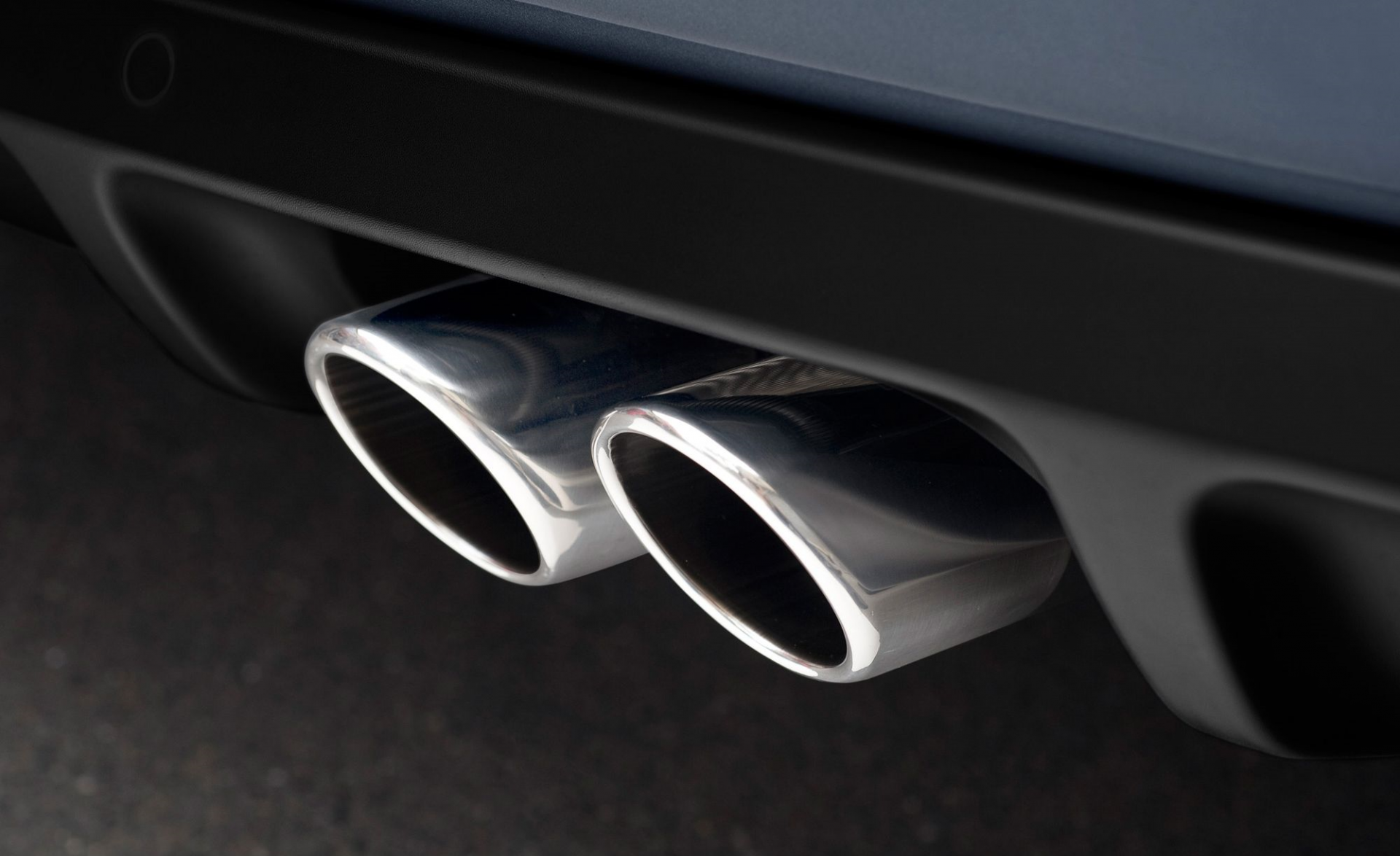
The European Union has already set a deadline for the end of combustion engines, fixing it for the year 2035, although a series of moratoriums is expected.
The European Union has taken a giant step to determine when cars with combustion engines will stop being manufactured. The date set for them to disappear from dealerships is the year 2035. That year, a new regulation will come into force stipulating that cars must have 0 emissions. Something that can only be achieved with electric vehicles or with hydrogen fuel cell vehicles.
The regulation will take effect that year, but five years earlier, emissions are expected to have been reduced by 55%. In other words, the automotive company must start working quickly to adapt to these new rules on pollution. These measures will be taken to achieve carbon neutrality by 2050, so this must enter into force on that date in order to achieve the expected results.
Major plans to curb pollution
This is not the only measure to be taken under the European Union’s proposal, which is called Fit for 55. The aim is not only to eliminate combustion engines in the automotive industry, but also to introduce several measures aimed at eliminating the emissions produced by freight transport, both by road and by sea and air, which are responsible for the largest number of polluting emissions.
From 2026 onwards, road transport will be part of an emissions market, as the aim is to encourage the use of more sustainable vehicles. Trucks as well as air and sea transport will begin to be obliged to shift towards the use of sustainable fuels to meet the challenge posed by this project: achieving carbon neutrality.
This path is riddled with problems and challenges that manufacturers will have to face, which they cannot successfully tackle without the help of governments. The uptake of electric vehicles is still very low. And as for those that use fuel cells, better not even mention them.
The lack of infrastructure, its high cost and other variables make it difficult to meet these deadlines. For its part, the European Union wants to increase battery charging points so that they can be used for both short and long journeys. The intention of European governments is for a charging station to exist every 60 kilometres and, in the case of hydrogen refuelling points, no more than 150 km apart.
It is a very ambitious project for such a short time, so the European Union does not rule out the deadline, but is open to establishing moratoriums if the automotive industry fails to achieve this objective by the planned date. That would be the most logical outcome, since a difficult transition is expected and it will be very hard to reach it.
But for now, that date, 2035, is set for ceasing to sell vehicles with combustion engines. But beware, this does not mean that all vehicles with petrol, diesel, gas or hybrid engines will have to be eliminated. Those bought before that date may continue to operate without further problems, subject to the restrictions of each country.
For the time being, now comes the negotiation with all the member countries of the European Union, which is expected to be long and complicated, so there is still quite some time before this proposal is finalised and definitively shaped.


 Peugeot E-208 GTi: a battery-powered toy that revives the spirit of the 1980s sports cars
 New Lexus ES: luxury grows and goes electric
 First contact with the Dacia Sandero Hybrid 155: power and efficiency from €19,890
Deja un comentario