The unexpected farewell of Carlos Tavares, CEO of the Stellantis group
 Óscar Sanz
2 December 2024
3 min.
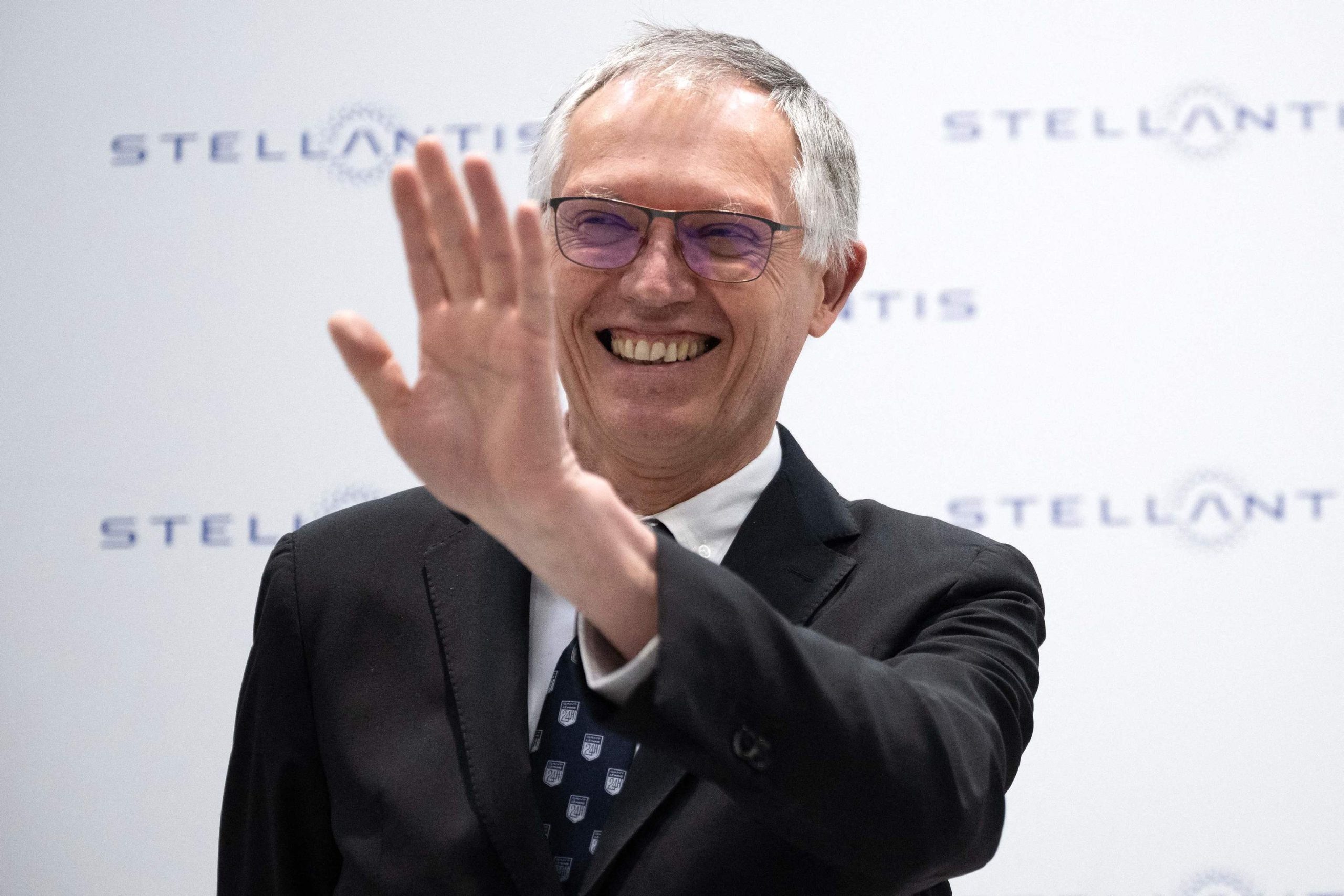
The unexpected departure of Carlos Tavares as CEO of Stellantis opens a transitional phase led by John Elkann while the company redefines its strategy
In a move that has left the automotive industry surprised, Carlos Tavares has resigned as CEO of Stellantis with immediate effect, bringing forward his planned retirement from 2026. His resignation, accompanied by tensions with the board of directors, leaves the company at a crucial moment, with an abrupt change that marks the start of a new chapter for the automotive giant.
An unexpected end
Tavares, who led the merger between PSA and FCA to form Stellantis in 2021, leaves behind a legacy marked by deep transformations within the group. During his tenure, the executive implemented key strategies to position the company as a global player in electrification and sustainable mobility. However, the official statement mentions that in recent weeks “different points of view” emerged between Tavares and the board, which led to this decision.
Henri de Castries, senior independent director of Stellantis, noted that the alignment among shareholders, the board and the CEO had been a pillar of success for the group since its creation. But recent tensions made their continuation untenable, suggesting that the disagreements were strategic rather than operational.
The role of the interim committee and the leadership of John Elkann
Until a new CEO is appointed, expected in the first half of 2025, Stellantis will be run by an interim executive committee headed by John Elkann, the company’s current chairman and representative of the Agnelli family. Elkann has publicly thanked Tavares for his dedication and highlighted his role in the transformation of PSA, Opel and the consolidation of Stellantis as a global leader.
The selection process for the next CEO is already underway, overseen by a special committee of the board of directors. This will be a key moment to define the future of the group, which must balance the expectations of its shareholders, union pressure and the demands of a rapidly evolving automotive market.
A context of internal and external pressure
Tavares’s departure does not occur in a vacuum. In recent months, Stellantis has faced pressures from several fronts. On one hand, Italian workers went on strike to protest production cuts, while the US union UAW openly called for the executive’s dismissal due to labor tensions in North America.
In addition, dealerships have voiced their dissatisfaction over strategic errors in inventory and pricing management, which have caused overstock problems and affected the competitiveness of some brands under the Stellantis umbrella.
2025: a new chapter for Stellantis
The next CEO will have the task of rebuilding internal cohesion, facing the demands of the global market and maintaining the financial forecasts for 2024, which the company recently confirmed. In addition, it will be crucial to redefine the electrification strategy, an area where Stellantis has progressed but still faces challenges from rivals such as Tesla, Volkswagen and BYD.
With the automotive industry in full transformation, Stellantis’s new leader will need to make key decisions to ensure the group maintains its leading position in sustainability, innovation and profitability.


 Peugeot E-208 GTi: a battery-powered toy that revives the spirit of the 1980s sports cars
 New Lexus ES: luxury grows and goes electric
 First contact with the Dacia Sandero Hybrid 155: power and efficiency from €19,890
Deja un comentario