Top 5 electric compact cars with the longest range in 2026
 Iván Navarro
4 March 2026
8 min.
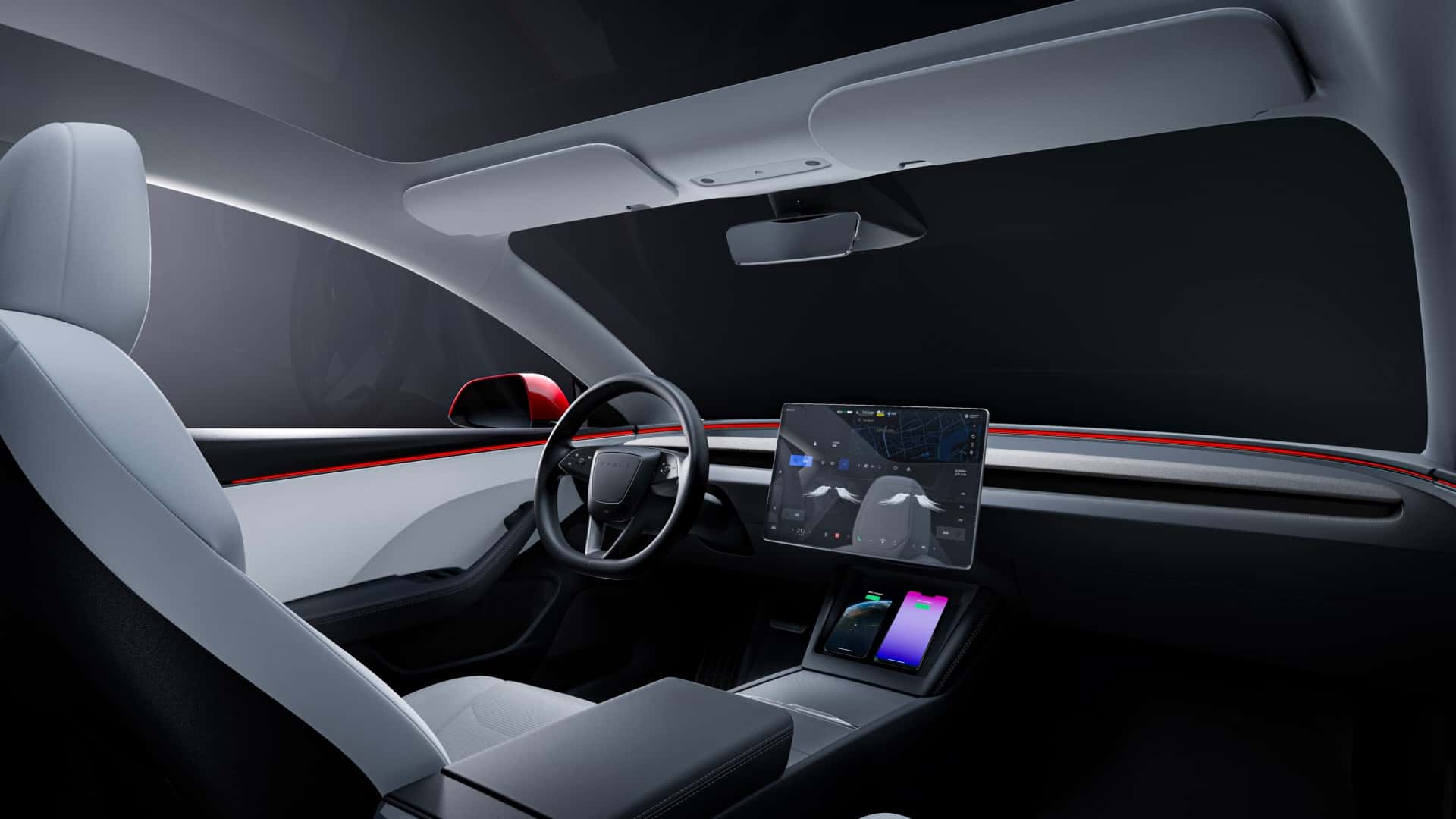
In the electric compact car segment, the offer is becoming increasingly varied, so choosing is not straightforward. With the guide below we hope this task will be somewhat easier.
The electric compact market in 2026 offers more mature options in range and efficiency, with models that balance urban size and the capacity for medium-distance trips. Battery specialisation and aerodynamic optimisation have allowed some compacts to surpass previous range limits, transforming their daily usefulness. This article brings together five models that, by design and technical approach, stand out as range benchmarks within the compact segment, and offers comparisons and practical advice for choosing according to use, budget and charging habits.
Who is this ranking for?
This ranking is based on market data, official specifications and published tests. It is designed for people who value real-world range within a compact format and seek a balance between efficiency and practicality.
If you drive many kilometres every day and need to avoid frequent recharging, if you are looking for a compact for mixed city/motorway journeys, or if you need a model with sufficient guarantees for weekend trips, this list will help you compare real alternatives and relevant technical offers.
What details have we analysed?
We consider market positioning, official technical data such as WLTP range and power, consumption as homologated by the manufacturer, dimensions and expected real-world use in urban and extra-urban environments, and the price/technical approach ratio that defines the vehicle’s usefulness for different driver profiles.
Ranking of electric compact cars with the longest range in 2026
Tesla Model 3 Long Range (from 46,990 €*)
Indicative price without applying public aids or the brand’s commercial discounts.
Why it’s here: Long-range version with a high-capacity battery and optimised thermal management; it stands out for a class-leading WLTP range and energy management software that minimises losses in mixed cycles.
Ideal for: Those who combine urban use with frequent motorway trips and want a compact with extended range.
Pros:
- High and consistent WLTP range on mixed routes
- Widely deployed fast-charging network
- Efficient energy management on the road
Cons:
- Entry price higher than other compacts
- Equipment and finish vary between versions
Renault Mégane E-Tech (from 34,900 €*)
Indicative price without applying public aids or the brand’s commercial discounts.
Why it’s here: Compact platform with battery options that strike a balance between mass, efficiency and WLTP range, aimed at users who prioritise interior space and cost per kilometre.
Ideal for: Drivers who want enough range for regular trips without sacrificing the liveability of a compact.
Pros:
- Good range-to-interior-volume ratio
- Electrical architecture optimised for efficiency
- Competitive entry price
Cons:
- Fast charging less widespread than with other brands
- Range varies depending on driving style
Hyundai Kona Electric (from 38,500 €*)
Indicative price without applying public aids or the brand’s commercial discounts.
Why it’s here: Compact SUV with good energy density and real-world efficiency in town and on the road; its battery offers a competitive WLTP range within the segment.
Ideal for: Users who need urban versatility with enough range for trips out of the city.
Pros:
- Real-world consumption efficiency and good responsiveness in town
- Proven and reliable platform
- Reasonable charging options
Cons:
- Boot volume and liveability more limited than slightly larger rivals
- Some versions with less standard equipment
Volkswagen ID.3 Pro S (from 35,990 €*)
Indicative price without applying public aids or the brand’s commercial discounts.
Why it’s here: Development focused on efficiency and total cost of ownership; the Pro S version offers the largest battery in the ID.3, with a WLTP range geared to longer journeys without losing urban agility.
Ideal for: Those seeking a practical compact with sufficient range for regular trips outside the city.
Pros:
- Balance between size and range
- Good technological integration and service network Volkswagen
- Useful configuration options
Cons:
- Real consumption can rise on motorways at high speeds
- Price of the longest-range version increases the final cost
Cupra Born (from 37,200 €*)
Indicative price without applying public aids or the brand’s commercial discounts.
Why it’s here: Performance- and efficiency-oriented variant on a compact platform; it combines high-capacity batteries with a set-up aimed at maintaining range in dynamic driving.
Ideal for: Drivers looking for a compact with character and consistent range for usually long journeys.
Pros:
- Good balance between driving and range
- Design and tuning oriented towards dynamism
- Modern charging and energy management systems
Cons:
- Entry cost higher than some mainstream rivals
- Equipment may vary by version
The prices shown in this ranking are indicative, without applying public aids or the brand’s commercial discounts.
Technical comparison
| Model | Range | Power | Consumption | Top speed | Price (€*) |
|---|---|---|---|---|---|
| Tesla Model 3 Long Range | ~580 km (WLTP) | ~340 kW | ~15.0 kWh/100 km | 261 km/h | 46,990 €* |
| Renault Mégane E-Tech | ~470 km (WLTP) | ~160 kW | ~16.3 kWh/100 km | 160 km/h | 34,900 €* |
| Hyundai Kona Electric | ~484 km (WLTP) | ~150 kW | ~15.8 kWh/100 km | 167 km/h | 38,500 €* |
| Volkswagen ID.3 Pro S | ~426 km (WLTP) | ~150 kW | ~16.0 kWh/100 km | 160 km/h | 35,990 €* |
| Cupra Born | ~545 km (WLTP) | ~170 kW | ~15.3 kWh/100 km | 160 km/h | 37,200 €* |
These data are official and taken from the brands’ official websites.
Purchase aid in 2026: Plan Auto+ and tax benefits
The 2026 Plan Auto+ replaces the previous MOVES programmes and establishes a new system of direct aid for the purchase of electrified vehicles in Spain. The amounts and criteria aim to prioritise electrification of European industrial origin and favour BEVs over PHEVs.
Main amounts of the 2026 Plan Auto+
– Direct aid of up to 4,500 € for electric passenger cars.
– Up to 5,000 € for N1 light vans.
– Retroactive effect from 1 January 2026.
– Approximate budget allocation of 400 million euros.
Who can benefit and priority criteria
Beneficiaries: private individuals, self-employed workers and companies. The EEE criterion (Electric, Economic and European) applies, with a greater incentive for pure electric vehicles compared with plug-in hybrids. Vehicles priced below 35,000 € receive higher aid; between 35,000 € and 45,000 € the aid is reduced. The maximum incentive applies if the final assembly or the batteries come from the European Union.
Additional requirements and tax advantages
There is a mandatory minimum discount of 1,000 € from the dealership. There is a 15% deduction in personal income tax up to a maximum of 3,000 €. The tax validity of these advantages extends until 31 December 2026.
Management and possible regional aid
Management is coordinated by the Ministry of Industry together with the Autonomous Communities. Additional regional programmes may exist, for example the Plan Cambia 360 in the Community of Madrid. At the time of writing it is not confirmed whether these regional aids are compatible with the 2026 Plan Auto+.
FAQ · The 5 questions everyone asks
Which model on the list offers the best real-world range on the road?
Real-world range depends on speed and weather; models with higher-capacity batteries, such as those on the list, maintain better range on the road. In general, higher-capacity battery versions offer the most consistent range on sustained journeys.
How does fast charging affect battery lifespan?
Fast charging is convenient for trips, but excessive use may increase degradation over time. Manufacturers integrate thermal management to mitigate the effects; combining slow home charging with occasional fast charging is the recommended practice.
Which compact is best for strict urban environments?
For the city, efficiency and practical size matter more than maximum range. Models with good energy management and a small turning radius make urban use easier, even if their range is somewhat lower than long-range versions.
Do the indicated prices include Plan Auto+ aid?
No, the prices shown are indicative, without applying public aid or the brand’s commercial discounts. Aid is applied subject to requirements and may reduce the final purchase cost.
What should a buyer who drives many kilometres a year prioritise?
Prioritise realistic WLTP range, energy efficiency and availability of fast charging on usual routes. Also consider the battery warranty and the technical service network to minimise downtime.
Expert’s conclusion
This ranking shows that in 2026 electric compacts already offer ranges capable of covering mixed use without relying on daily charging infrastructure. For the buyer, this means the choice can focus more on the relationship between real price, usage habits and available charging network than on range anxiety. The models listed represent different balances: from options geared to maximum range to more economical solutions with sufficient reach.
If you want to stretch your money, first look at the real entry price and what comes as standard. If you prefer to play it safe, choose a model with strong market traction and support network, since a model in high demand is usually also easier to sell later. And if you do many kilometres, energy cost and efficiency matter more than the power figure. If you won’t charge often, don’t buy from the catalogue: buy according to your routine.


 Peugeot E-208 GTi: a battery-powered toy that revives the spirit of the 1980s sports cars
 New Lexus ES: luxury grows and goes electric
 First contact with the Dacia Sandero Hybrid 155: power and efficiency from €19,890
Deja un comentario