Hybrid Cars Buying Guides Rankings SUV
Top 6 Hybrid SUVs Under or Around 30,000 € for Urban Use in 2026
 Dani Montesinos
18 May 2026
5 min.
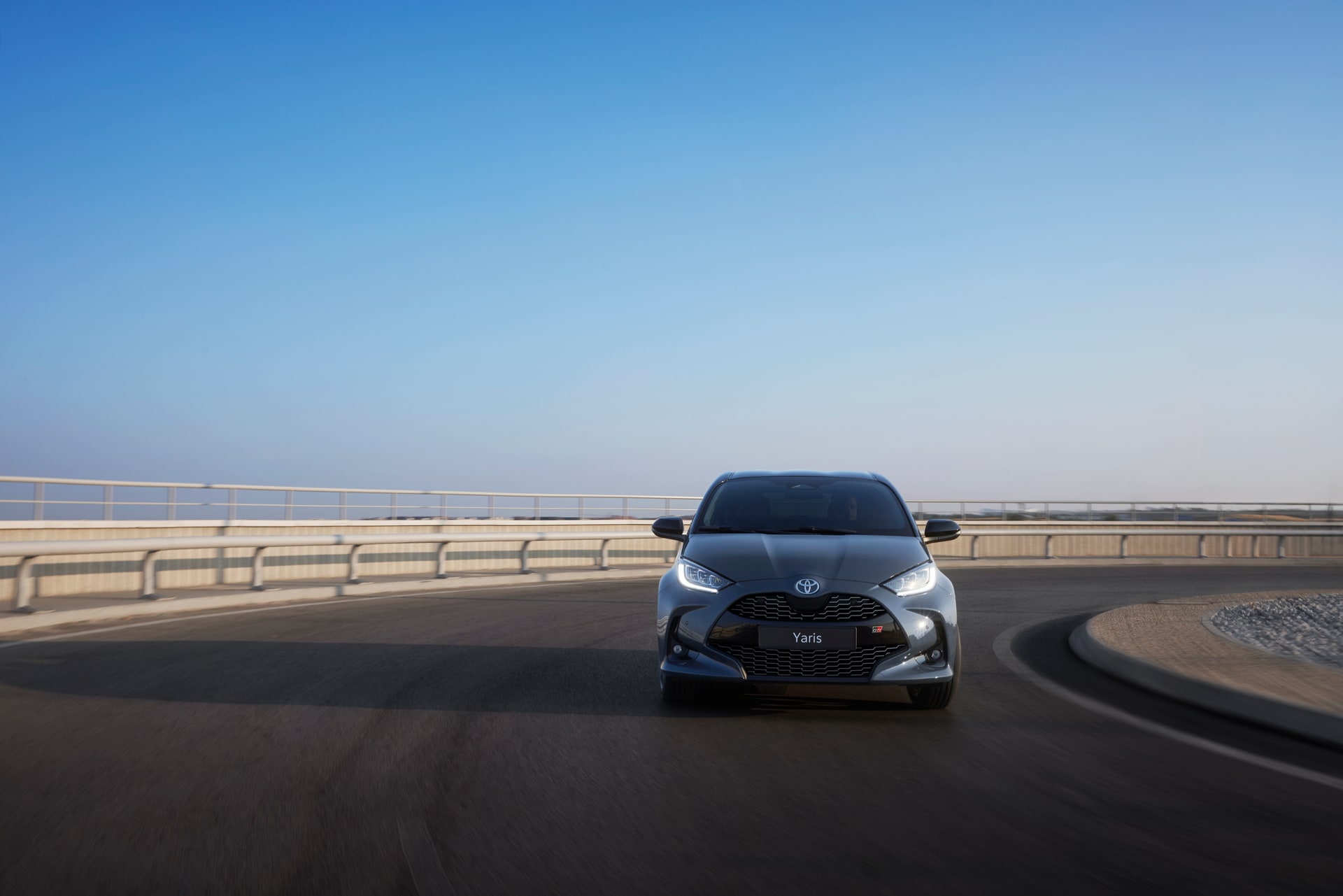
Analysis of the six best hybrid SUVs under or around 30,000 euros in Spain, with WLTP data, DGT labels and real dealer prices.
The segment of hybrid SUVs under or around 30,000 euros is experiencing its most interesting moment in 2026. The regulatory pressure from ZBE low-emission zones, the rising cost of diesel and the technological maturity of the full hybrid have pushed mainstream manufacturers to refine their urban offerings: more efficient Atkinson engines, better-managed batteries and ECO labels that open the doors to the centre of any Spanish city without hassle.
This guide filters the national market using three clear criteria: final price below 30,000 €, WLTP consumption kept low on the combined cycle and dimensions suited to dense traffic. No promises: only models you can configure at a Spanish dealership today.
Why a hybrid SUV makes sense in the city in 2026
The full hybrid (HEV) remains the most rational solution for anyone who cannot charge at home. In urban driving—starts, braking, traffic lights—the system constantly regenerates energy and the electric motor handles up to 60 % of the time spent at low speeds. In practical terms: real-world consumption between 4.5 and 5.5 l/100 km in town, a ECO DGT label and guaranteed access to Madrid Central, Barcelona’s ZBE or the restricted zones of Seville, Valencia and Bilbao.
Compared with the PHEV, the HEV avoids dependence on the plug and keeps prices contained. Compared with a pure electric car, it eliminates range anxiety for anyone driving 30–40 km a day without a private charging point.
Toyota Yaris Cross — from 27,775 €
The benchmark of the segment. Toyota’s fourth-generation hybrid system combines a three-cylinder 1.5 engine with an electric motor to deliver a combined 116 CV. In the city is where it shines: the car runs in electric mode for most short journeys, and the e-CVT gearbox eliminates any jerkiness. ECO label, proven reliability and an unbeatable after-sales network.
| Power kW | Power CV | Top speed | Range | Consumption | Label | Fuel |
|---|---|---|---|---|---|---|
| 95 kW | 130 CV | 170 km/h | ~850 km | 4.4 l/100 km | ECO | Hybrid |
Hyundai Kona Hybrid — from 27,540 €
The second-generation Kona Hybrid opts for a futuristic design and a cabin that is technologically superior to the segment average. Its 141 CV hybrid system with a six-speed DCT gearbox offers a more conventional driving experience than Toyota’s, with more mechanical responses and excellent urban consumption. Five-year warranty with no mileage limit.
| Power kW | Power CV | Top speed | Range | Consumption | Label | Fuel |
|---|---|---|---|---|---|---|
| 101 kW | 138 CV | 165 km/h | ~900 km | 4.6 l/100 km | ECO | Hybrid |
Renault Captur E-Tech Full Hybrid — from 27,075 €
The E-Tech system, with its dog-box gearbox without a conventional clutch, is a small engineering masterpiece. It always starts in electric mode and, in pure urban use, Renault claims it runs in zero-emission mode up to 80 % of the time. 145 CV combined, a modular boot with a sliding rear bench and very well-resolved equipment in mid-range trims.
| Power kW | Power CV | Top speed | Range | Consumption | Label | Fuel |
|---|---|---|---|---|---|---|
| 117 kW | 160 CV | 180 km/h | ~880 km | 4.3 l/100 km | ECO | Hybrid |
Nissan Juke Hybrid — from 25,050 €
It shares its platform and technology with the Captur, but Nissan applies a different tuning: more direct steering, slightly firmer suspension and a design that remains the most striking in the B-SUV segment. The 143 CV hybrid system alternates electric and combustion power with notable agility, ideal for urban zigzagging.
| Power kW | Power CV | Top speed | Range | Consumption | Label | Fuel |
|---|---|---|---|---|---|---|
| 106 kW | 145 CV | 166 km/h | ~850 km | 4.7 l/100 km | ECO | Hybrid |
Honda HR-V e:HEV — from 31,460 €
Honda’s e:HEV system deserves its own section: in reality it works like an extended-range electric car, where the petrol engine acts most of the time as a generator. The result: instant responses, silence in the city and urban consumption that comfortably stays below 5 l/100 km. Impeccably finished cabin and the iconic Magic Seats.
| Power kW | Power CV | Top speed | Range | Consumption | Label | Fuel |
|---|---|---|---|---|---|---|
| 96 kW | 131 CV | 170 km/h | ~820 km | 5.4 l/100 km | ECO | Hybrid |
Kia Niro Hybrid — from 22,940 €
It sits close to the budget ceiling but comfortably fits within the entry-level trims. The Niro Hybrid is probably the most balanced hybrid SUV on the market: C-SUV dimensions, docile handling, 141 CV with DCT and outstanding urban efficiency. Seven years of warranty and an interior with recycled materials that ages very well.
| Power kW | Power CV | Top speed | Range | Consumption | Label | Fuel |
|---|---|---|---|---|---|---|
| 101 kW | 138 CV | 165 km/h | ~950 km | 4.5 l/100 km | ECO | Hybrid |
Summary table and comparative ranking
Weighted score (1–10) considering urban consumption, power, range, equipment and price/performance ratio.
| Model | Price from | CV | WLTP consumption | Label | Score |
|---|---|---|---|---|---|
| Toyota Yaris Cross | 27,775 € | 130 | 4.4 l | ECO | 9.2 |
| Kia Niro Hybrid | 22,940 € | 138 | 4.5 l | ECO | 9.0 |
| Hyundai Kona Hybrid | 27,540 € | 138 | 4.6 l | ECO | 8.8 |
| Renault Captur E-Tech | 27,075 € | 160 | 4.3 l | ECO | 8.6 |
| Honda HR-V e:HEV | 31,460 € | 131 | 5.4 l | ECO | 8.4 |
| Nissan Juke Hybrid | 25,050 € | 145 | 4.7 l | ECO | 8.3 |
Frequently asked questions
Which hybrid SUV consumes the least in the city?
The Toyota Yaris Cross and the Kia Niro Hybrid tie for the top spot with 4.4 l/100 km WLTP. In real urban driving, both can drop below 4 l/100 km thanks to constant regeneration.
Do they all have the DGT ECO label?
Yes. All six models analysed are full hybrids (HEV) approved with the ECO label, which allows them to drive through all Spanish ZBEs, including Madrid 360 and Barcelona’s.
Is a hybrid worth it over a PHEV for urban use?
If you do not have a private charging point, the HEV is more economically efficient: lower purchase price, similar maintenance and urban consumption practically equivalent to that of the PHEV when the latter runs with a depleted battery.
What is the best option if I prioritise long-term reliability?
Toyota leads reliability statistics for hybrid systems with more than 25 years of experience. Kia and Hyundai also offer 7- and 5-year warranties respectively, providing additional peace of mind about the hybrid battery.


 The seven finalists for the 2027 European Car of the Year (COTY) are exclusively electric
 Peugeot E-208 GTi: a battery-powered toy that revives the spirit of the 1980s sports cars
 New Lexus ES: luxury grows and goes electric
Deja un comentario