Trends 2026: Design and technology in hybrids with efficient range
 Carlos Romero
11 March 2026
7 min.
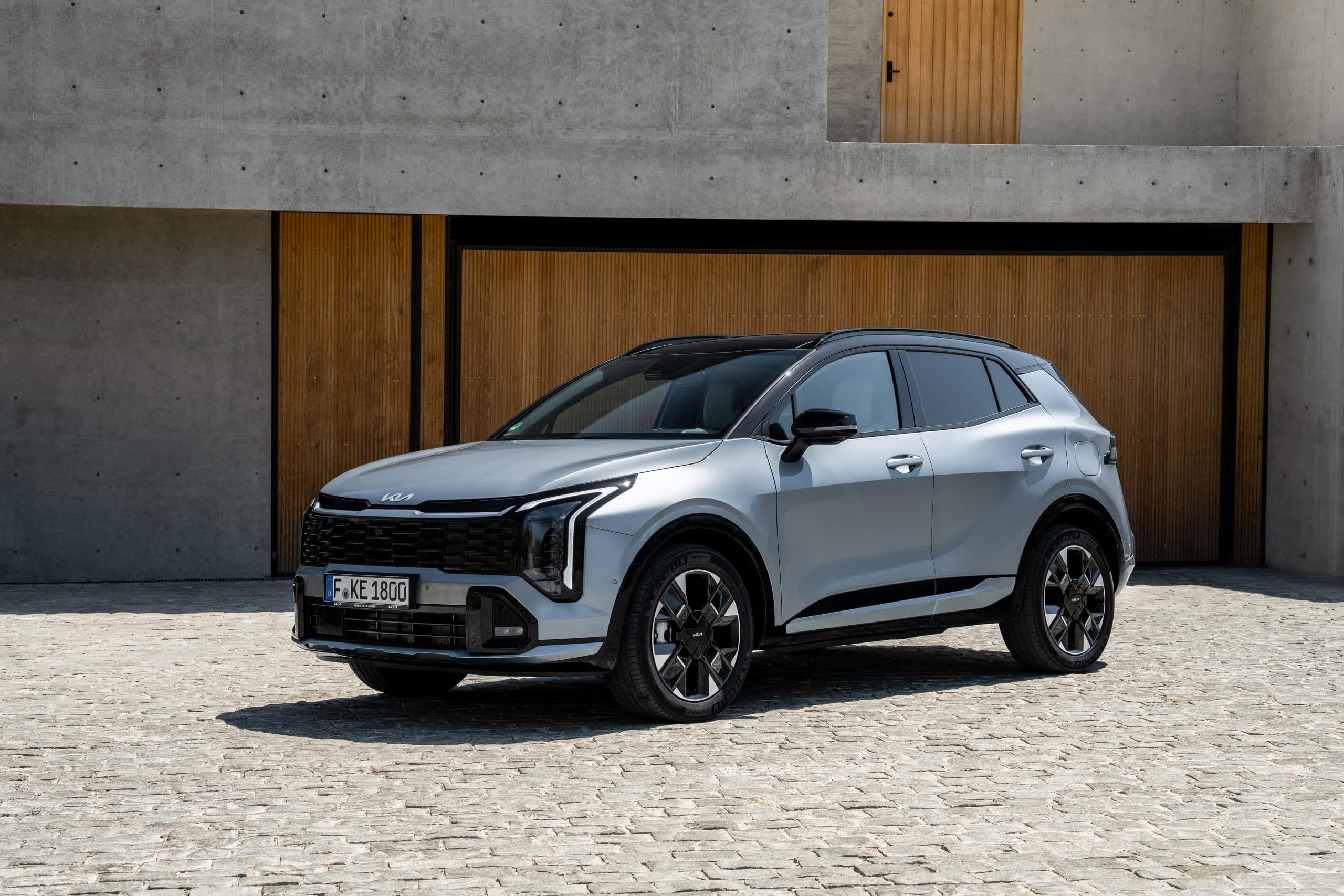
The hybrid market for 2026 reflects a practical transition: greater electric efficiency on daily journeys and modularity for long trips. Battery improvements and optimised energy management have narrowed the gap between homologated range and real-world range, and the integration of software that manages charging and regeneration defines everyday use. Real-world range differs from the figure declared under mixed use. Charging planning determines its daily usefulness. These factors raise doubts about which model to choose according to driving habits and budget.
This buying guide is for…
This vehicle makes sense for drivers who combine everyday urban journeys with regular road trips and want to reduce consumption without relying exclusively on public charging points. It is suitable for families who need a practical boot and for professionals who make routes with short stops. It is not the best option for those who only plan long daily distances without any possibility of intermediate charging, or for users who prioritise extreme sporting performance over efficiency.
Common options within the segment
In 2026 there are approaches focused on full hybrids (HEV), plug-in hybrids (PHEV) with greater electric range and mild hybrid variants (MHEV) that reduce consumption. PHEVs offer real electric range sufficient for most urban journeys, but add weight and cost; HEVs are lighter and reliable under mixed use, although they depend on the combustion engine on long stretches. Manufacturers balance design and aerodynamics to improve range without sacrificing interior space.
Key criteria for choosing well
Realistic versus homologated range: check consumption under mixed conditions, not just the WLTP cycle. Power and charging speed: for PHEVs, the on-board charger’s power determines home and destination charging. Stability and comfort on the road: the additional weight of batteries affects suspension and steering tuning. Genuinely useful technology: battery management systems, driving modes and assistance systems that optimise electric use matter more than the length of the list of gadgets. Total cost: add up price, maintenance, real consumption and depreciation over several years.
It depends on how you drive
If you are an urban driver with short daily trips, a PHEV with 50 real electric km can cover most of your needs and minimise consumption. If you make many intercity trips without frequent charging, an HEV with better thermal management will be more practical. The climate affects things: in winter electric range drops and batteries with better thermal systems are advisable. Those who value comfort will opt for suspensions tuned for additional load; those who drive aggressively will sacrifice efficiency.
Real price: what you should know
The “from” price indicates the basic version without extras; the trim level and technology packs significantly influence the final price. Financed prices often include interest and may seem lower monthly, but the total cost increases. Battery equipment and driving aids usually raise the RRP considerably. You should check whether the “from” price includes mandatory accessories or requires financing to access promotions; this is how the real cost of purchase and use is correctly interpreted.
Reference models on the market
Hyundai Tucson (from €34,900*)
Versatile approach: compact SUV with HEV and PHEV variants seeking a balance between daily efficiency and reasonable road performance. It suits families who require interior space and useful electric range in urban settings.
Best points
Optimised energy management and good interior space; PHEV options with practical home charging.
Areas for improvement
Additional weight in plug-in versions that can be noticed in dynamic response and consumption on sustained journeys.
Kia Sportage (from €33,500*)
Design oriented to comfort and efficiency, with a hybrid engine and plug-in options aimed at reducing consumption in mixed cycles and offering a refined driving experience.
Best points
Suspension tuning and interior comfort designed for family use, with assistance systems useful in the city.
Areas for improvement
Electric range in PHEV versions can be limited if not charged regularly.
Toyota RAV4 Hybrid (from €38,200*)
Traditional hybrid approach with emphasis on overall efficiency and reliability; the hybrid architecture delivers moderate consumption under mixed use and good after-sales service availability.
Best points
Moderate real consumption and a long track record of reliability in hybrid systems.
Areas for improvement
Interior design less focused on the latest connectivity and lower electric range in the city compared with PHEVs.
Ford Kuga PHEV (from €40,300*)
Approach more oriented to everyday electric mobility, with electric range above the segment average and good battery charging capacity.
Best points
Notable electric range in urban cycles for daily journeys without combustion consumption.
Areas for improvement
Weight and purchase cost above some competitors; greater attention required to the initial investment.
Mitsubishi Outlander PHEV (from €43,900*)
Practical proposal for those seeking traction and capacity with a notable electric option; it suits families who require space and moderate towing capacity.
Best points
Combination of traction and useful electric range for mixed journeys and varied terrain.
Areas for improvement
Internal technologies and connectivity that are starting to lag behind more recent competitors.
Purchase aid in 2026: Plan Auto+ and tax benefits
The 2026 Plan Auto+ replaces previous programmes and establishes a new system of direct aid for buying electrified vehicles in Spain. The initiative seeks to prioritise electrification consistent with industrial and economic criteria.
Main amounts of the 2026 Plan Auto+
- Direct aid of up to €4,500 for electric passenger cars.
- Up to €5,000 for light vans in category N1.
- Retroactive effect from 1 January 2026.
- Approximate budget allocation of €400 million.
Who can benefit and priority criteria
Beneficiaries: private individuals, self-employed workers and companies. The EEE criterion (Electric, Economic and European) applies, with greater incentives for BEVs compared with PHEVs. Vehicles priced below €35,000 receive higher aid; those between €35,000 and €45,000 qualify for reduced aid. Final assembly in the EU or EU-origin batteries are prioritised to maximise the amount.
Additional requirements and tax advantages
The plan requires a mandatory minimum discount of €1,000 from the dealer. There is a 15% deduction on income tax (IRPF) up to a maximum of €3,000. The tax validity of these deductions is set until 31 December 2026.
Management and possible regional aid
Management is coordinated by the Ministry of Industry together with the Autonomous Communities. Complementary regional programmes may exist; for example, the Plan Cambia 360 in the Community of Madrid. As of the date of writing, it is not confirmed whether all regional aid is compatible with the 2026 Plan Auto+.
Common buying mistakes
Buying based solely on homologated range without considering real use. Not considering total cost (financing, maintenance, consumption). Neglecting home charging capacity or the limitations of the on-board charger. Choosing the most highly equipped version without assessing whether the features are truly useful for everyday use. Forgetting to check mandatory dealer discounts linked to public aid.
With the information on trends, criteria and reference models, the reader can prioritise according to their profile and budget; the logical next step is to review updated analyses and detailed comparisons to decide between the versions and equipment that best suit their needs.


 Peugeot E-208 GTi: a battery-powered toy that revives the spirit of the 1980s sports cars
 New Lexus ES: luxury grows and goes electric
 First contact with the Dacia Sandero Hybrid 155: power and efficiency from €19,890
Deja un comentario