Hybrid Cars Comparisons Family SUV
Volvo XC60 vs. BMW X3: which is the most complete premium hybrid family SUV?
 Dani Montesinos
3 June 2026
5 min.
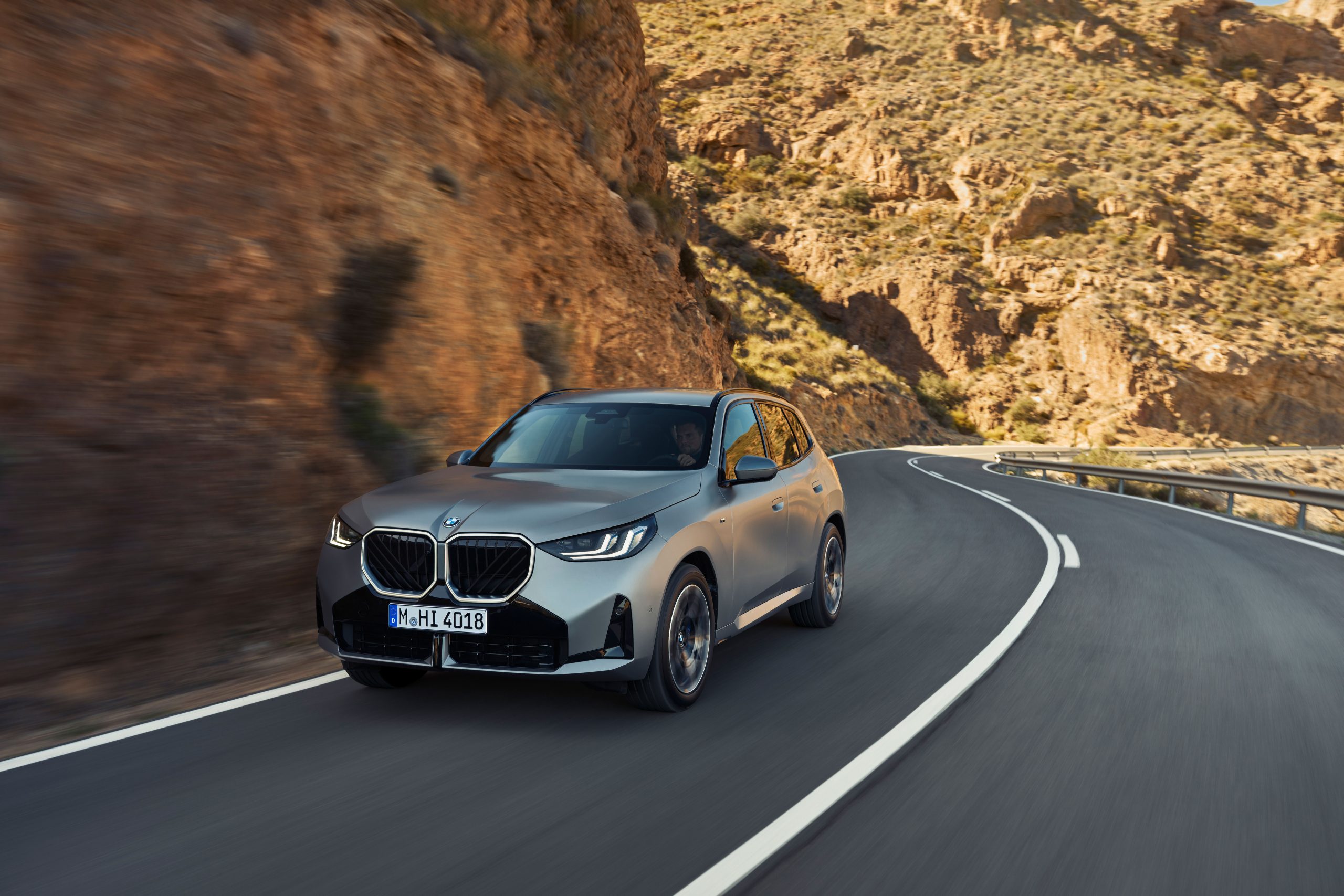
We compare the Volvo XC60 B5 MHEV and the new BMW X3 20i xDrive to find out which premium hybrid family SUV best suits the Spanish buyer in 2024.
The premium hybrid family SUV segment has become the true battlefield of European carmaking. Two clear benchmarks lead the conversation in Spain: the Volvo XC60 B5 MHEV and the recently redesigned BMW X3 20i xDrive. One favours Scandinavian comfort, active safety and a more robust powertrain; the other offers Bavarian dynamism and a more refined electrification. This comparison Volvo XC60 BMW X3 breaks down both contenders with verifiable data and opposing brand philosophies.
Why compare the Volvo XC60 and the BMW X3 in 2024
Both models share the same target customer: affluent families looking for a mid-size premium hybrid family SUV with ECO label, all-wheel drive and contained consumption without giving up performance. The XC60 has been the best-selling Volvo in Europe for years, while the new X3 represents the most ambitious generational leap for the Munich SUV in a decade.
Brand philosophy: Scandinavian comfort versus Bavarian sportiness
Volvo builds the XC60 around the concept of onboard well-being: premium materials, segment-leading seats, relaxed driving and an active safety package that continues to set the standard. BMW, meanwhile, positions the X3 as a Sports Activity Vehicle true to its DNA: more direct steering, carefully balanced weight distribution and a dynamic response reminiscent of the brand’s saloons.
Volvo XC60 B5 MHEV (from €56,850)
The Volvo XC60 B5 hybrid uses a 2.0-litre turbocharged four-cylinder petrol engine assisted by a 48 V mild hybrid system delivering around 250 CV, with standard permanent AWD in the Essential trim. It is the more powerful option and, at the same time, the more affordable of the two.
| Power kW | Power CV | Top speed | Range | Consumption | Label | Fuel |
|---|---|---|---|---|---|---|
| 180 kW | 250 CV | 180 km/h | Around 900 km | 7.5 l/100 km | ECO | Hybrid (petrol/electric) |
B5 mechanics and their impact on real consumption
The MHEV system recovers energy during braking and deceleration, feeding a motor-generator that assists during take-off and smooths the start/stop function. In real mixed use it sits between 7.5 and 8.5 l/100 km, a reasonable figure for an SUV of almost 1,900 kg with permanent all-wheel drive.
Space, boot and family life on board
At 4.71 metres long and with a boot of around 483 litres, the XC60 offers generous rear seats, full-width ISOFIX anchorages for child seats and a level of acoustic insulation that remains a benchmark.
Volvo safety: the same old argument
Pilot Assist, autonomous emergency braking in urban and interurban settings, cyclist and pedestrian detection, and seatbelt airbags for the rear seats as standard. Volvo maintains its safety philosophy without compromise, even at entry level.
BMW X3BMW X3 20i xDrive (from €65,850)
The new BMW X3 20i xDrive hybrid debuts the seventh generation with a 2.0-litre turbocharged petrol engine producing 208 CV, supported by a 48 V mild hybrid system with an electric motor integrated into the Steptronic gearbox. xDrive all-wheel drive is standard.
| Power kW | Power CV | Top speed | Range | Consumption | Label | Fuel |
|---|---|---|---|---|---|---|
| 153 kW | 208 CV | 220 km/h | Around 950 km | 7.0 l/100 km | ECO | Hybrid (petrol/electric) |
48 V mild hybrid system
Unlike the XC60, the X3 integrates the electric motor directly into the transmission, providing a small torque boost (up to around 18 additional CV) that improves low-rev response and smooths gear changes.
Driving dynamics and chassis
Carefully balanced weight distribution, optional adaptive suspension and steering that is more communicative than the Volvo’s. It is clearly the more enjoyable SUV to drive on winding roads.
iDrive technology and learning curve
Curved screen with QuickSelect, conversational assistant and a new electrical architecture. Brilliant, although it requires a few days of adaptation.
Head-to-head comparison: price, consumption and emissions
The Volvo XC60 starts from €56,850, while the BMW X3 20i xDrive starts from €65,850. These are the manufacturer’s recommended retail prices, excluding dealer discounts, commercial campaigns or current incentives. The BMW consumes slightly less on paper, but the Volvo delivers 42 more CV for less money.
Summary table: best premium hybrid SUV 2024
| Model | CV | Consumption | Price from | Comfort | Dynamics | Technology | Value for money | Overall score |
|---|---|---|---|---|---|---|---|---|
| Volvo XC60 B5 AWD | 250 | 7.5 l/100 | €56,850 | 9 | 7.5 | 8 | 9 | 8.4 |
| BMW X3 20i xDrive | 208 | 7.0 l/100 | €65,850 | 8 | 9 | 9 | 7.5 | 8.3 |
Verdict: which is the most complete premium hybrid family SUV?
In the Volvo XC60 vs BMW X3 contest, the verdict depends on the buyer’s profile. The XC60 wins on comfort, standard safety equipment, power and price: it is the most balanced premium family SUV for those who prioritise onboard well-being. The X3 excels in dynamics, infotainment technology and homologated efficiency, and will be the logical choice for those who enjoy driving. For completeness and price, the Volvo takes the victory by a narrow margin.
Frequently asked questions
Which hybrid SUV has better real-world consumption, the Volvo XC60 or the BMW X3?
The BMW X3 20i xDrive is homologated at around 7.0 l/100 km versus the Volvo’s 7.5. In real use the difference stays at around 0.5–1 l/100 km in favour of the BMW, thanks to its more restrained engine and more efficient electrical integration.
Which offers better value for money in 2024?
The Volvo XC60 B5 AWD, with an indicative RRP from around €56,850, delivers 250 CV and all-wheel drive for roughly €9,000 less than the 208 CV BMW X3 20i xDrive.
Do both carry the DGT ECO label?
Yes. Both are 48 V mild hybrids with the ECO label, which grants access to Low Emission Zones and tax benefits in several cities.
Which is more recommendable for everyday family use?
The Volvo XC60, for its ride comfort, more comfortable rear seats, segment-benchmark seats and the most complete standard active safety package on the market.


 Peugeot E-208 GTi: a battery-powered toy that revives the spirit of the 1980s sports cars
 New Lexus ES: luxury grows and goes electric
 First contact with the Dacia Sandero Hybrid 155: power and efficiency from €19,890
Deja un comentario