What are educational radars and how do they work?
 Mónica Redondo @MonicaRedondoD
9 August 2022
2 min.
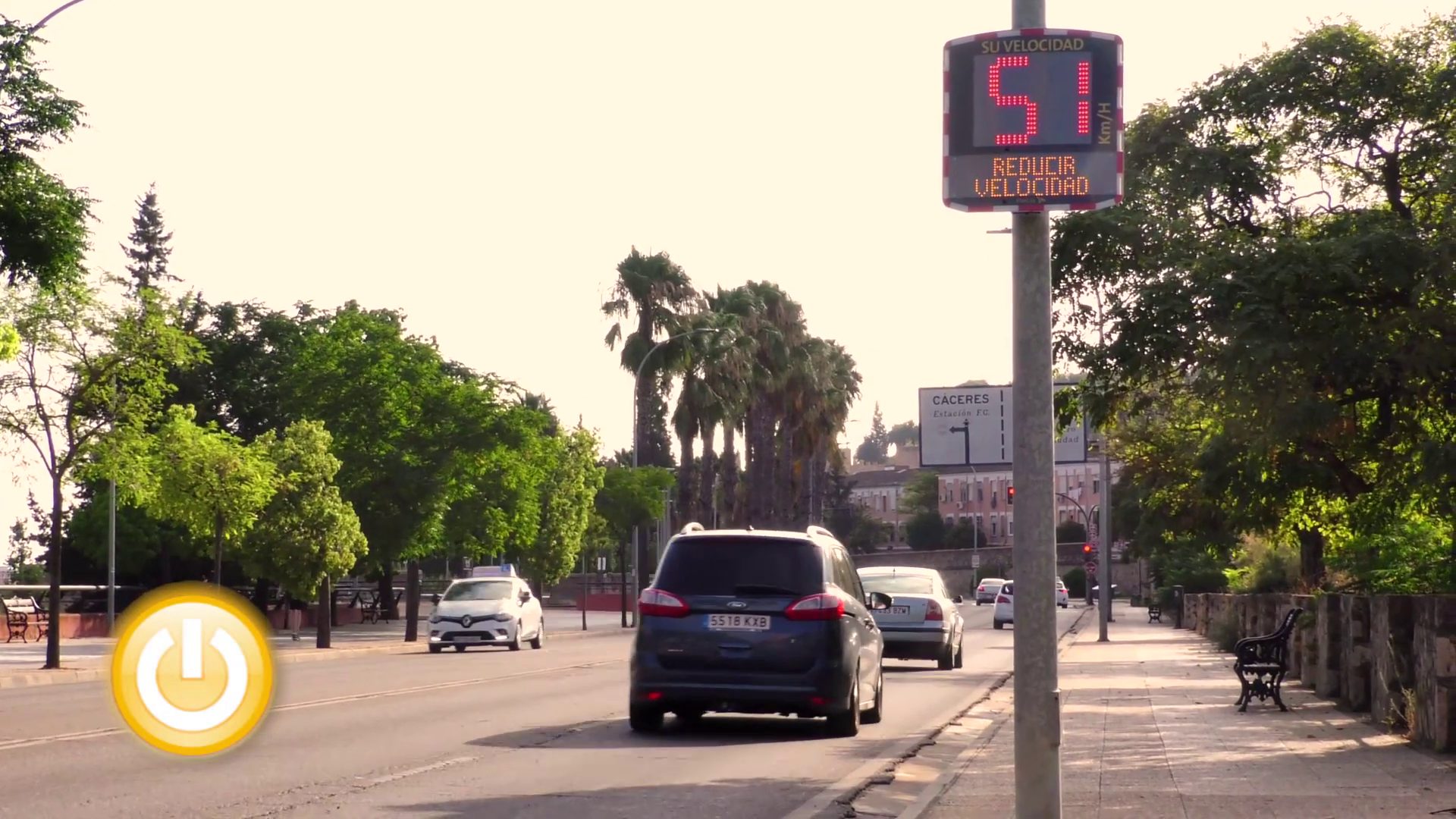
Do you know what educational radars are and how they work? We tell you.
Do you know what educational radars are and how they work? These devices measure speed and are located at numerous points across Spain. This type of radar is usually installed in municipalities and cities, since the town councils themselves manage them, and in some cases the Directorate General of Traffic (DGT) does too. They are usually placed in key areas, show drivers the speed at which they are travelling and, in some cases, ask them to reduce it.
However, it is important to note that educational radars are only an information panel which, for the time being, has no power to penalise drivers who exceed the speed limit on the road. What are educational radars and how do they work?
Educational radar, everything you need to know
Educational radars usually have an LED screen placed in an area with good visibility for drivers. They also have a speed-measuring device capable of monitoring the vehicle and showing a specific message on the display.
At times, these devices are temporarily placed in a particular area in order to gather traffic data. This information can feed into mobility decisions or even measure changes in the traffic volume of an area.
As mentioned, they are able to display the vehicle’s actual speed and various types of light signals or additional interfaces to show a warning message to the driver, ranging from a “Thank you” for respecting the road’s speed limit to a “Slow down”.
Some sources claim that these “devices appeal to civic morality, and with the help of visual graphics have shown that they can positively influence drivers’ behaviour. They also provide information to pedestrians in the area about the approaching vehicles”.
For now, educational radars cannot issue fines. Their only aim is to “educate” drivers, although there have been cases of speeding fines when a police car has observed the vehicle in front far exceeding the maximum speed limit shown on the display. In any case, these devices have proven effective at reducing speeding on many stretches, especially in urban areas and school zones, simply through a visual prompt.


 Peugeot E-208 GTi: a battery-powered toy that revives the spirit of the 1980s sports cars
 New Lexus ES: luxury grows and goes electric
 First contact with the Dacia Sandero Hybrid 155: power and efficiency from €19,890
Deja un comentario