Which hybrid car should I buy if I need long range?
 Dani Montesinos
25 February 2026
7 min.
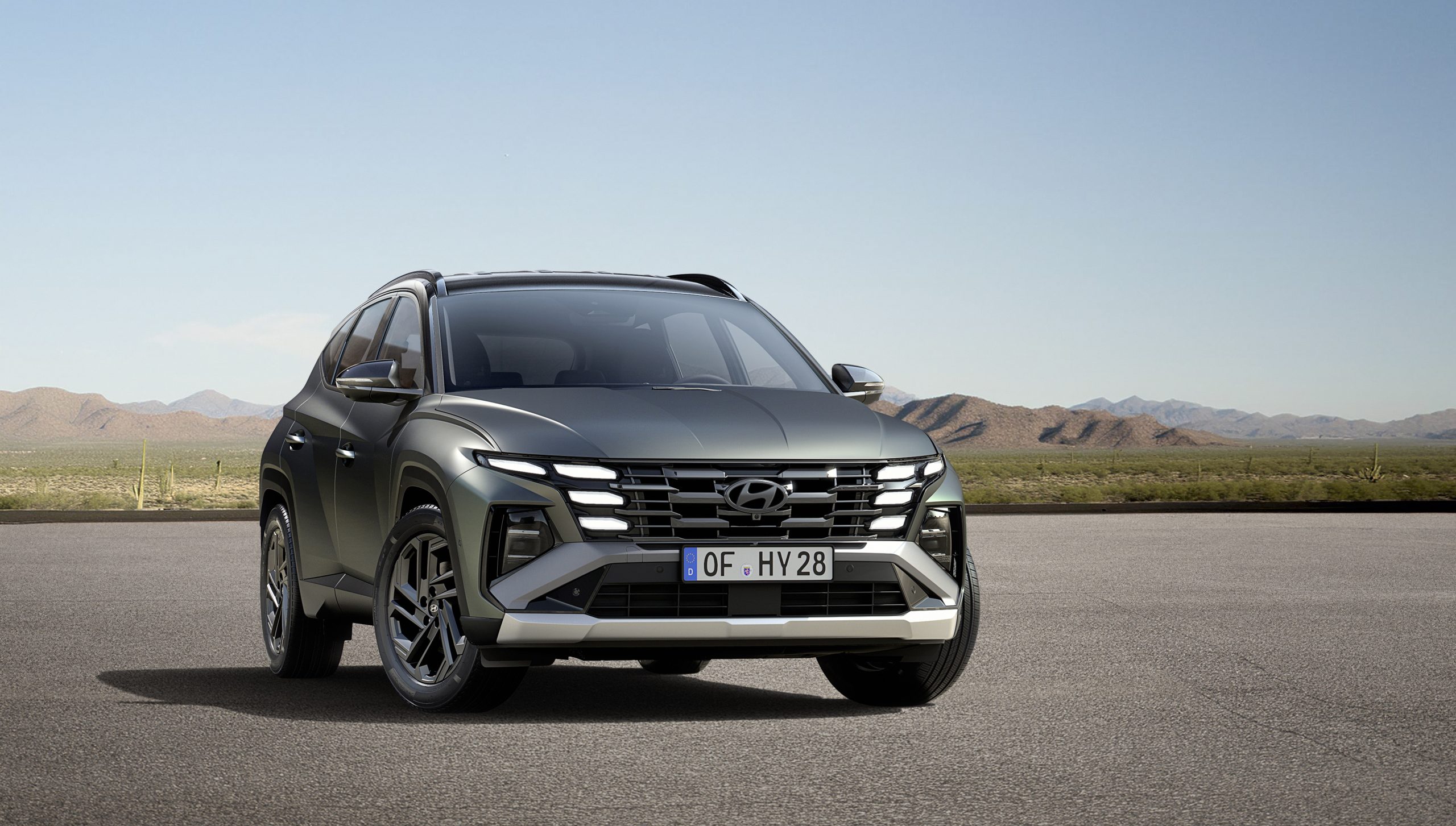
If you’re unsure which long-range hybrid to buy in 2026, here is a proposal with some models and the points you should keep in mind.
In 2026, choosing a long-range hybrid remains a practical decision for those who cover many kilometres and want to avoid depending on frequent charging stations. The market offers solutions that combine efficient combustion engines with optimised electric systems to maximise the distance covered between refuelling or partial recharging. Three criteria usually shape the purchase: real-world range in mixed use, consumption on the motorway, and ease of maintenance. These criteria make it possible to assess models that, while not pure electric, reduce stops and costs on long journeys while offering a driving experience consistent with everyday use.
This buying guide is for…
This guide is aimed at drivers who regularly travel long distances or cover many kilometres a year and want the peace of mind of a high range without depending exclusively on the charging network. It makes sense for self-employed workers, sales representatives and families who combine intercity trips with daily journeys. It is not the best choice for those who drive only a few kilometres a day and have continuous home charging: in that case a small BEV or a light hybrid may be more economical.
Common options within the segment
The segment offers three approaches: self-charging hybrids (HEV) that optimise consumption and avoid external charging; plug-in hybrids (PHEV) with batteries large enough for short trips in electric mode and combustion range for long journeys; and mixed solutions prioritising aerodynamic efficiency and battery thermal management. The trade-offs are usually the extra weight from the batteries, a higher purchase price compared with simple combustion models, and the need for some planning to make the most of the electric part in PHEVs.
Key criteria for choosing well
Realistic range versus homologated range: checking WLTP consumption figures is useful, but verifying consumption on the road and at sustained speeds is essential. Power and charging speed: for PHEVs, the maximum AC charging speed and the ability to recover range through regenerative braking matter. Stability and comfort on the road: weight management and suspension affect long journeys. Genuinely useful technology: adaptive driver assistance systems and battery thermal management that maintains range in cold climates. Total cost of purchase and use: include maintenance, consumption and residual value.
It depends on how you drive
If you drive at sustained speeds on motorways, prioritise models with good aerodynamics and an efficient combustion engine for long refuelling intervals. If you alternate between city and long trips, a PHEV can reduce consumption by combining urban electric driving with combustion range on the road. In cold weather, the electric range of a PHEV drops; HEV solutions are less sensitive to temperature. Your practical profile also matters: availability of a plug at home, charging habits and boot capacity.
Real price: what you should know
The advertised “from” price usually corresponds to a base version with limited equipment; the financed price includes interest and can reduce the initial instalment but increase the total cost. Equipment and options (safety packs, large alloy wheels) significantly affect the final figure. Treat the “from” price as an entry point: the final cost can rise by between 10% and 25% depending on options. In addition, the type of powertrain (HEV vs PHEV) and the batteries influence insurance premiums and medium-term maintenance.
Reference models on the market
Hyundai Tucson Hybrid (from €33,900*)
An approach focused on balancing comfort and efficiency. The Tucson Hybrid offers practical range for long journeys by combining an efficient combustion engine with energy recovery, designed for users who want fewer stops without giving up a mid-size SUV.
Best points
Efficient thermal management and energy recovery that translates into moderate consumption on the road.
Areas for improvement
Additional weight that slightly penalises agility; some base versions require opting for packs to get complete driving assistance systems.
Kia Sportage Hybrid (from €32,900*)
Focus on comfort and equipment, with a hybrid powertrain that prioritises range in mixed use. It suits drivers who want a practical SUV with reasonable consumption on continuous journeys.
Best points
Ride comfort and a setup that favours efficiency on long stretches of road.
Areas for improvement
The boot is affected by the hybrid layout in some versions, and the price rises quickly with the higher trim levels.
Toyota RAV4 Hybrid (from €36,450*)
Designed to maximise real-world range by combining proven mechanics and well-judged consumption on the road. It is the classic choice for those who prioritise reliability and low consumption on intercity routes.
Best points
Proven efficiency and a wide service network that reduces long-term uncertainty.
Areas for improvement
The driving sensations are conservative, and the entry price can be higher than that of direct competitors.
Ford Kuga PHEV (from €37,500*)
A PHEV approach that allows electric driving in the city and offers combustion range for long journeys; designed for those who want to reduce urban consumption without losing flexibility on the road.
Best points
Electric capacity sufficient for daily trips and solid combustion range for intercity journeys.
Areas for improvement
The electric advantage decreases on sustained long routes, and energy recovery has limits on very demanding stretches.
Mitsubishi Outlander PHEV (from €35,990*)
Aimed at maximising versatility, it combines usable electric range for daily trips with a combustion system designed for long routes; it suits those who alternate between city driving and frequent journeys.
Best points
Good electric capacity for urban use and a robust approach for long distances.
Areas for improvement
The hybrid system adds weight, and the purchase cost is usually higher than comparable purely combustion versions.
Purchase grants
Purchase grants in 2026: Plan Auto+ and tax benefits
Main amounts of the Plan Auto+ 2026
– Direct grants of up to €4,500 for electric passenger cars.
– Up to €5,000 for light N1 category vans.
– Retroactive effect from 1 January 2026.
– Approximate budget allocation of €400 million.
Who can benefit and priority criteria
Beneficiaries: private individuals, self-employed workers and companies. The EEE criterion (Electric, Economic and European) is applied to prioritise vehicles with a greater electric component and EU origin. BEVs receive a larger incentive than PHEVs. Vehicles priced below €35,000 receive the maximum grant; between €35,000 and €45,000 the grant is reduced. Assembly or production of batteries in the EU is additionally incentivised.
Additional requirements and tax advantages
A mandatory minimum discount of €1,000 from the dealer. A 15% deduction in personal income tax up to a maximum of €3,000. Tax validity until 31 December 2026.
Management and possible regional grants
Management is coordinated by the Ministry of Industry together with the Autonomous Communities. Additional regional programmes may exist. Example: the Plan Cambia 360 in the Community of Madrid. At the time of writing, it is not officially confirmed whether these regional grants are compatible with the Plan Auto+ 2026.
Common buying mistakes
Buying based only on appearance without checking real-world range on usual journeys; relying exclusively on WLTP figures without sustained-speed consumption data; underestimating the impact of equipment on the final price; choosing a PHEV without regular access to charging, which reduces its efficiency; forgetting to compare the total cost of ownership instead of focusing only on the monthly instalment.
With these elements, the reader has a practical map for evaluating high-range hybrids: technical criteria, usage contexts and examples of models that suit different profiles. The logical next step is to consult up-to-date analyses and road tests to see how these models perform in real conditions and to check current prices and offers.


 Peugeot E-208 GTi: a battery-powered toy that revives the spirit of the 1980s sports cars
 New Lexus ES: luxury grows and goes electric
 First contact with the Dacia Sandero Hybrid 155: power and efficiency from €19,890
Deja un comentario