Why it's worth buying a diesel car
 Mónica Redondo @MonicaRedondoD
20 March 2019
3 min.
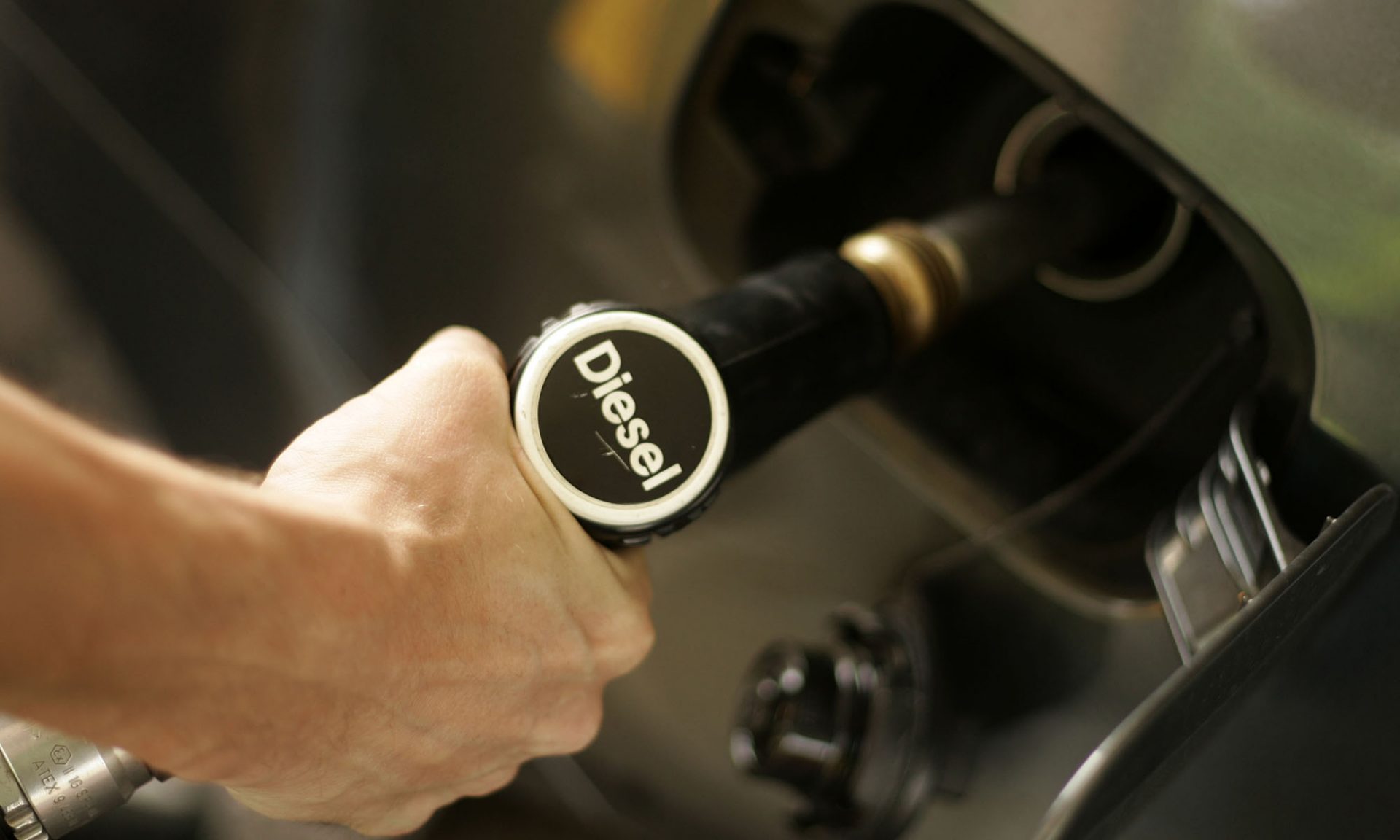
Fuel consumption, usage, dimensions and mileage are essential when buying a diesel car.
Over the past while, diesel has been losing interest among buyers, as many factors continuously contribute to the depreciation of this fuel. Why it’s worth buying a diesel car?
Although, according to ANFAC, diesel car sales have fallen from almost 42% in January 2018 to 28.9% in January 2019, it is worth considering this type of model.
Lower consumption on the road
When choosing a new car, it is essential to consider and calculate the mileage the vehicle will cover. This is important, since that figure will determine the most suitable purchase.
If the car is intended for covering long distances, a diesel car is the ideal choice. In this area, diesel’s performance is unbeatable in terms of consumption and range when it comes to refuelling with diesel rather than petrol.
Off-road driving
Many enthusiasts of 4×4 routes and off-road activities still favour diesel engines, as they have two key characteristics: torque and large engine capacities. In this type of driving, drivers make the most of the engine at low revs, something diesels deliver well.
As in the previous section, fuel savings in diesel cars are also essential, since the combination of weight and poor aerodynamics can mean having to visit the petrol station every so often.
Large vehicles
This group includes large vehicles: SUVs, executive saloons and even some cars with seating for up to seven to nine people. The smart purchase option is a diesel-powered model, since petrol versions offer very high consumption and in some cases are either limited to large-capacity engines or are simply not available on the market.
For example, the latest manufacturer to launch a diesel SUV without hesitation is Volkswagen with its new Volkswagen Touareg V8 TDI. One of the best SUVs of 2019 thanks not only to its 426 CV output but also to a brutal 900 Nm of torque, owing to its diesel fuel.
New diesels are not what they used to be
Modern diesel cars feature numerous anti-pollution systems such as the FAP, or particulate filter, and the exhaust gas recirculation valve (EGR). These engines are far removed from the highly polluting generations of the past, above all because of unburnt diesel particulates.
It is important to note that today many diesel models are just as clean as an equivalent petrol car. Furthermore, many of them carry the environmental label B.
In short, in 2019 diesels still have many miles ahead of them, especially on the open road, and although some manufacturers and/or administrations may aim to ‘kill it off’, no mobility option or fuel yet guarantees the minimum consumption and long range that diesel currently continues to offer.
The brands that have, for now, planned the end of production of diesel-powered cars are Toyota, Lexus, Porsche, Volvo and the FCA group made up of Alfa Romeo, Fiat, Jeep, Chrysler, Dodge, Abarth and Maserati, among others.
It is worth noting that, on the other hand, there are manufacturers that still continue to invest in developing new diesel cars. This is the case of the Renault-Nissan alliance, Mazda, Ford, Mercedes-Benz and the Volkswagen group made up of Volkswagen, Audi, Skoda and Seat.


 Peugeot E-208 GTi: a battery-powered toy that revives the spirit of the 1980s sports cars
 New Lexus ES: luxury grows and goes electric
 First contact with the Dacia Sandero Hybrid 155: power and efficiency from €19,890
Comentarios cerrados