10 tips for efficient driving and reducing fuel consumption
 David Lopez @espacionblanco
10 August 2017
3 min.
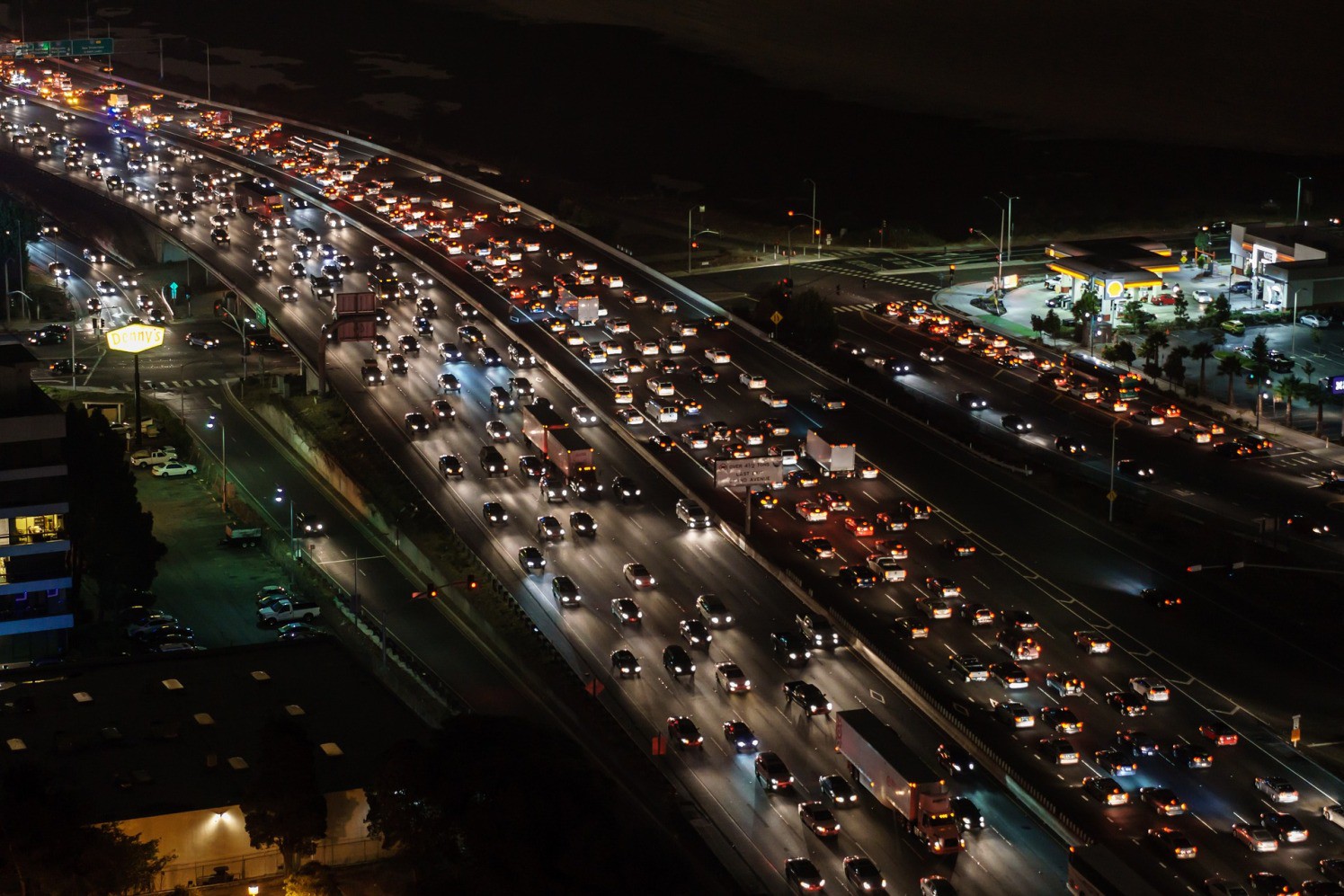
With these 10 tips we suggest, you can consume up to 15% less fuel, reducing emissions by the same percentage.
August has finally arrived, the month par excellence for going on holiday, which the vast majority of Spaniards choose to enjoy those well-deserved days of fun and relaxation at their chosen destination. With all this, we will approach mid-month, one of the bridge weekends with the most travel recorded in the year, when those returning from holiday coincide with those about to begin theirs.
That is why nobody is surprised anymore that, when it’s time to refuel, fuel prices have “surprisingly” gone up. To get through this situation in the least painful way for our wallets, it is necessary to learn a little about efficient driving, which will allow us to save up to 15% of fuel and reduce CO2 emissions by 15% as well.
Given these figures, it is reasonable that we try to change our driving habits in order to drive efficiently. To make these changes easier to implement, the DGT and the Institute for Energy Diversification and Saving (IDAE) have drawn up a decalogue for efficient driving that Nissan sums up for us in the following 10 tips:
- Starting and setting off: Do not press the accelerator when starting and begin moving straight after starting the engine, although if the engine has a turbo it is better to wait about 10 seconds before setting off.
- First gear: Use it only to start moving and shift to second gear after about 2 seconds or about 6 metres covered.
- Acceleration and gear changes: To achieve efficient driving with petrol engines, it is advisable to change gear between 2,000 and 2,500 rpm, while with diesel engines it should be done between 1,500 and 2,000 rpm.
- Use of gears: Whenever possible, drive in high gears at low revs, both on open roads and in town, although in town we must pay even more attention to speed limits when driving in high gears.
- Speed: Keep your speed as constant and even as possible, thus avoiding sudden braking and acceleration and unnecessary gear changes, something your brake pads and gearbox will also thank you for.
- Deceleration: Make use of engine braking by letting the car roll in the selected gear, brake smoothly with the pedal, and downshift as late as possible to avoid revs rising.
- Stopping: If the speed we are travelling at and the space available allow it, it is better to stop the car without downshifting beforehand.
- Stops: If we make long stops, of more than 60 seconds, it is better to switch off the engine, something that more and more cars now help us with through their Start/Stop systems.
- Anticipation and foresight: Keep a sufficient safety distance that allows us to see 2 or 3 vehicles ahead, so that if any setback arises, we have time to lift off the accelerator and anticipate the next manoeuvres.
- Safety: In general, by following the rules of efficient driving we will also increase safety, but in situations where efficient driving conflicts with safe driving, we must give priority to safety.


 Kia offers an electric range of 10 models, 50 versions and 400 possible combinations
 The seven finalists for the 2027 European Car of the Year (COTY) are exclusively electric
 Peugeot E-208 GTi: a battery-powered toy that revives the spirit of the 1980s sports cars
Deja un comentario