Clio Hyundai i20 Renault Suzuki Swift Toyota Yaris Hybrid Cars Rankings Urban
2026 ranking: the 5 hybrid city cars with the lowest real-world urban consumption under €25,000
 Dani Montesinos
27 November 2026
6 min.
We compare five efficient hybrid city cars sold in Spain for less than €25,000, with consumption, power and DGT environmental label data
Buying a hybrid city car in 2026 is no longer a rarity for enthusiasts. It is simply the option that makes the most sense for anyone who drives in the city every day and wants to stop looking at the price at the pump with resignation. The problem is that not all hybrids consume the same in urban traffic, and the differences between a full HEV and a simple 48V mild hybrid are noticeable, and very much so, at the red light and when pulling away in first gear.
We have reviewed five hybrid city cars on sale in Spain, all priced below €22,000 RRP, ordered from lowest to highest real-world urban consumption. This is not a laboratory ranking: it seeks to reflect what happens when the car moves at low speed, constantly braking and accelerating, which is exactly where a self-charging hybrid gains an advantage over a mild hybrid.
How we drew up this ranking
The criteria have been simple, but demanding: homologated urban consumption (WLTP, low/medium phase), entry-level RRP below €22,000, type of hybridisation — HEV versus MHEV — and current DGT label. We have not mixed high-end versions with inflated prices; each model appears in its entry-level trim or the closest one to it. For those who want to delve deeper into the buying criteria, we already discussed this in our guide on how to choose an urban hybrid city car in 2026 for less than €25,000.
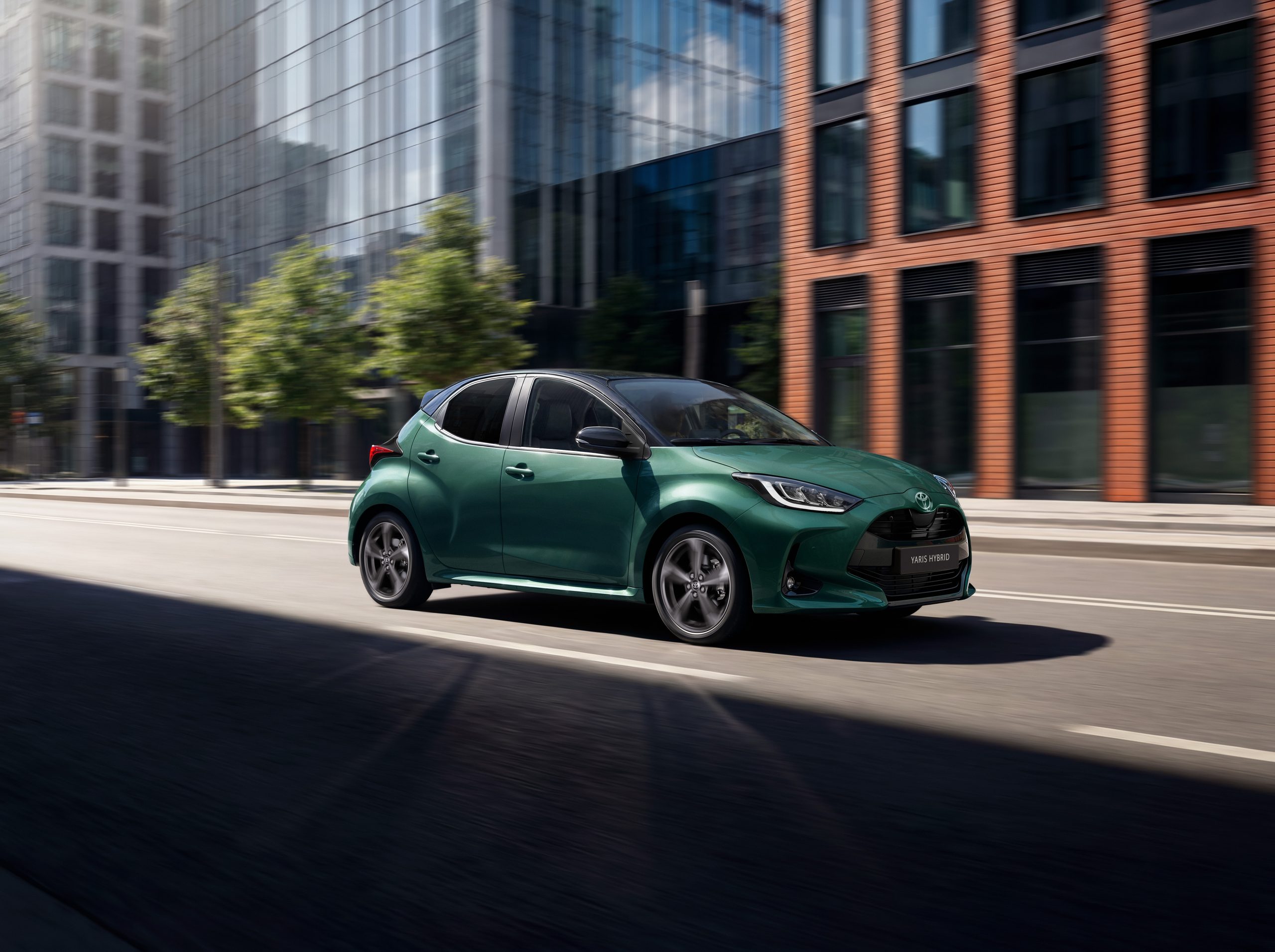
1. Toyota Yaris HEV — from €24,825
The Yaris remains the benchmark. Its fourth-generation full hybrid system allows it to run in pure electric mode up to 80% of the time in dense urban traffic, something no mild hybrid on the market can match. In our view, it remains the most complete hybrid city car below €20,000, although its 286-litre boot is not the most generous in the segment.
| Power (kW) | Power (CV) | Urban consumption | Label | Fuel |
|---|---|---|---|---|
| 85 kW | 116 CV | 3.3 l/100 km | ECO | Hybrid (HEV) |
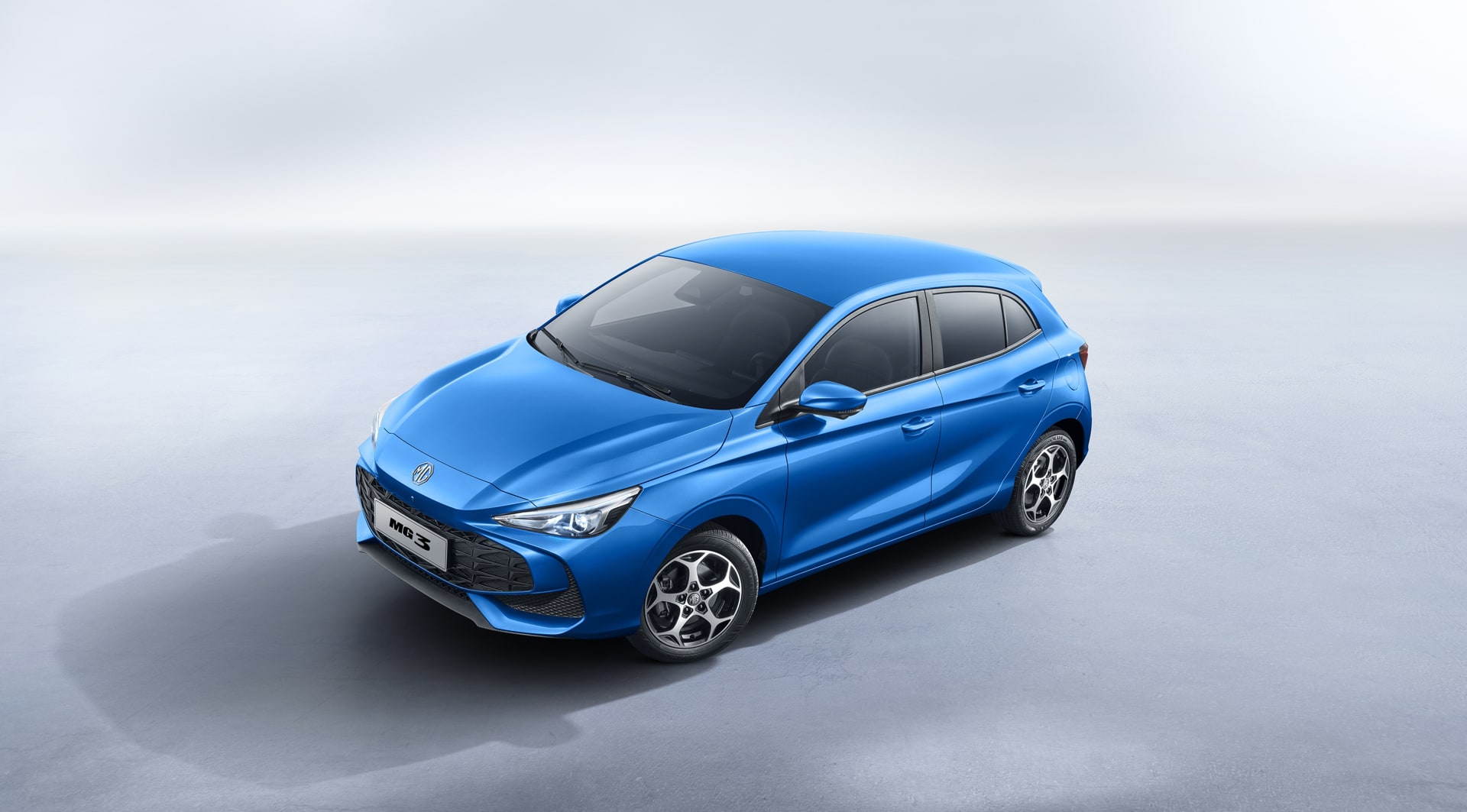
2. MG3 Hybrid+ — from €20,340
The MG3 Hybrid+ has entered the segment strongly with a 1.5-litre full hybrid system that, on paper, competes directly with the Yaris. In practice, urban consumption is slightly higher, but standard equipment — a 10.25-inch screen, seven years of warranty — offsets that difference for many buyers. The feel of the interior materials does not fully convince us, though, somewhat below what Toyota offers.
| Power (kW) | Power (CV) | Urban consumption | Label | Fuel |
|---|---|---|---|---|
| 143 kW | 195 CV | 3.8 l/100 km | ECO | Hybrid (HEV) |
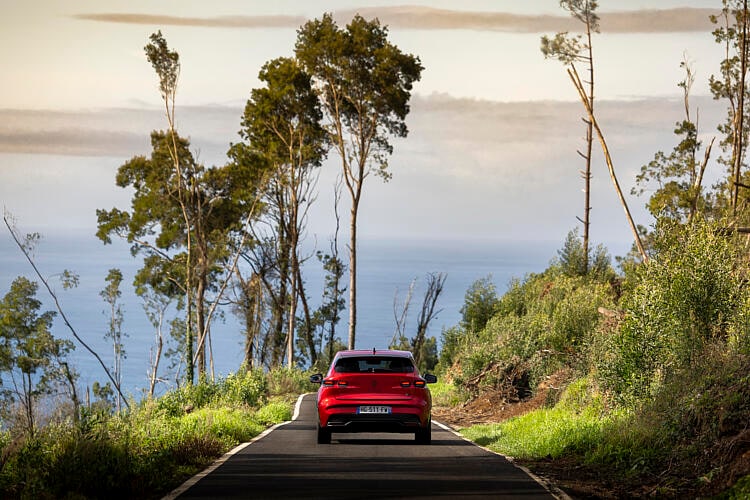
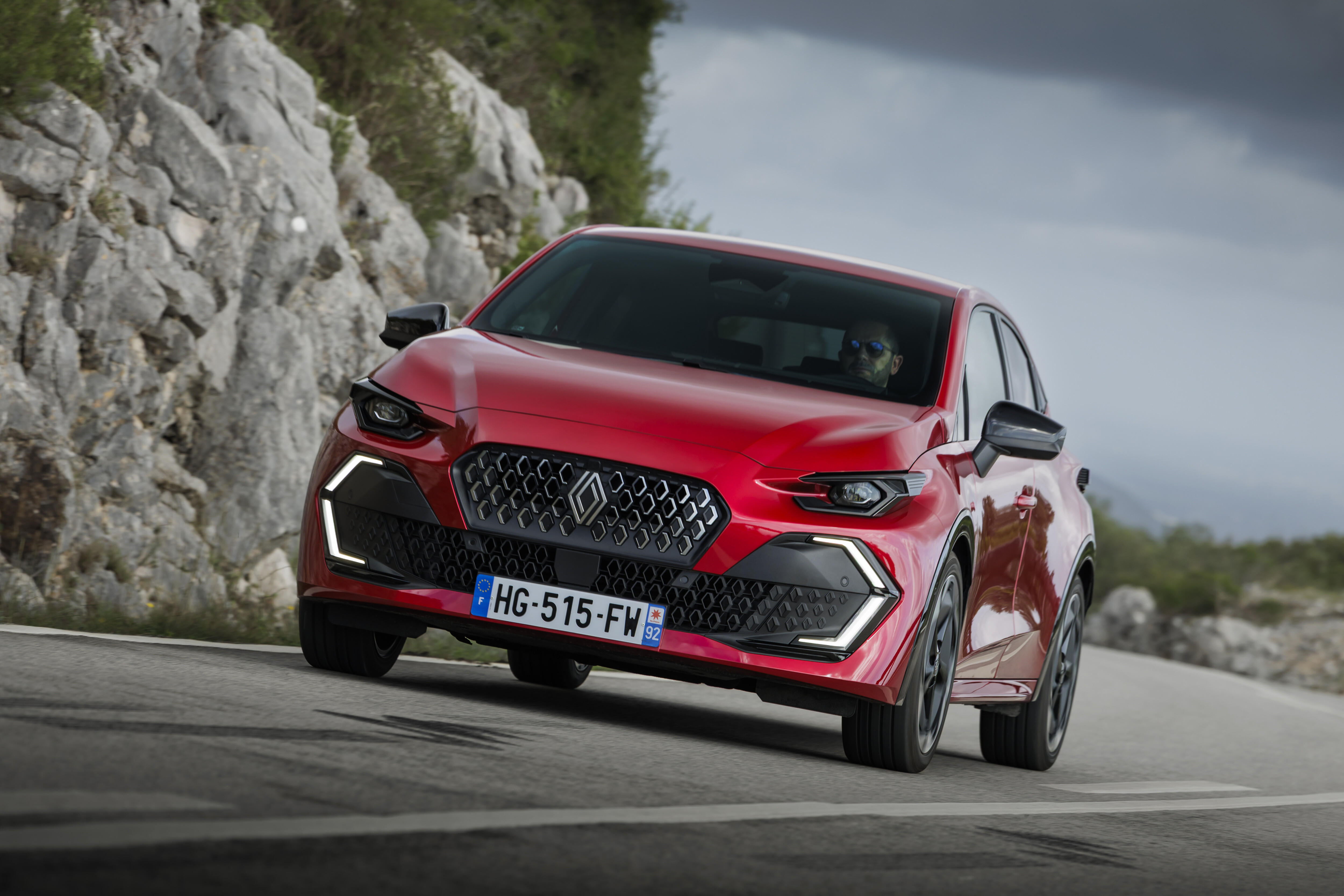
3. Renault Clio E-Tech full hybrid — from €22,719
The Clio E-Tech has spent years refining its system without a conventional gearbox, with a multi-disc clutch that manages up to 15 combinations between the combustion and electric motors. It is quick in town, agile, and its urban consumption remains very low despite being a slightly larger car than the Yaris. The entry price of the full hybrid brushes the limit of this ranking, but it still falls below €22,000 in its simplest trim.
| Power (kW) | Power (CV) | Urban consumption | Label | Fuel |
|---|---|---|---|---|
| 115 kW | 160 CV | 4.0 l/100 km | ECO | Hybrid (HEV) |
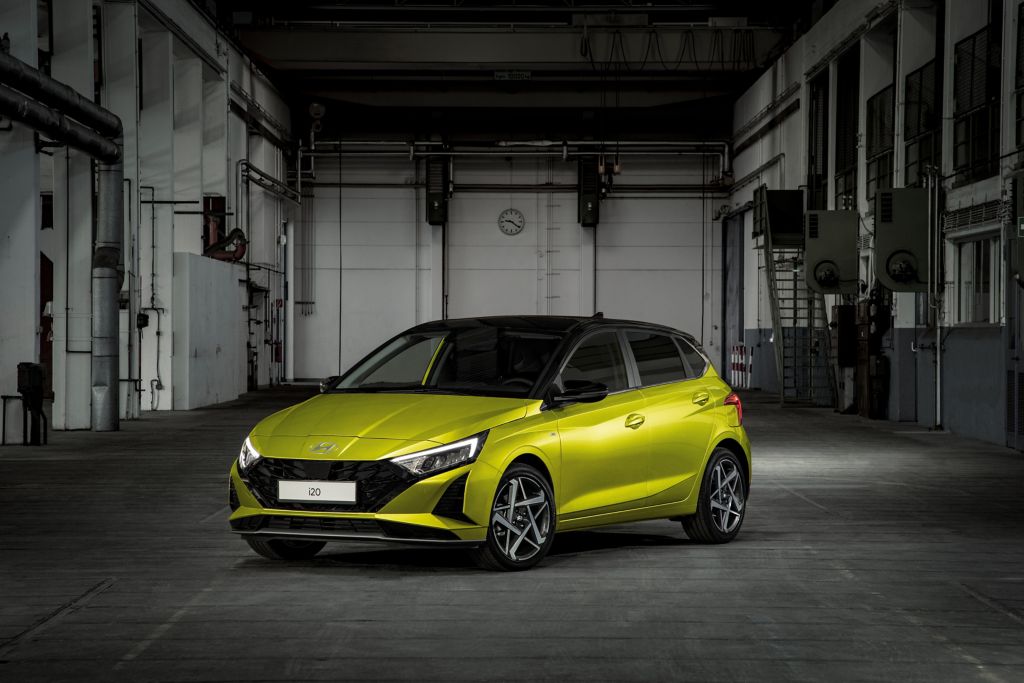 Hyundai i20
4. Hyundai i20 48V — from €16,630
Here begins the difference that defines the type of hybridisation. The i20 features a 48V mild hybrid system that assists with pull-offs and braking energy recovery, but it does not allow pure electric running. The result is urban consumption noticeably higher than the top three, although it remains more efficient than any conventional petrol car in the segment. It is debatable whether the extra cost over a full HEV is worthwhile if use is mostly urban.
| Power (kW) | Power (CV) | Urban consumption | Label | Fuel |
|---|---|---|---|---|
| 66 kW | 90 CV | 5.0 l/100 km | ECO | Mild Hybrid (MHEV) |
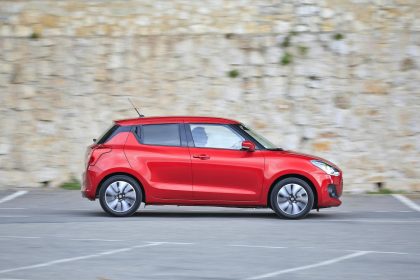
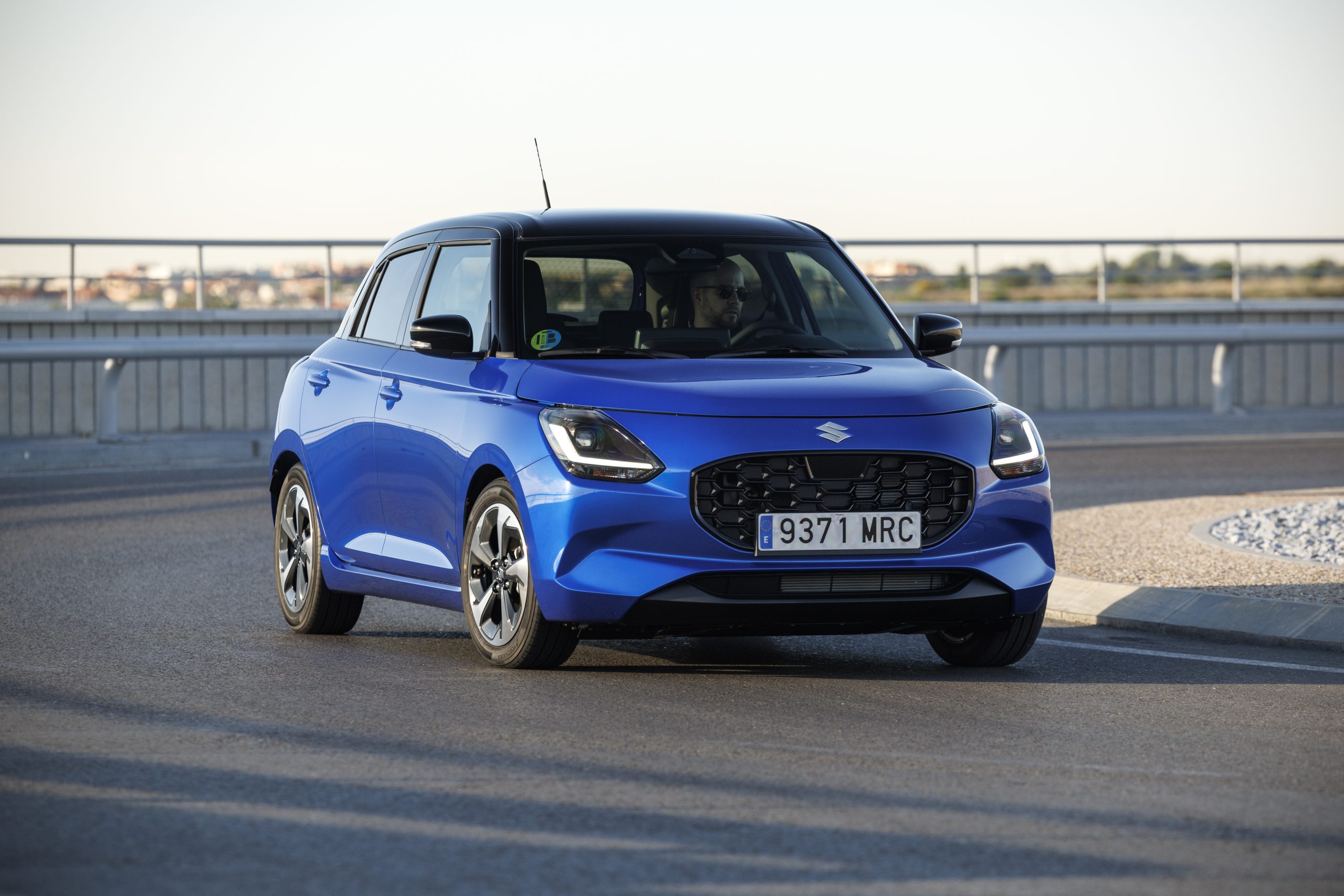 Suzuki Swift
5. Suzuki Swift Mild Hybrid — from €19,305
The Swift closes the ranking, the cheapest of the five and also the one with the highest urban consumption. Its 48V system smooths the behaviour of the three-cylinder engine, but without an electric traction motor there is no miracle possible in town. It remains a reasonable option for those who prioritise the entry price over long-term consumption, although it is not the panacea if daily use is intensive in the city.
| Power (kW) | Power (CV) | Urban consumption | Label | Fuel |
|---|---|---|---|---|
| 59 kW | 81 CV | 5.2 l/100 km | ECO | Mild Hybrid (MHEV) |
Ranking summary table
| Position | Model | RRP from | Urban consumption | Hybridisation | Label | Score |
|---|---|---|---|---|---|---|
| Toyota Yaris HEV | €24,825 | 3.3 l/100 km | HEV | ECO | 9.3/10 | |
| MG3 Hybrid+ | €20,340 | 3.8 l/100 km | HEV | ECO | 8.8/10 | |
| Renault Clio E-Tech | €22,719 | 4.0 l/100 km | HEV | ECO | 8.5/10 | |
| Hyundai i20 48V | €16,630 | 5.0 l/100 km | MHEV | ECO | 7.4/10 | |
| 5 | Suzuki Swift Mild Hybrid | €19,305 | 5.2 l/100 km | MHEV | ECO | 7.1/10 |
The difference between first and last place is almost two litres per 100 kilometres in the city. On intensive urban use of 15,000 km a year, that translates into several hundred litres of petrol a year. It is not a minor nuance.
For those who want a broader selection before deciding, it is also worth reviewing our ranking of urban hybrid city cars under €25,000, which includes slightly more expensive models with superior equipment.
It is also worth remembering that the purchase of any of these models may benefit from the current Plan Auto+ aid, whose exact amounts and requirements should always be checked on the official website before signing, as they change fairly often.
Frequently asked questions
Which hybrid city car has the lowest urban consumption under €25,000 in 2026?
The Toyota Yaris HEV, with homologated urban consumption of 3.3 l/100 km, thanks to its full hybrid system that allows pure electric running for much of the urban journey.
What is the difference between an HEV hybrid and an MHEV mild hybrid in real city consumption?
An HEV such as the Yaris or Clio E-Tech can run in electric mode at low speed, whereas an MHEV only assists the combustion engine without its own electric traction. In town, that difference translates into 1 or 2 litres less per 100 km for HEVs.
Do all these models have the DGT ECO label?
Yes, all five models in this ranking — both HEV and MHEV — carry the ECO label, which allows them access to traffic restrictions in low-emission zones and parking benefits in several Spanish cities.
Is it worth paying more for a full hybrid compared with a cheaper mild hybrid?
It depends on use. If the car is driven mostly in the city, the fuel savings of an HEV usually pay back the price difference within two or three years. For mixed use with more motorway driving, the advantage is considerably reduced.
Technical specifications of the cars in this article
 Kia offers an electric range of 10 models, 50 versions and 400 possible combinations
 The seven finalists for the 2027 European Car of the Year (COTY) are exclusively electric
 Peugeot E-208 GTi: a battery-powered toy that revives the spirit of the 1980s sports cars
Deja un comentario