BMW Born Cupra i3 ID.3 Megane Renault Volkswagen Electric Cars Compact Comparisons
How to choose a compact electric car for first-time drivers in 2026: ease of charging, range and monthly cost
 Dani Montesinos
27 November 2026
7 min.
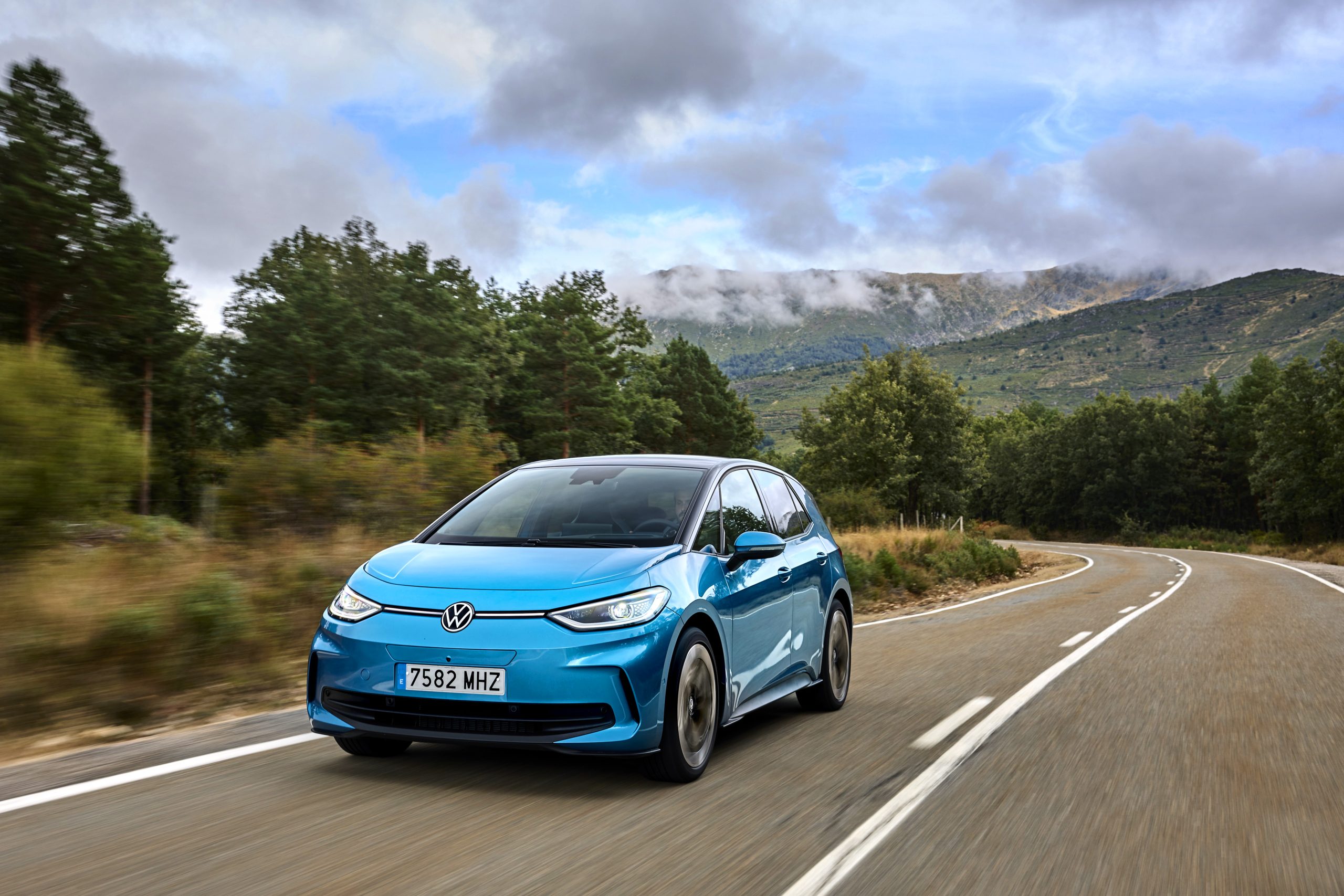
A guide for those facing their first electric car in Spain, covering the easiest compacts to charge, their real-world range and the approximate monthly cost
Choosing your first car is already a complicated decision. Choosing your first electric car, for someone who has never plugged in anything bigger than a phone, can be downright intimidating. Plugs, kilowatts, environmental labels, public incentives with names that change every two years… All of it piles up just when all you want is a car that gets you to work without surprises.
The good news is that in 2026 Spain’s compact electric car market no longer requires being an engineer to get it right. There are models designed, more or less explicitly, for the driver who is just starting out. And there are three variables that, properly understood, resolve 90% of the decision: how easy the car is to charge, how many kilometres it really delivers and how much it costs each month to keep in the garage.
Why is a compact electric car the best entry point in 2026?
A compact electric car offers something a large SUV cannot: manageable size, contained consumption and a reasonable entry price. For a novice driver, parking in a bay without scraping the kerb is already a daily victory — even better if the car measures less than 4.3 metres and turns on a dime.
Moreover, today’s compact electric cars are no longer laboratory experiments. They are mature vehicles, with a consolidated charging network and workshops that know what they are talking about when one rolls onto the lift.
Ease of charging: the criterion that really matters at the start
This is where most first-timers get stuck. And with good reason: charging is the only part of an electric car that has no direct equivalent in a petrol car.
Charging at home: wallbox and domestic socket
If you have your own garage, installing a 7.4 kW wallbox is the best investment you will make alongside the car itself. Charging from 20% to 80% in about six to eight hours — perfect for leaving it plugged in overnight. Without a wallbox, using a standard domestic socket, it takes considerably longer, and here it is worth being realistic: charging is not the same as “fast charging”.
Charging on the street: public network and real times
For those living in a flat without a private space, Spain’s public network has improved, though unevenly from city to city. At a 100 kW fast charger, a well-designed compact electric car recovers from 10% to 80% in about 30–35 minutes. Enough for a coffee. What is not advisable is relying on fast charging every day: it wears the battery more and, in practice, works out more expensive per kWh.
Real-world range: what figure to expect depending on use
The homologated WLTP range is a starting point, not a promise. In town, with traffic and mild weather, many compacts come fairly close to that figure. On the motorway, at 120 km/h and with the air conditioning on, the figure can drop by 20–25%. Anyone seeking a reliable range in a compact electric car for regular intercity journeys should look at models homologated above 400 km — that way the safety margin on the road is covered without range anxiety.
Total monthly cost: instalments, electricity, insurance and maintenance
This is the trap many first-timers fall into: they compare only the sticker price. The real monthly cost of an electric car adds up financing instalments, electricity, insurance and maintenance which, to the delight of any novice, is considerably cheaper than in a combustion car — no oil changes or clutch replacements.
With mostly domestic charging, the electricity bill for a compact usually comes to around €35–55 per month for roughly 1,000 km. Adding financing and insurance, a well-chosen compact electric car can cost between €280 and €420 per month, depending on the initial deposit and the term.
Plan Auto+: the public aid that reduces the upfront investment
The Plan Auto+ remains, in 2026, the reference framework for reducing the final price of an electric car in Spain. The exact amounts and requirements should be checked on the official website before signing anything, because they change fairly often, but as a general rule it pays to review it before closing the deal: it can make the difference between two models that, without the aid, seemed out of reach for a first car.
The best compact electric cars for beginners in 2026
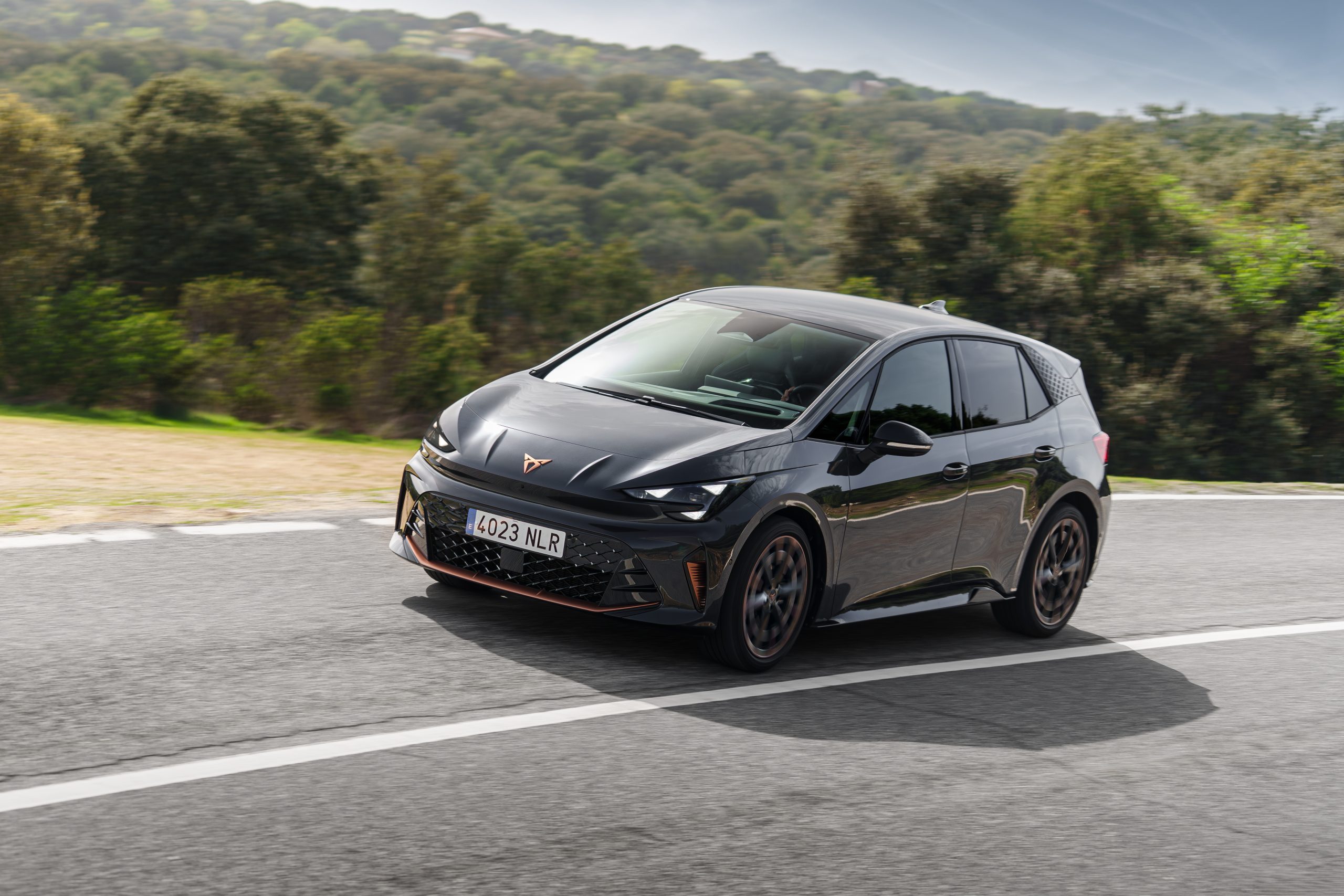
Cupra Born – from €42,770
The quintessential Spanish compact electric car. Easy to charge, with agile handling that does not intimidate the novice but does not bore the driver who has already gained confidence. We analyse it in detail in our review of the Cupra Born.
| Power (kW) | Power (hp) | Range | Consumption | Label | Fuel |
|---|---|---|---|---|---|
| 170 kW | 231 hp | 626 km | 14.5 kWh/100km | ZERO | Electric |
Volkswagen ID.3 Neo – from €28,260
It may be the most “hassle-free” electric car in its segment: simple ergonomics, predictable charging and a boot that appreciates the small family.
| Power (kW) | Power (hp) | Range | Consumption | Label | Fuel |
|---|---|---|---|---|---|
| 140 kW | 190 hp | 494 km | 13.9 kWh/100km | ZERO | Electric |
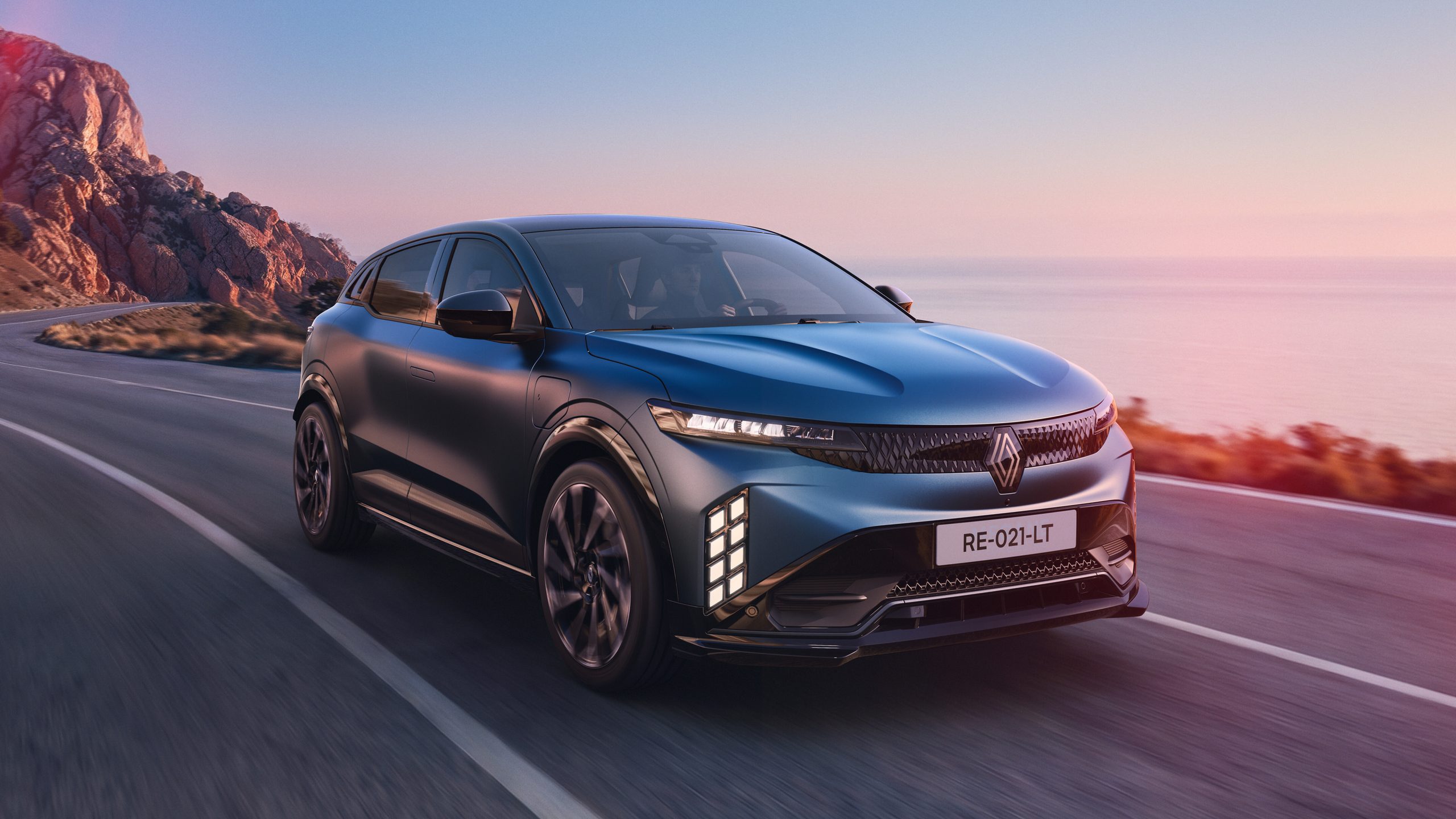
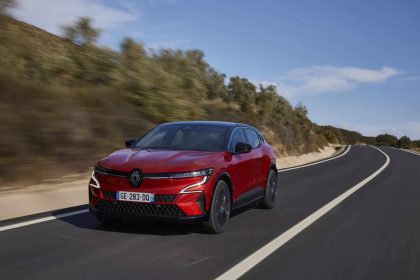
Renault Megane E-Tech – from €37,995
Careful design and a driving position that does not feel “futuristic” to someone coming from a petrol supermini — something that, for a first-timer, weighs more than it seems.
| Power (kW) | Power (hp) | Range | Consumption | Label | Fuel |
|---|---|---|---|---|---|
| 160 kW | 220 hp | 450 km | 15.2 kWh/100km | ZERO | Electric |
MG4 Electric – from €34,190
The most affordable of this group, a clear contender among cheap compact electric cars in 2026. It lacks the refinement of its European rivals, it has to be said, but it more than meets the needs of a first car on a tight budget.
| Power (kW) | Power (hp) | Range | Consumption | Label | Fuel |
|---|---|---|---|---|---|
| 125 kW | 170 hp | 452 km | 17.6 kWh/100km | ZERO | Electric |
BMW i3 – from €58,400
If you like driving with class, the new BMW i3 is the German saloon par excellence, now in a fully electric format thanks to the Neue Klasse of the Bavarian marque, with the latest electric technology and range figures that are truly outstanding even from its entry-level version.
| Power (kW) | Power (hp) | Range | Consumption | Label | Fuel |
|---|---|---|---|---|---|
| 275 kW | 374 hp | 700 km | 14.9 kWh/100km | ZERO | Electric |
Comparison table: range, price and estimated monthly cost
| Model | Price from | Range | Approx. monthly cost* | Score (ease for first-timers) |
|---|---|---|---|---|
| Cupra Born | €42,770 | 626 km | €380 | 8.5/10 |
| Volkswagen ID.3 | €28,260 | 494 km | €390 | 9/10 |
| Renault Megane E-Tech | €37,995 | 450 km | €375 | 8.5/10 |
| MG4 Electric | €34,100 | 452 km | €310 | 8/10 |
| BMW i3 | €58,400 | 700 km | €500 | 9/10 |
*Indicative estimate with medium-term financing, comprehensive insurance and mostly domestic charging, without yet applying Plan Auto+.
How to choose according to your profile as a novice driver
If you live in a flat without a garage, prioritise models with good public fast charging over maximum range — the Volkswagen ID.3 and the Cupra Born perform well on this point. If your budget is tight and you mostly make urban journeys, the MG4 Electric is, in our view, the option with the best value-for-money peace of mind. And if your day-to-day is pure city driving, with little motorway, the small size of the BMW i3 makes up for its lower range.
Anyone wishing to compare more alternatives within the segment can check our ranking of compact electric cars with the best range-to-price ratio, which includes more models below €35,000.
Frequently asked questions
What is the best electric car for beginners in 2026?
There is no single “best”, it depends on use. For most first-timers, the Volkswagen ID.3 and the Cupra Born stand out for their ease of handling and predictable charging, while the MG4 Electric is a vehicle worth considering for its value for money.
What range do I really need if I am a novice driver?
With mixed city-and-road journeys, 400 km of homologated range usually translates into 320–350 km in real use. It is a comfortable margin so as not to depend on intermediate charges every day.
How much does it cost per month to run a compact electric car?
Between financing, insurance, electricity and maintenance, the monthly cost usually ranges between €280 and €420, depending on the model and the chosen financing terms.
Is Plan Auto+ still in force in 2026?
Yes, Plan Auto+ continues as the framework of aid for buying electric cars in Spain. The exact amounts should be checked on the official website, as they may be updated during the year.
Technical specifications of the cars in this article

 Kia offers an electric range of 10 models, 50 versions and 400 possible combinations
 The seven finalists for the 2027 European Car of the Year (COTY) are exclusively electric
 Peugeot E-208 GTi: a battery-powered toy that revives the spirit of the 1980s sports cars
Deja un comentario