A3 Audi Clase A ES Lexus Mercedes UX Volvo XC40 Hybrid Cars Compact Rankings
2026 ranking: the 5 premium hybrid compacts with the best real-world fuel consumption and trim levels under €50,000
 Dani Montesinos
18 November 2026
6 min.
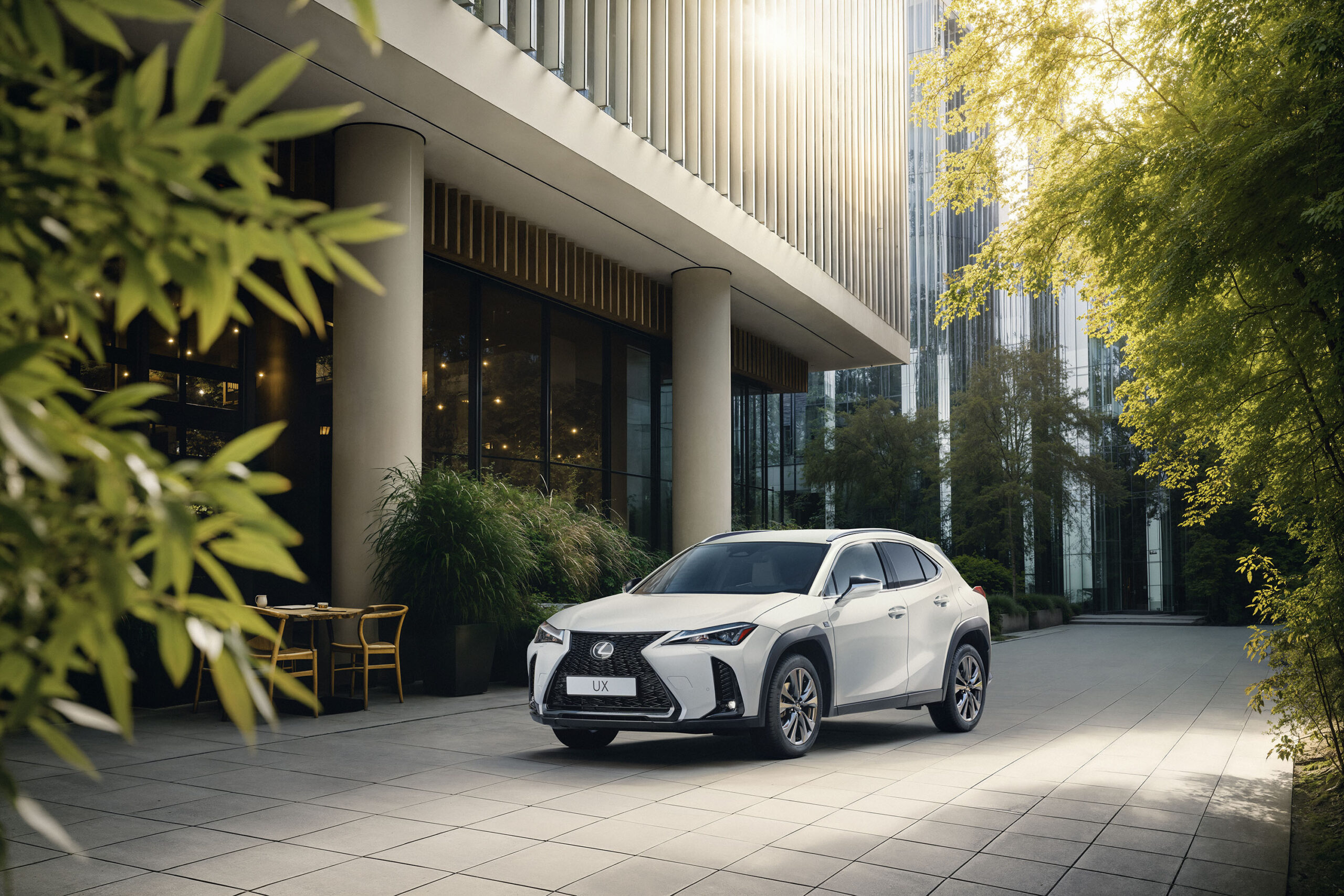
We compare 5 premium hybrid compacts on sale in 2026 priced below €50,000, prioritising consumption measured on the road over WLTP homologation
Buying a premium hybrid compact in 2026 for less than €50,000 no longer means giving up anything essential. There is room to choose the brand, the powertrain and even the trim level without going over budget. The tricky part is knowing which of them really delivers on its consumption claims, because between the WLTP figure and what the on-board computer shows after a real week of driving there is usually a gap that disappoints more than one buyer.
We have filtered the current Spanish market to come up with five proposals that combine a premium badge, electrified powertrains and a contained entry price. The result is a ranking designed to compare like with like: measured real-world consumption, not brochure figures.
What we look for in a premium hybrid compact under €45,000
Three filters, no tricks. First, that the entry price in Spain does not exceed €50,000 with the simplest trim available. Second, that the consumption we use is the one recorded in mixed-use tests, not the optimistic laboratory figure. And third, that the standard trim level justifies the premium label: materials, soundproofing and basic technology equipment, not as a paid option.
These criteria let in some people who surprise, and drop some model that on paper seemed untouchable. Here is the order.
1. Lexus UX 300h, from €40,250: the real-world consumption benchmark
The Lexus UX 300h remains the hardest to beat in this territory. It is not the most powerful or the most technological of the group, but its fourth-generation self-charging hybrid delivers something the rest find hard to match: urban consumption below 5 l/100 km without depending on any plug. On real urban journeys it sits between 4.6 and 5.1 l/100 km, a figure that barely rises on motorways.
| Model | Power (kW) | Power (CV) | Real consumption | Label | Fuel |
|---|---|---|---|---|---|
| Lexus UX 300h | 146 | 199 | 4.8 l/100 km | ECO | Hybrid |
2. Audi A3 Sportback 40 TFSIe, from €49,160: the German premium with a plug
The A3 Sportback 40 TFSIe plays in a different league: it is a plug-in hybrid, so its real consumption depends entirely on the driver’s discipline. With the battery charged daily, getting below 2 l/100 km on short urban trips is achievable. The problem comes when the electric range runs out, around 140 km homologated, which in practice drops to about 100 km: there consumption rises to 5.6 l/100 km, correct but already far from what the sticker promises.
| Model | Power (kW) | Power (CV) | Electric range | Real consumption | Label | Fuel |
|---|---|---|---|---|---|---|
| Audi A3 Sportback 40 TFSIe | 150 | 204 | 130-140 km | 5.6 l/100 km | CERO | PHEV |
3. Mercedes-Benz Clase A 250 e, from €49,985: comfort and a CERO label at the edge of the budget
The Clase A 250 e is the most expensive proposal in this ranking, stretching the €45,000 ceiling with the entry trim. In return it offers the interior that feels most premium of the five: materials, screens and acoustics one step up. Its electric range is around 80 homologated km, which in the city translates into 60-65 real km, enough to cover daily life without touching the combustion engine. When petrol kicks in, consumption sits around 5.8 l/100 km.
| Model | Power (kW) | Power (CV) | Electric range | Real consumption | Label | Fuel |
|---|---|---|---|---|---|---|
| Mercedes-Benz Clase A 250 e | 160 | 218 | 83 km | 5.8 l/100 km | CERO | PHEV |
4. BMW 218i Active Tourer, from €43,000: the most agile mild hybrid to drive
The BMW 218i Active Tourer is the cheapest entry point and also the one that depends least on electronics to perform well. Its 48V mild hybrid makes no promises of electric range because it has none, but it compensates with stable, predictable consumption: 6.0 l/100 km real in mixed use, with no surprises as the battery drains because, quite simply, there is no battery to run down. For someone who cannot charge at home or at work, it is the most honest approach in the group.
| Model | Power (kW) | Power (CV) | Real consumption | Label | Fuel |
|---|---|---|---|---|---|
| BMW 218i Active Tourer | 96 | 131 | 6.0 l/100 km | ECO | Hybrid |
5. Volvo XC40 B4, from €48,300: the Scandinavian compact SUV
The list closes with the only compact SUV in the group. The Volvo XC40 B4 uses a 48V mild hybrid that does not stand out on the consumption sheet, with 6.3 l/100 km real, the worst figure in the ranking. But it compensates with a roominess and a sense of robustness that, for anyone looking for something with the bearing of an SUV rather than a saloon, may weigh more than half a litre of difference.
| Model | Power (kW) | Power (CV) | Real consumption | Label | Fuel |
|---|---|---|---|---|---|
| Volvo XC40 B4 | 145 | 197 | 6.3 l/100 km | ECO | Hybrid |
Comparison table: final ranking by real consumption and price
| Position | Model | Price from | Power (CV) | Real consumption | Label | Score (1-10) |
|---|---|---|---|---|---|---|
| Lexus UX 300h | €40,250 | 199 | 4.8 l/100 km | ECO | 9.2 | |
| Audi A3 Sportback 40 TFSIe | €49,160 | 204 | 5.6 l/100 km* | CERO | 8.7 | |
| Mercedes-Benz Clase A 250 e | €49,985 | 218 | 5.8 l/100 km* | CERO | 8.5 | |
| BMW 218i Active Tourer | €43,000 | 131 | 6.0 l/100 km | ECO | 8.3 | |
| 5 | Volvo XC40 B4 | €48,300 | 197 | 6.3 l/100 km | ECO | 8.0 |
*Consumption with the battery depleted; with daily charging the real cost drops considerably.
Which premium hybrid compact to choose based on your use
If your journeys are mostly urban and you have nowhere to plug in, the Lexus wins without discussion: it does not depend on anyone to perform well. If, on the other hand, you have a wallbox or a plug in the garage, the Audi and the Mercedes change category, because much of the mileage will be done in pure electric mode. We already discussed this dilemma in detail when choosing an urban hybrid SUV for short trips, and the logic here is identical: a PHEV only pays off if it is genuinely charged.
Whoever prioritises driving feel and does not want the hassle of plugs will find the simplest balance in the BMW. And if what you are after is space and SUV bearing before maximum efficiency, the Volvo delivers, even though it is the thirstiest of the group. For those who also value long-term maintenance, it is worth reviewing our guide to compact hybrid SUVs with low maintenance, because the workshop bill also belongs in the real-cost equation.
Frequently asked questions
What is the most efficient premium compact hybrid under €50,000 in 2026?
The Lexus UX 250h, with a measured real consumption of 4.8 l/100 km in mixed use, is the most efficient of the group without needing a plug.
Is a premium PHEV worth it if I can’t charge it daily?
Not entirely. Models such as the Audi A3 Sportback 40 TFSIe or the Mercedes-Benz Clase A 250 e perform very well with daily charging, but with the battery depleted their consumption approaches that of a conventional hybrid, losing much of their advantage.
What public incentives exist for buying a premium compact hybrid in Spain?
The current framework is the Plan Auto+, which provides aid depending on vehicle type and autonomous community. Amounts vary, and it is always advisable to check the official website before calculating the final price.
Is there a real difference in trim levels between these five brands at entry level?
Yes. Mercedes-Benz and Audi usually offer the interior perceived as most premium as standard, while BMW and Volvo prioritise ergonomics and Lexus stands out for the perceived reliability of its materials, although its interior design is somewhat more conservative.
Technical specifications of the cars in this article

 Kia offers an electric range of 10 models, 50 versions and 400 possible combinations
 The seven finalists for the 2027 European Car of the Year (COTY) are exclusively electric
 Peugeot E-208 GTi: a battery-powered toy that revives the spirit of the 1980s sports cars
Deja un comentario