2026 ranking: the 6 premium compact SUVs with the best technology-to-price ratio on the Spanish market
 Dani Montesinos
7 September 2026
6 min.
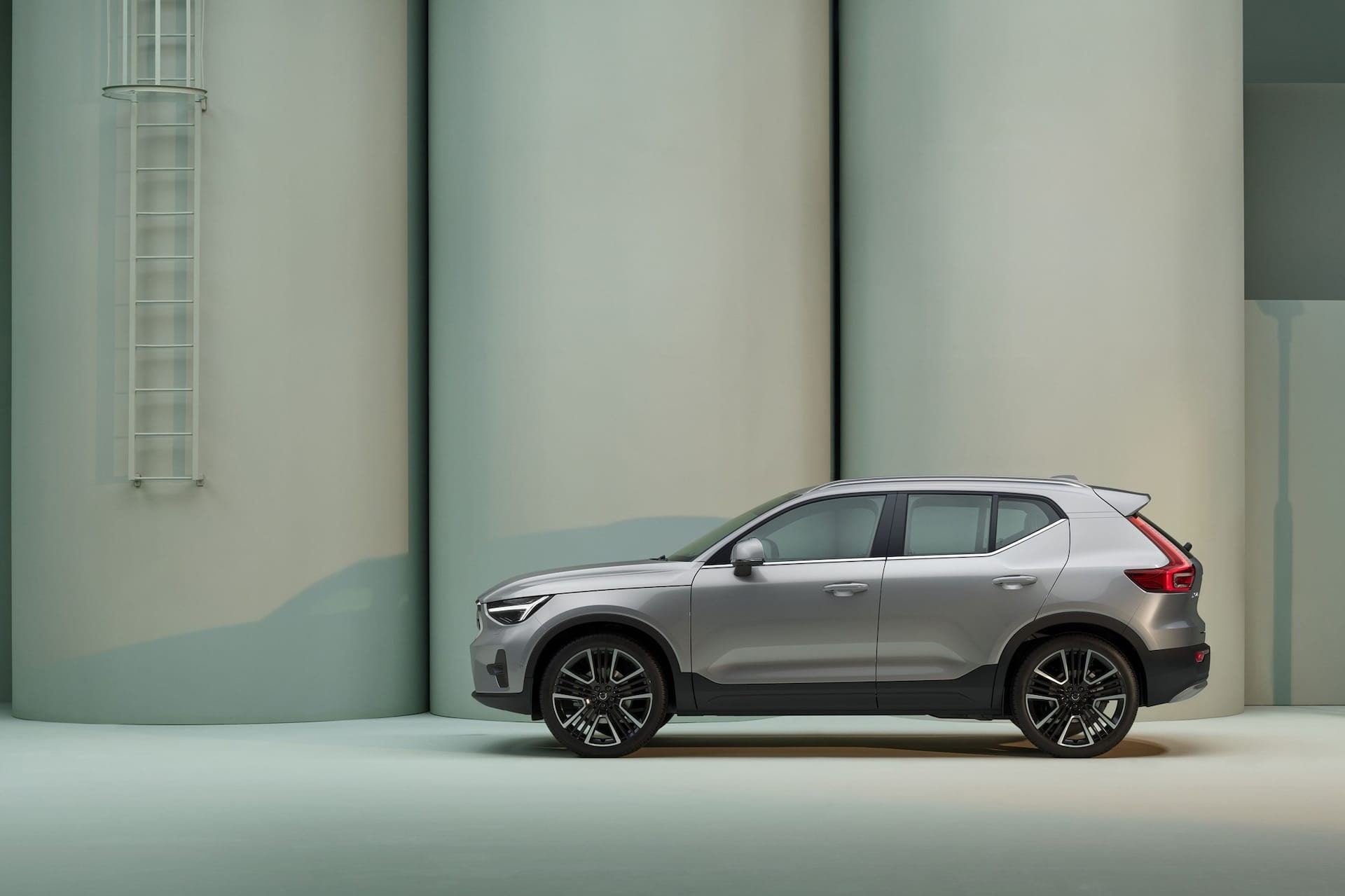
We analyse the six premium compact SUVs that in 2026 offer the best balance between technology and entry price in Spain
The premium compact SUV has become the most interesting battleground in the European market. There’s everything: Germans betting on total digitalisation, Japanese brands that have spent two decades refining hybridisation, Scandinavians with a minimalist approach and Iberian outsiders reinterpreting the sporty concept. The question we ask here is simple and complicated at the same time: which of them delivers the most technology for every euro invested.
A clarification before we start: this ranking deliberately leaves out two relevant players. BYD, because although it remains a reference in pure electrification, the 2026 buyer has a much wider range of alternatives that stand out in interior quality and technology ecosystem. And Nissan, because in our view the equation of a premium SUV is not solved by range and power alone: finishes, soundproofing, software and comfort weigh just as much or more, and we consider that there are more complete offerings in this segment today. With that clarified, let’s get down to business.
Methodology: how we evaluated the technology-to-price ratio
Four weighted variables. The first, ADAS package as standard (not as a 2,000-euro option): semi-autonomous driving, emergency braking with cyclist detection, active lane keeping. The second, infotainment: screen, processor, wireless integration, OTA updates. The third, available electrified powertrain, with preference for PHEVs with a CERO label or mild-hybrids with an ECO label. And finally, real entry price at a Spanish dealership, not the recommended retail price with the small print.
Volvo XC40 — from 42,800 €
The Swede remains, in my opinion, the premium compact SUV with the best balance between useful technology and restrained pricing. The B3 mild-hybrid version carries an ECO label, native Android Automotive operating system with integrated Google Maps — something that in practice is more appreciated than any proprietary navigator — and the Pilot Assist package as standard on mid-range trims. The interior is not the most luxurious in the group, admittedly, but ergonomics and the sense of safety are hallmarks of the brand.
| Power kW | Power hp | Top speed | Range | Consumption | Label | Fuel |
|---|---|---|---|---|---|---|
| 120 | 163 | 180 km/h | 650 km | 6.5 l/100 km | ECO | Petrol mild-hybrid |
Lexus UX — from 41,500 €
The Japanese outsider is the one that surprises us most on every revisit. The full hybrid system of Lexus, with nearly 30 years of development behind it, remains the most refined in the segment in the city. Real-world consumption in urban use drops below 5 l/100 km effortlessly. What holds it back — and it must be said — is a multimedia system that has improved but still doesn’t quite match the German level. In return, reliability and maintenance costs feel a step above the rest.
| Power kW | Power hp | Top speed | Range | Consumption | Label | Fuel |
|---|---|---|---|---|---|---|
| 146 | 199 | 177 km/h | 780 km | 5.0 l/100 km | ECO | Full hybrid |
Audi Q3Audi Q3 — from 58,270 €
The new generation of the Q3 arrives with the technological leap it needed: curved panoramic MMI, augmented reality head-up display and an e-hybrid PHEV version with over 100 km of certified electric range. CERO label. In an analysis of how to choose a premium SUV for less than 60,000 euros we already noted that Audi had regained traction in this range, and the Q3 confirms it.
| Power kW | Power hp | Top speed | Range | Consumption | Label | Fuel |
|---|---|---|---|---|---|---|
| 200 | 272 | 215 km/h | 930 km (100 km electric) | 1.8 l/100 km WLTP | CERO | PHEV petrol |
Mercedes-Benz GLA — from 56,013 €
Latest-generation MBUX, dual 10.25″ screen, voice assistant “Hey Mercedes” that already understands context and not just isolated commands. The 250e PHEV version achieves a CERO label with a useful real-world electric range of around 60 km. In infotainment it remains a reference; in dynamics it is merely correct, but whoever buys a GLA isn’t looking for curves, they’re looking for restrained premium technological prestige.
| Power kW | Power hp | Top speed | Range | Consumption | Label | Fuel |
|---|---|---|---|---|---|---|
| 160 | 218 | 210 km/h | 820 km (74 km electric) | 2.9 l/100 km WLTP | CERO | PHEV petrol |
BMW X1 — from 56,800 €
The X1 xDrive25e is, on paper, the most complete in the ranking. 10.25″ + 10.7″ Curved Display, iDrive 9 with a Snapdragon processor, advanced level 2 ADAS even on entry trims, and a PHEV powertrain offering around 90 km of electric range. Moreover, dynamically it remains the best-driving of the group. That doesn’t change the fact that the options list escalates quickly if you’re not careful.
| Power kW | Power hp | Top speed | Range | Consumption | Label | Fuel |
|---|---|---|---|---|---|---|
| 180 | 245 | 200 km/h | 890 km (83 km electric) | 2.8 l/100 km WLTP | CERO | PHEV petrol |
Cupra Formentor — from 43,204 €
The most affordable of the selection and, precisely for that reason, one of those that scores best in the technology-to-price equation. 12.9″ central screen, Digital Cockpit, signature ambient lighting and a VZ e-Hybrid variant with 272 hp and a CERO label. The interior is debatable in some materials compared with the Germans, but the overall proposition — design, performance and equipment below 40,000 euros — is hard to match.
| Power kW | Power hp | Top speed | Range | Consumption | Label | Fuel |
|---|---|---|---|---|---|---|
| 150 | 204 | 210 km/h | 720 km | 7.5 l/100 km | ECO | Petrol mild-hybrid |
Summary table and editorial score
| Model | Price from | Label | ADAS | Infotainment | Electrification | Value for money | Total /10 |
|---|---|---|---|---|---|---|---|
| BMW X1 xDrive25e | 56,800 € | CERO | 9 | 9.5 | 9 | 8 | 8.9 |
| Audi Q3 e-hybrid | 58,270 € | CERO | 8.5 | 9 | 9.5 | 7.5 | 8.6 |
| Volvo XC40 B3 | 42,800 € | ECO | 9 | 8.5 | 8.5 | 8.3 | |
| Cupra Formentor e-Hybrid | 43,204 € | CERO | 7.5 | 8 | 8 | 9.5 | 8.3 |
| Mercedes GLA 250e | 56,013 € | CERO | 8 | 9.5 | 8.5 | 8.2 | |
| Lexus UX 250h | 41,500 € | ECO | 8 | 7.5 | 7.5 | 8 | 7.8 |
The BMW X1 takes the gold for technological and dynamic package, but the Cupra Formentor shows that the technology-to-price ratio is not always won by the traditional premium brands. In between, an XC40 that is ageing surprisingly well and a Q3 that is regaining ground with its generational leap.
Frequently asked questions
Which premium compact SUV offers the best technology-to-price ratio in Spain in 2026?
According to our editorial judgement, the Cupra Formentor leads the pure equation of technology per euro invested, while the BMW X1 xDrive25e is the most complete if the budget stretches to 55,000 euros.
Is it worth paying for a PHEV in this segment?
Yes, if the user has a home charging point and makes daily trips of under 60 km. The CERO label grants access to ZBE zones and real consumption drops to almost electric figures. Without home charging, the equation doesn’t add up.
Does the Plan Auto+ apply to these models?
The Plan Auto+ provides aid for the purchase of electrified vehicles. The CERO-labelled PHEVs in the ranking (Q3, GLA, X1 and Formentor VZ) fall within the general framework of the plan; check the official website for the amount and conditions in force at the time of purchase.
Which model has the best infotainment system?
A technical tie between the BMW iDrive 9 and the Mercedes MBUX. The former wins on response speed and personalisation; the latter on voice assistant. Both are ahead of the rest of the group.
 Kia offers an electric range of 10 models, 50 versions and 400 possible combinations
 The seven finalists for the 2027 European Car of the Year (COTY) are exclusively electric
 Peugeot E-208 GTi: a battery-powered toy that revives the spirit of the 1980s sports cars
Deja un comentario