Audi BMW ES Lexus Macan NX Porsche Q5 X3 Comparisons Buying Guides SUV
How to Choose a Premium SUV with Better Resale Value in 2026: Brands, Powertrains and Segments That Hold Their Value
 Dani Montesinos
7 September 2026
6 min.
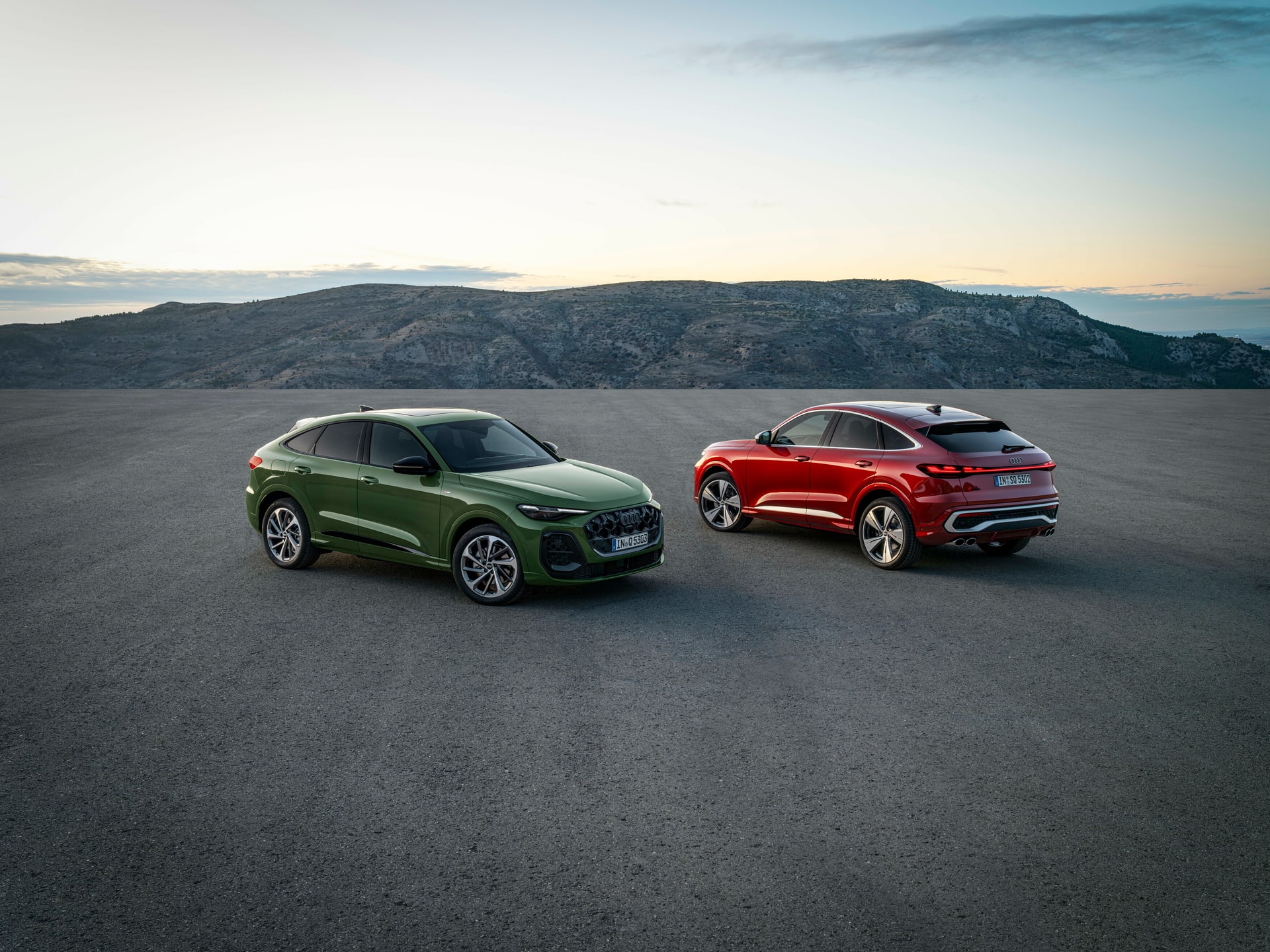
Editorial guide to buying a premium SUV in 2026 with total cost of ownership in mind: brands, powertrains and which segments best retain their value
Buying a premium SUV in 2026 with resale in mind requires a different reading from the one you would have made five years ago. The Spanish market has changed — more Chinese supply, more electrification forced by Brussels, more uncertainty about environmental labels and ZBE low-emission zones — and that uncertainty weighs on residual value. A 70,000-euro car that is worth 45% after three years is not the same as one worth 62%: we are talking about thousands of euros that evaporate before you even turn the key.
In this segment, the three traditional German rivals compete strongly, Lexus, Porsche and Volvo, alongside a recent avalanche of Chinese proposals. From the previous list of candidates we have ruled out two names. BYD remains a global reference in electrification, but in our view the 2026 buyer now has a broader range of premium European alternatives that offer a better perceived interior quality and a more established dealer network, a key factor for residual value. And the proposed premium electric SUV from Nissan is also left out: we believe that, beyond range and power, soundproofing, software ergonomics and the consistency of finishes make the difference in this range, and there we find more complete rivals.
What really drives the residual value of a premium SUV in 2026
Brand, yes. But not only. Residual value depends on the combination of used-market demand, the official dealer network, maintenance costs, the environmental label and — increasingly — the buyer’s perception of the state of the on-board technology. An infotainment system that nobody wants after three years depreciates just as much as an obsolete engine.
The weight of the powertrain: hybrid, PHEV, diesel and electric
Premium diesel still holds up well in the D–E segment thanks to the export market and high-mileage buyers, although its depreciation curve accelerates with the ZBE zones. The non-plug-in hybrid has become the rational refuge. The PHEV depends on fuel prices and tax policy — a more volatile residual than it seems. And premium electric remains the big question mark: it falls quickly in the first two years and stabilises afterwards, except in very specific cases.
Premium D segment: where most of the game is played
This is where the battle for residual value is fought hardest. These are the four names that, in our editorial judgement, hold up best.
BMW X3 — from 67,700 €
The rational benchmark of the segment. The combination of network, international demand and a well-executed hybrid range keeps it among the best residual values on the Spanish market. The new X3 refines what already worked: a more digital interior without excess, smooth powertrains and a brand image that is still paid for on the used market.
| Power kW | Power CV | Top speed | Range | Consumption | Label | Fuel |
|---|---|---|---|---|---|---|
| 145 | 197 | 215 km/h | 900 km | 6.8 l/100 | ECO | Hybrid |
Mercedes-Benz GLC — from 68,113 €
It has the aura of the brand and a PHEV range with a long electric range that is still worthwhile if you plug it in every day. The interior — to my taste, somewhat excessive in its screens — is a powerful commercial argument on the used market. Watch out for heavily equipped versions: they resell poorly if the equipment is hard to justify.
| Power kW | Power CV | Top speed | Range | Consumption | Label | Fuel |
|---|---|---|---|---|---|---|
| 230 | 313 | 218 km/h | 124 km electric | 2.1 l/100 | CERO | PHEV |
Audi Q5 — from 67,350 €
The most discreet of the three Germans in terms of depreciation curve, but also the most predictable. The recent renewal has balanced interior and powertrains, and in mild-hybrid TDI versions it remains a safe bet for those who do high mileage. It doesn’t shine, and it doesn’t disappoint.
| Power kW | Power CV | Top speed | Range | Consumption | Label | Fuel |
|---|---|---|---|---|---|---|
| 150 | 204 | 222 km/h | 1,100 km | 5.9 l/100 | ECO | Diesel |
Lexus NX — from 54,050 €
The rational outsider. Depreciation below the segment average, proven reliability and a full hybrid that ages very well. It doesn’t have German prestige on the used market, but it makes up for it with low maintenance costs. In our view, the most sensible purchase if the goal is to minimise losses — something we already anticipated in the update that Lexus is preparing for 2027.
| Power kW | Power CV | Top speed | Range | Consumption | Label | Fuel |
|---|---|---|---|---|---|---|
| 179 | 242 | 200 km/h | 950 km | 5.7 l/100 | ECO | Hybrid |
Top segment: when residual value becomes art
Porsche Macan — from 83,296 €
The absolute benchmark of the segment for value retention. Not even the move to electric in the new generation has eroded its appeal among second-hand buyers, although it remains to be seen how the residual value of the electric Macan evolves compared with the outgoing combustion version. On paper, it is still the most profitable bet if the initial outlay is not a problem.
| Power kW | Power CV | Top speed | Range | Consumption | Label | Fuel |
|---|---|---|---|---|---|---|
| 250 | 340 | 220 km/h | 641 km | 16.7 kWh/100 | CERO | Electric |
Volvo XC60 — from 66,450 €
The Swede is a curious case: it retains less than a Porsche, yes, but it commands a higher price on the used market than any equivalent French or Italian alternative. The PHEV T6 remains the one that defends itself best in the domestic market thanks to the CERO label and a sober brand image that ages with dignity.
| Power kW | Power CV | Top speed | Range | Consumption | Label | Fuel |
|---|---|---|---|---|---|---|
| 246 | 335 | 180 km/h | 79 km electric | 2.7 l/100 | CERO | PHEV |
Comparison table: editorial ranking of value retention
| Model | Segment | Fuel | Label | Price from | Residual score /10 |
|---|---|---|---|---|---|
| Porsche Macan | D+ premium | Electric | CERO | 83,296 € | 9.3 |
| BMW X3 | D premium | Diesel | ECO | 67,700 € | 8.7 |
| Lexus NX | D premium | Hybrid | ECO | 54,050 € | 8.5 |
| Mercedes-Benz GLC | D premium | PHEV | CERO | 68,113 € | 8.2 |
| Volvo XC60 | D premium | PHEV | CERO | 66,450 € | 7.9 |
| Audi Q5 | D premium | Diesel | ECO | 67,350 € | 7.7 |
Final recommendations by buyer profile
If you drive a lot and need margin, the Audi Q5 TDI or the BMW X3 hybrid. If you are looking for the most protected residual value, the Porsche Macan. If you prioritise maintenance costs and zero surprises, the Lexus NX. And if you want the CERO label without giving up a strong brand, the Mercedes GLC or Volvo XC60 in its PHEV variant. Regarding current incentives for electric vehicles, the Plan Auto+ is the reference framework — it is advisable to check the up-to-date amounts on the official website before signing.
Frequently asked questions
Which premium SUV depreciates least in Spain after three years?
The Porsche Macan still leads the retention ranking in the Spanish market, with residual values staying above 60% after three years in well-equipped versions. It is followed by the BMW X3 and the Lexus NX.
Is it better to buy a premium hybrid or PHEV SUV with resale in mind?
The non-plug-in hybrid consistently retains value better because it does not depend on tax policy or on the user’s charging habits. The PHEV can hold up well if it keeps the CERO label and the market does not penalise its more expensive versions.
Does premium diesel still make sense in 2026?
Yes, for profiles driving more than 25,000 km a year and as long as the local ZBE does not block it. The Audi Q5 TDI and the BMW X3 xDrive20d maintain solid residual values thanks to the export market.
Do premium electric SUVs retain their value?
They suffer a strong drop in the first two years and then stabilise. The Porsche electric Macan and the BMW iX3 are the exceptions that hold up best, thanks to brand, technology and international demand.
Technical specifications of the cars in this article
 Peugeot E-208 GTi: a battery-powered toy that revives the spirit of the 1980s sports cars
 New Lexus ES: luxury grows and goes electric
 First contact with the Dacia Sandero Hybrid 155: power and efficiency from €19,890
Deja un comentario