75,000 cars will break down on the road this summer. Will you be one of them?
 Jaime Gomez
30 July 2017
4 min.
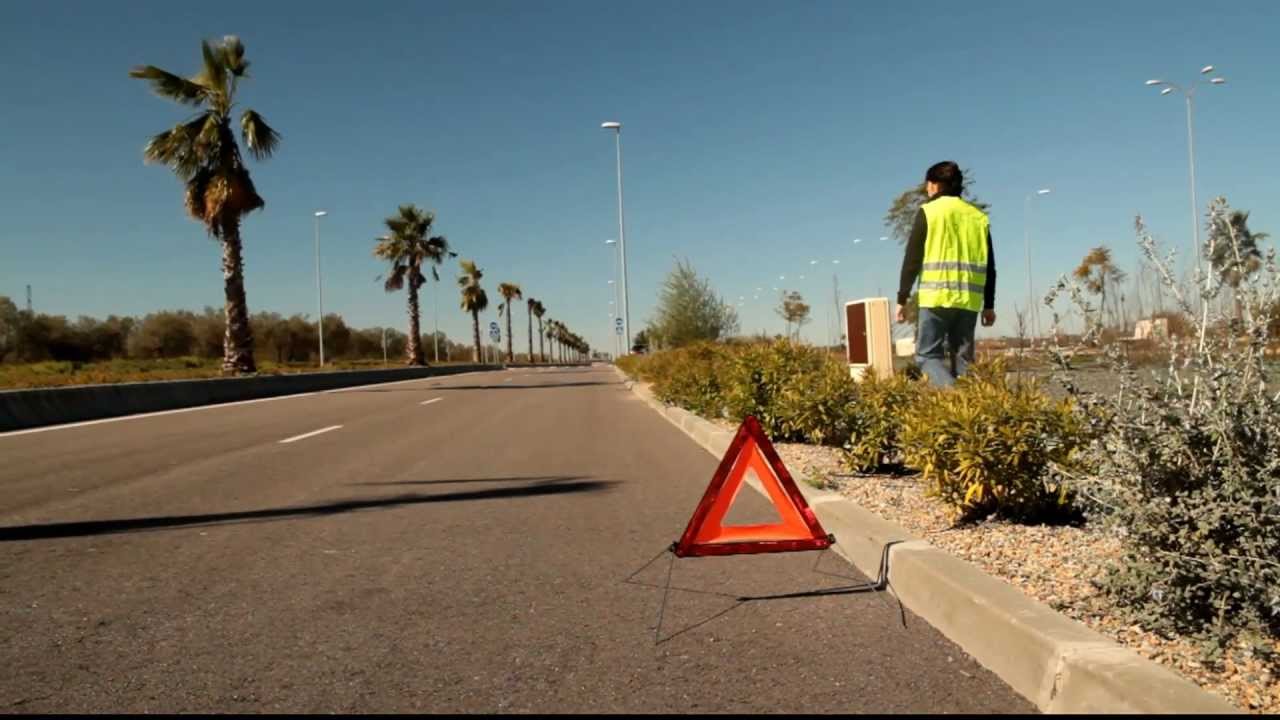
More than 75,000 motorists will need roadside assistance this summer, according to estimates from RACE. Will you be one of them?
Battery problems, tyres and complications arising from poor maintenance of the engine and the vehicle in general will be the main incidents that will lead more than 75,000 motorists to request help from assistance services this August, according to calculations made by the Royal Automobile Club of Spain (RACE).
Since January, RACE’s assistance services have already attended to more than 463,000 roadside incidents, representing a 12.2% increase compared with those attended over the same period of last year. The poor maintenance of most of the vehicles attended is the main cause behind the intervention. In fact, only 44 per cent of the people who received help from RACE were able to continue their journey after a repair carried out at the scene of the incident.
According to the company’s estimates, based on the trend of the first half of the year and the interventions carried out in July, the first month of the holiday period, everything points to the number of interventions increasing by 15% in August, which means more than 75,000 incidents, of which RACE is confident around 33,000 will be fully resolved so that vehicles and their occupants can continue their journey.
Batteries, tyres, engine, injectors, alternator, starter motor, clutch disc, gearbox problems, timing belt and turbo are the main causes behind the interventions of assistance and roadside help services, causes that in the vast majority of cases could have been avoided if motorists had carried out proper maintenance of their vehicle or had it checked at a garage before setting off on their journey.
In addition to poor maintenance, there is also the growing age of the Spanish car fleet, whose average age exceeds 12 years, a factor that also causes many vehicles to suffer incidents during long summer journeys, leading to failures in clutches (+54%), timing or alternator belts (+37%) or diesel particulate filters (+38%).
To avoid these inconveniences that disrupt the journey and affect both your safety and that of other road users, RACE has drawn up the following decalogue of recommendations before undertaking a long car journey:
Before setting off
- Check the levels of the vehicle (oil and radiator coolant), battery, tyres (pressure and tread depth), and washer systems (wiper blades and windscreen washer fluid). And check the correct condition and availability of the mandatory items: warning triangle, reflective vest, jack, tools, spare fuses, bulbs…
- Plan your journey and avoid the hours of possible congestion. Online you can find various apps that provide real-time information on traffic, petrol stations and any other data you may need.
- Rest before setting off. If you travel after a working day, you will be very tired, increasing the risk of an accident. Distribute the load evenly, making sure you leave no loose objects that could be thrown forward in the event of a sudden braking or impact. Animals must never travel loose.
And once on the road
- Rest every two hours or 200 kilometres at most.
- Never drink alcohol if you are going to drive, NONE at all, obey the rules and make sure all occupants ALWAYS wear their restraint systems properly (seat belts, child seats, …).
- Always keep a safe following distance, always drive on the right, except when overtaking, returning to this lane as soon as possible. Anticipate possible hazardous situations with sufficient time, and signal them to other drivers.
- Remember that the risk increases towards the end of journeys: accumulated fatigue from the trip, eagerness to reach the destination, possible tailbacks at junctions, night…
- Never neglect your safety, not even on short trips, no matter how well you know the road: many accidents happen near home, on short routes where we become complacent, and where danger is always present.
- If you are going to drive at night, you must be aware of the fatigue caused by the sustained concentration that reduced visibility demands. Check your headlights, adjust the height of the light beam to the load of the vehicle, and increase your following distance. At the first sign of tiredness, stop and rest for as long as necessary.
- If you witness or are involved in an accident, remember the PAS procedure: Protect, Alert and Assist. First protect yourself from possible new hazards, Alert the emergency services and Assist the injured in cases of extreme seriousness.
- Remember, this August more than 75,000 incidents will occur on the road; the best way to prevent your car from being one of those affected is, first, to check its condition by visiting a garage to verify it is in good order and, second, to follow the recommendations for a happy journey.
Above all, remember that no amount of precaution and safety is too much. Have a good trip and see you on your return!


 The seven finalists for the 2027 European Car of the Year (COTY) are exclusively electric
 Peugeot E-208 GTi: a battery-powered toy that revives the spirit of the 1980s sports cars
 New Lexus ES: luxury grows and goes electric
Deja un comentario