Audi Q5 TFSI vs. Mercedes-Benz GLC Plug-in Hybrid: the pulse of the electrified premium family SUV
 Iván Navarro
11 June 2026
4 min.
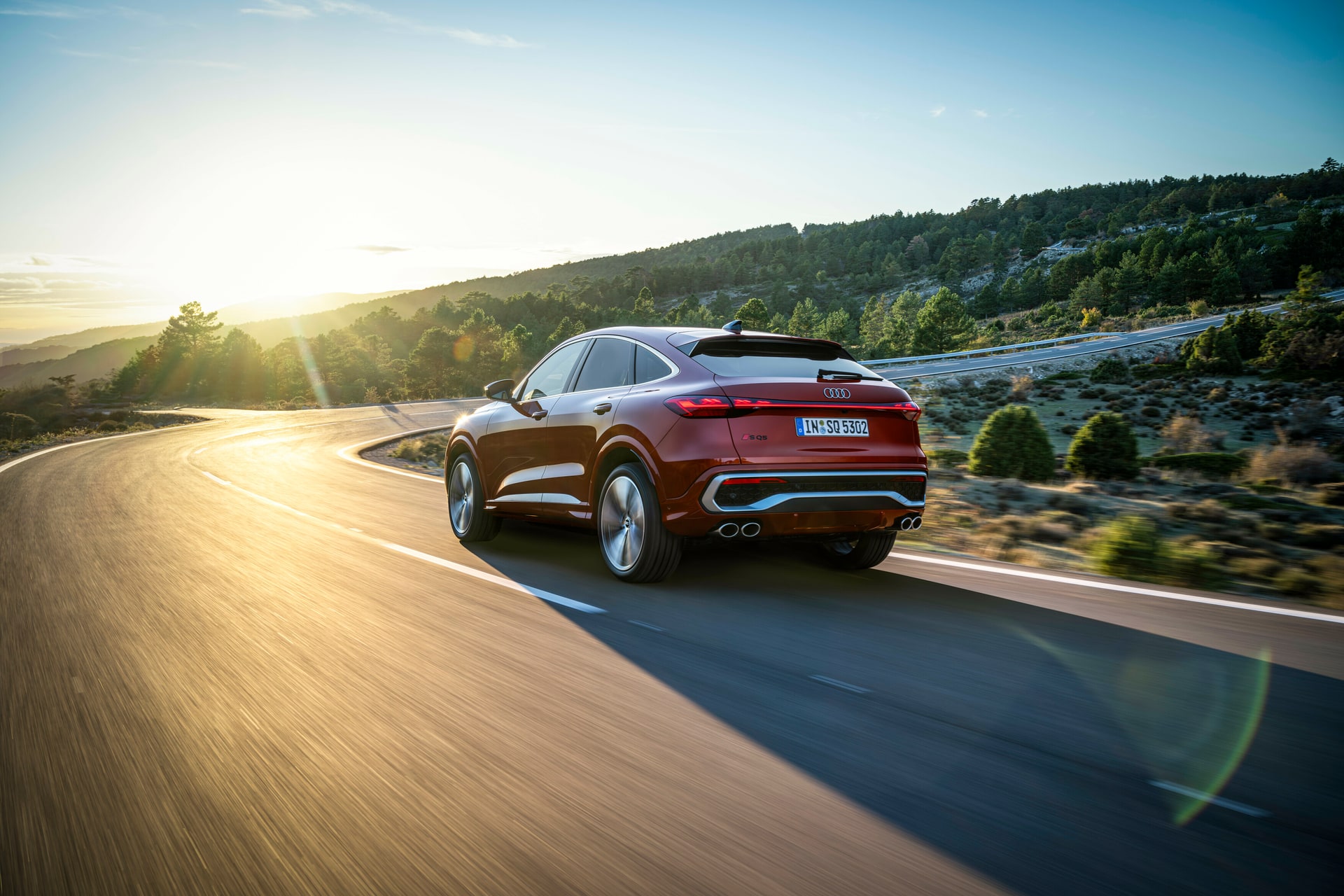
We compare the Audi Q5 TFSI and the Mercedes-Benz GLC 300 to decide which electrified premium family SUV best suits Spain: an efficient mild hybrid versus a PHEV with a CERO label.
The electrified premium family SUV is today the commercial heart of German brands in Spain. Two heavyweights clash in this contest: the Audi Q5 TFSI —a petrol mild hybrid geared towards rational efficiency— and the Mercedes-Benz GLC 300 e, a textbook plug-in hybrid with a CERO label and a technology-driven focus. Same family vocation, two opposing philosophies of electrification.
Why does this duel matter to the Spanish buyer?
Anyone looking for an upper-mid-range SUV in Spain faces a fiscal and usage dilemma. The DGT’s CERO label opens doors (ZBEs, preferential parking, more favourable company taxation), but it requires a pure PHEV setup and, almost always, a garage with a plug. The mild hybrid, on the other hand, simplifies life: petrol and nothing more, ECO on the windscreen and modest consumption.
Audi Q5 TFSI e (from ≈€63,000): the rational mild hybrid
The Q5 TFSI S tronic mounts a 2.0 TFSI four-cylinder petrol engine supported by a 12V mild-hybrid system that recovers energy during deceleration, smooths Start&Stop restarts and allows brief coasting phases with the engine off. It cannot be plugged in, does not drive on pure electric power and, therefore, does not aspire to the CERO label: it stays at ECO.
In return, the approach is honest: 200 CV, S tronic transmission, up to 230 km/h and homologated consumption of around 6.5 l/100 km. The interior keeps the Audi standard of always —surgical ergonomics, fluid MMI, materials beyond reproach— and the boot suffers no cuts for batteries. It is the most coherent Q5 for those who drive many motorway kilometres and have no charging infrastructure.
| Power kW | Power CV | Top speed | Range | Consumption | Label | Fuel |
|---|---|---|---|---|---|---|
| ≈150 kW | ≈200 CV | ≈230 km/h | — | ≈6.5 l/100 km | ECO | Petrol mild hybrid |
Mercedes-Benz GLC 300 (from ≈€71,400): the reference PHEV
The GLC 300 plays in a different conceptual league. It combines a 2.0 turbo petrol engine with an integrated electric motor in the 9G-Tronic gearbox and a 25.5 kWh battery —an unusually generous figure for a PHEV— that delivers around 130 km of WLTP electric range. 4Matic all-wheel drive, 310 CV system output and a homologated consumption of just 2 l/100 km when the battery is factored in.
It is, without qualification, one of the most capable plug-in hybrids on the market. If daily life means 40–80 km with the option to charge at home or at work, you drive electric almost all year round. And when the long journey comes, the four-cylinder takes over without drama. CERO label, favourable company taxation and, in addition, fast DC charging as standard.
| Power kW | Power CV | Top speed | Electric range | Consumption | Label | Fuel |
|---|---|---|---|---|---|---|
| ≈230 kW | ≈310 CV | ≈220 km/h | ≈130 km | ≈2 l/100 km | CERO | PHEV petrol/electric |
MHEV vs PHEV: the difference that changes everything
The key is not the brand, it is the architecture. The Q5 TFSI is a petrol car with electric assistance; the GLC 300 is an electric car with thermal backup. That boundary defines the DGT label, zero-emission range, purchase price, residual value and use cases.
Dynamics, comfort and on-board technology
Both share outstanding insulation and refinement. The GLC feels more forceful on acceleration thanks to the instant torque of the electric motor; the Q5 responds with the fluidity typical of the S tronic and a more conventional weight distribution. In infotainment, the Mercedes’s MBUX is a step ahead in voice integration, while the Audi’s MMI wins on visual clarity and learning curve.
Prices, taxation and running costs
We refer to the manufacturer’s recommended RRP, without dealer discounts, campaigns or aid: the Q5 TFSI starts at around €63,000 and the GLC 300 is around €71,400. The difference, close to €8,000, is justified by the CERO label, the 130 electric km and the greater power of the Mercedes.
Summary table and verdict
| Model | Power | Electric range | Label | Price from | Efficiency | Technology | Overall value |
|---|---|---|---|---|---|---|---|
| Audi Q5 TFSI e | 200 CV | — | ECO | ≈€63,000 | 7/10 | 8/10 | 7.5/10 |
| Mercedes-Benz GLC 300 e | 310 CV | ≈130 km | CERO | ≈€71,400 | 9/10 | 9/10 | 9/10 |
The Mercedes-Benz GLC 300 is the most complete answer if you have access to a plug and are looking for a CERO label. The Audi Q5 TFSI still makes sense for travelling profiles without charging infrastructure and with a tighter budget.
Frequently asked questions
Does the Audi Q5 TFSI have a CERO label?
No. Being a mild hybrid with no possibility of external charging, it receives the DGT’s ECO label, not CERO.
How much real electric range does the Mercedes GLC 300 offer?
It is homologated at around 130 km WLTP. In mixed real-world use, a reasonable expectation is between 90 and 110 km depending on temperature and driving style.
Which premium plug-in hybrid SUV is best for the city?
The GLC 300, without doubt: the 25.5 kWh battery covers practically the entire urban working week without using petrol, and gives access to low-emission zones thanks to the CERO label.
Is it worth paying the difference between the Q5 TFSI e and the GLC 300?
If you have a garage with a plug and value company taxation, the CERO label and performance, yes. Without a charging point, the PHEV’s extra cost does not pay off and the Q5 TFSI is more coherent.


 Kia offers an electric range of 10 models, 50 versions and 400 possible combinations
 The seven finalists for the 2027 European Car of the Year (COTY) are exclusively electric
 Peugeot E-208 GTi: a battery-powered toy that revives the spirit of the 1980s sports cars
Deja un comentario