Bentley moves to eFuel: this is the first model from the brand that will adopt it
 Victor Alós Yus @sepelaci
24 October 2024
2 min.
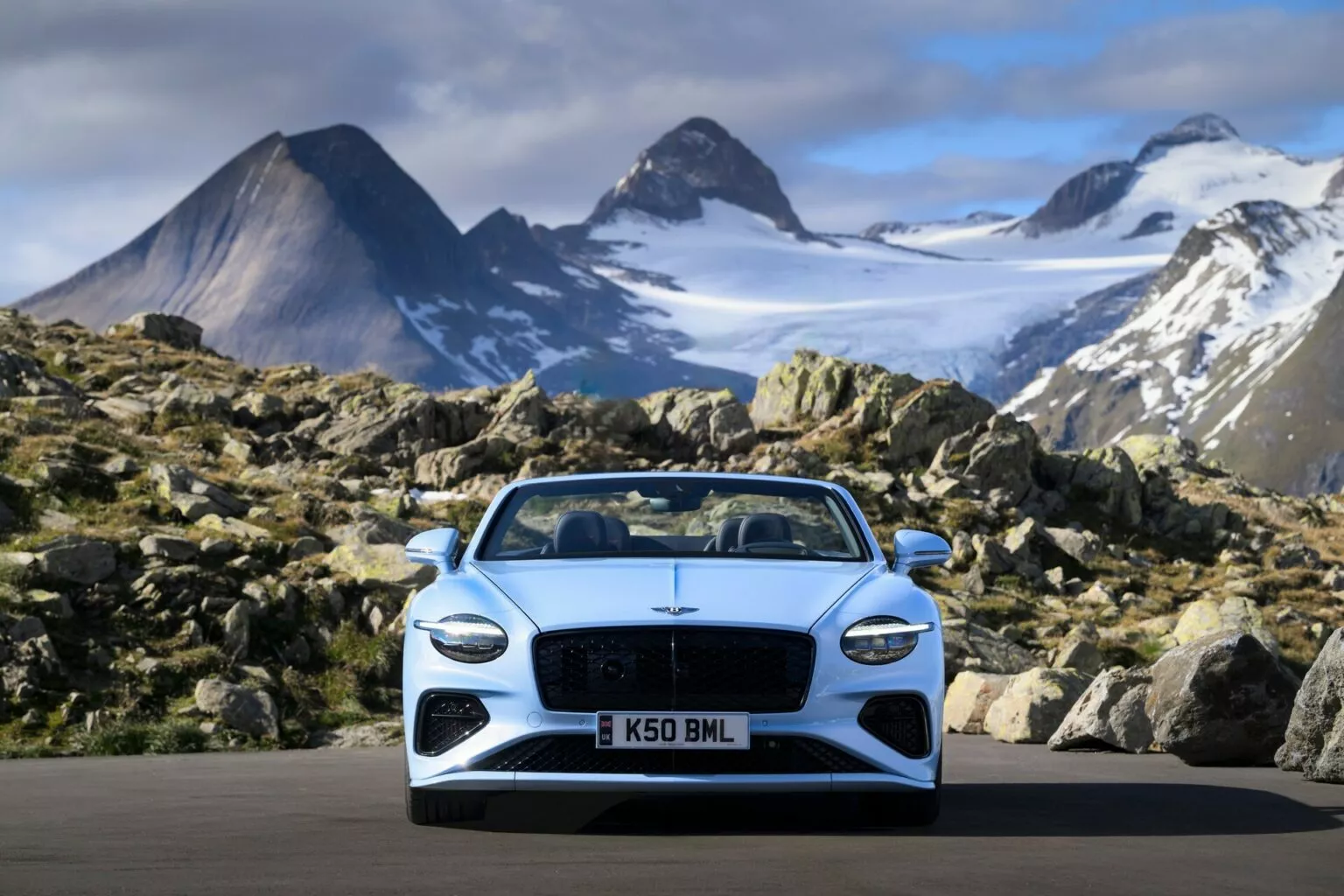
The British luxury car brand has worked to equip this model with an engine capable of running on eFuel and achieving reduced emissions.
By 2035, unless there are last-minute changes, will stop selling cars powered by an internal combustion engine. The automotive industry is set to become electric, and the decarbonisation of traffic will advance as a result. However, there are several exceptions to this requirement, and one of them is the use of synthetic fuels that considerably reduce polluting emissions.
The essential condition for these vehicles to remain on the market is that they can only run on eFuel and it may not be used as an excuse to fuel them with traditional fuels. This is a problem today, since the price of a litre of this type of fuel is 50% more expensive. This may change over the 10 years remaining until that point, so manufacturers are beginning to take the first steps towards using this technology.
Bentley has wanted to be the first to propose this type of fuel and to do so has equipped one unit of the Bentley Continental GT Speed that runs precisely on this fuel. The car runs thanks to the eFuel the brand has produced together with Porsche at the experimental plant located in Haru Oni, Chile.
The eFuel production process involves capturing the biogenic carbon dioxide resulting from the fermentation of organic matter, which is combined with hydrogen created through the electrolysis of water to produce methanol. It is then refined and the fuel that will be used in these new engines is obtained.
The latest tests have produced a fuel composed of 75% of this eFuel and 25% traditional petrol. This keeps emissions very low, and work is underway to develop an engine that runs on a 100% eFuel composition.
The new Bentley Continental GT Speed with eFuel
This model is an adaptation of the Gran Turismo, which delivers a power output of 782 CV and a maximum torque of 1,000 Nm. As a plug-in hybrid, the electric motor offers a range of up to 80 kilometres. Emissions remain below 50 g/km, making it a fairly sustainable car that could be the salvation of internal combustion engines once 2035 arrives.

 Peugeot E-208 GTi: a battery-powered toy that revives the spirit of the 1980s sports cars
 New Lexus ES: luxury grows and goes electric
 First contact with the Dacia Sandero Hybrid 155: power and efficiency from €19,890
Deja un comentario