BMW X3 Hybrid Cars Comparisons SUV
BMW X3 vs Audi Q5: a technological duel between two premium plug-in hybrid SUVs
 Iván Navarro
5 June 2026
5 min.
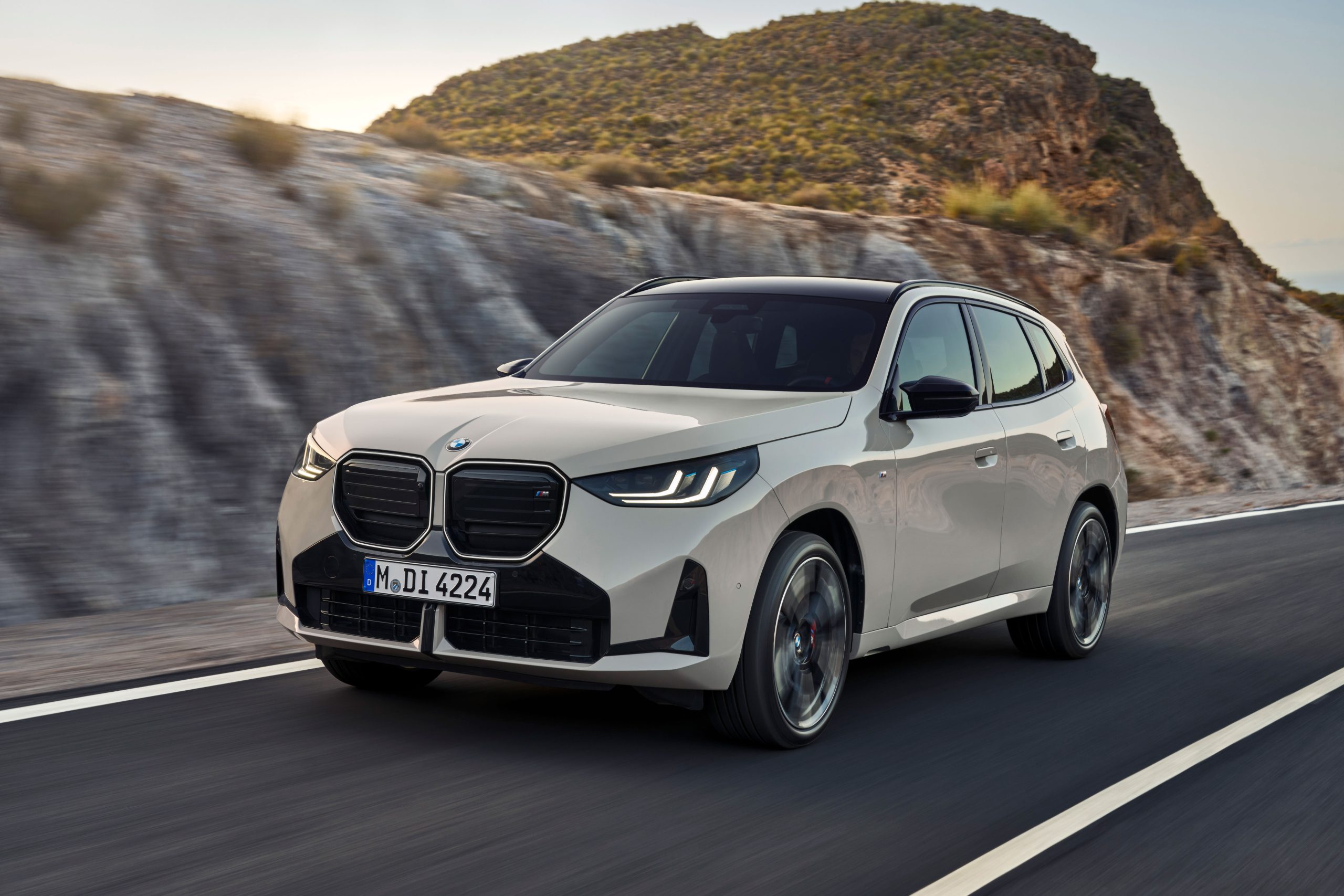
Technical comparison between the electrified BMW X3 and Audi Q5 in Spain, with official data on power, consumption and indicative prices to help you decide which premium SUV makes more sense in 2024-2025.
The mid-size premium SUV segment is arguably the most fiercely contested in Europe. And within it, two names attract most of the media and commercial spotlight: the BMW X3 and the Audi Q5. Both embody electrification as an evolution rather than a revolution, and both reach Spanish dealerships with 48 V mild-hybrid powertrains that combine petrol and electric assistance. The inevitable question is which of the two strikes the better balance between technology, dynamics and running cost.
Two German rivals face to face
The rivalry between Munich and Ingolstadt is nothing new, but the current generation raises the bar. The all-new BMW X3 G45 features a more angular design, a cabin dominated by the twin curved display and the latest iteration of iDrive. The Audi Q5, for its part, keeps the brand’s formal design language with a more restrained execution and a cabin centred on the MMI touch system. Neither is a radical car: both target the customer who wants a practical family SUV, with an ECO label on their mild-hybrid variants and a clearly recognisable brand identity.
BMW X3 20i xDrive from approximately €65,100
The BMW X3 20i xDrive uses a 2.0-litre four-cylinder petrol engine assisted by a 48 V mild-hybrid system, capable of delivering around 210 CV. The xDrive all-wheel drive and the eight-speed Steptronic gearbox form a recognisable package: tuned for a sportier feel in steering and suspension, with dynamic behaviour that still sets the benchmark in the segment. Inside, the generational leap is notable: the 12.3 + 14.9-inch curved display centralises all information under the new iDrive with QuickSelect, and the haptic climate controls add a modern touch, although they lose some immediacy compared with traditional physical controls.
| Power kW | Power CV | Top speed | Range | Consumption | Label | Fuel |
|---|---|---|---|---|---|---|
| 150 kW | 208 CV | 220 km/h | ≈900 km | 7 l/100 km | ECO | Petrol mild hybrid |
Audi Q5 TFSI 204 Advanced from approximately €63,000
The Audi Q5 TFSI 204 also relies on a 2.0 TFSI with 48 V light hybridisation, ultra quattro all-wheel drive (which disconnects the rear axle when it is not needed, to optimise consumption) and the seven-speed S tronic dual-clutch gearbox. The philosophy is slightly different: the Q5 prioritises a sense of refinement over dynamic sharpness, with exemplary sound insulation and a very carefully engineered feel to its controls. Its digital approach centres on the MMI touch and a Virtual Cockpit that remains a visual benchmark, with a gentler learning curve than the most recent iDrive.
| Power kW | Power CV | Top speed | Range | Consumption | Label | Fuel |
|---|---|---|---|---|---|---|
| 150 kW | 204 CV | 230 km/h | ≈950 km | 6.5 l/100 km | ECO | Petrol mild hybrid |
Technology, traction and dynamics: where the difference lies
On the technology front, the iDrive vs MMI comparison defines the character of each car. The BMW offers a more sophisticated system, with AI assistant and deep configuration, while the Audi opts for a more direct interface with fewer layers. In terms of traction, the X3’s xDrive is permanent with variable distribution, more effective on difficult surfaces, whereas the Q5’s ultra quattro prioritises efficiency by disconnecting the rear axle. Dynamically, the BMW conveys more poise and precision; the Audi offers greater ride comfort and a lower noise level at motorway speeds.
Summary table and verdict
The prices shown are the manufacturer’s recommended retail prices, without accounting for discounts, sales campaigns or current aid.
| Model | CV | Consumption | CO₂ | Traction | Price from | Technology | Dynamics | Efficiency | Overall score |
|---|---|---|---|---|---|---|---|---|---|
| BMW X3 20i xDrive | 208 | 7 l | 160 g/km | xDrive | ≈€65,100 | 9 | 9 | 7.5 | 8.5 |
| Audi Q5 TFSI 204 | 200 | 6.5 l | 150 g/km | ultra quattro | ≈€63,000 | 8.5 | 8 | 8.5 | 8.4 |
Conclusion: which one to choose?
If the priority is driving pleasure, a more advanced technological interface and more effective all-wheel drive, the BMW X3 remains the dynamic benchmark of the segment. If refinement matters most, slightly lower consumption, a marginally lower indicative price and a more accessible digital experience, the Audi Q5 strikes the better overall balance.
Two different approaches to the electrified premium SUV in Spain, both with an ECO label and both with more than enough arguments to justify the investment.
Frequently asked questions
Which environmental label do the BMW X3 and the Audi Q5 mild hybrids carry?
Both models, in their petrol versions with 48 V light hybridisation, obtain the DGT ECO label, which allows them to drive without restrictions in the current low-emission zones of cities such as Madrid or Barcelona.
Which consumes less in real-world use, the BMW X3 or the Audi Q5?
On paper, the Audi Q5 TFSI 204 declares a lower average consumption (≈6.5 l/100 km versus ≈7 l/100 km for the X3), partly thanks to the ultra quattro system that disconnects the rear axle. In real use the difference narrows and depends largely on driving style.
What are the differences between xDrive and ultra quattro?
xDrive is a permanent all-wheel drive system with variable torque distribution, optimised for dynamics and grip. Ultra quattro is an on-demand all-wheel drive system that prioritises efficiency by disconnecting the rear axle when it is not needed.
Which offers the better equipment-to-price ratio in Spain?
The Audi Q5 TFSI 204 Advanced starts from a slightly lower indicative RRP than the BMW X3 20i xDrive and offers a very complete standard specification. The BMW makes up for it with more advanced infotainment technology. The choice depends on what the buyer values most.
Technical specifications of this car


 Peugeot E-208 GTi: a battery-powered toy that revives the spirit of the 1980s sports cars
 New Lexus ES: luxury grows and goes electric
 First contact with the Dacia Sandero Hybrid 155: power and efficiency from €19,890
Deja un comentario