C5 Aircross Citroen HS MG Hybrid Cars Comparisons Tests
Citroën C5 Aircross Hybrid vs MG HS PHEV: which performs better in real-world use
 Iván Navarro
24 May 2026
5 min.
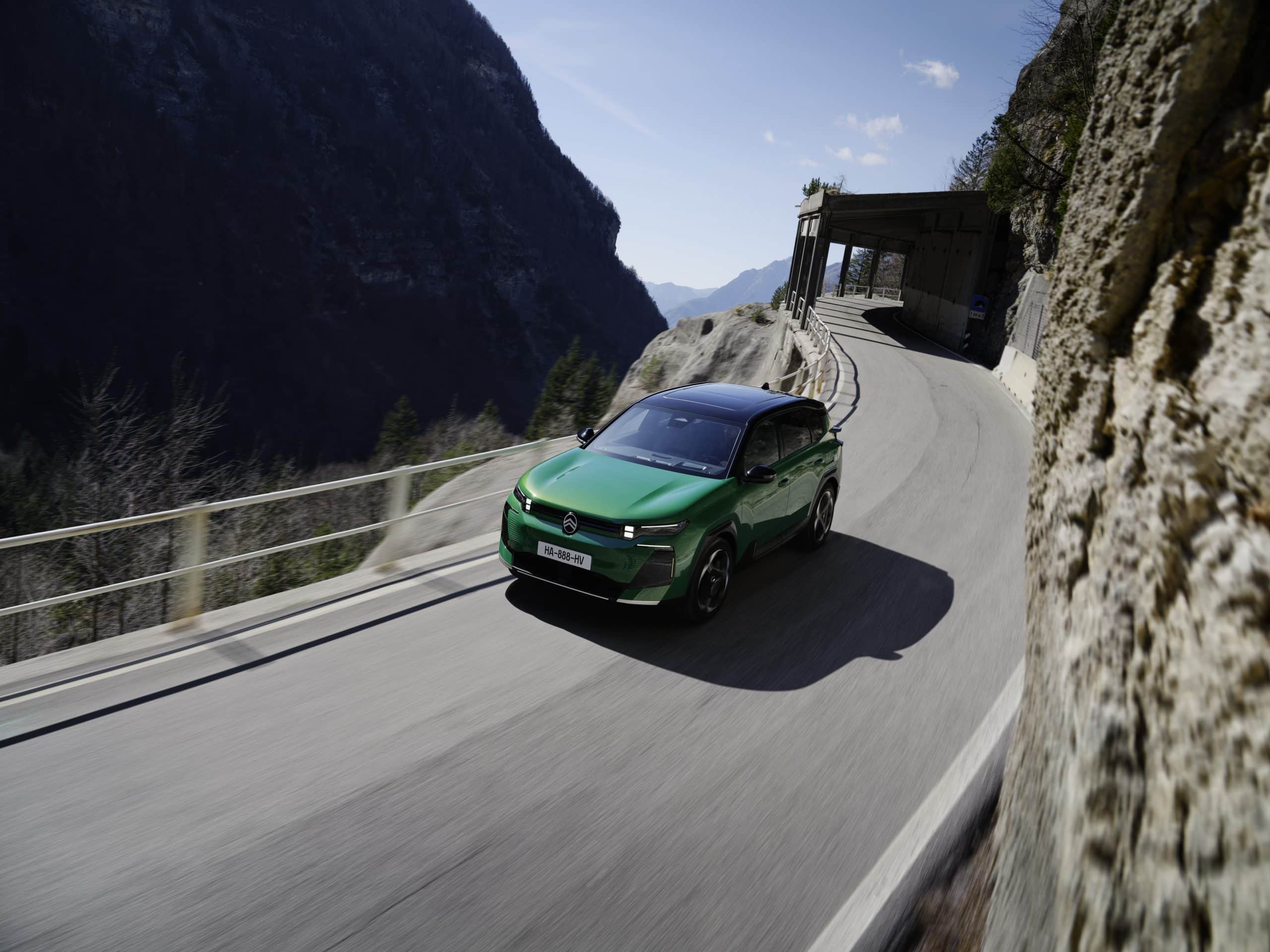
Premium comparison between the Citroën C5 Aircross Hybrid and the MG HS PHEV: we analyse real consumption, electric range, comfort and value for money to decide which plug-in hybrid SUV best suits a Spanish family.
The plug-in hybrid SUV segment is booming in Spain. Traditional brands are facing newcomers with aggressive pricing and equipment, and the average buyer no longer settles for homologation figures: they want to know what happens when the car leaves the dealership and enters daily routine.
In this comparison we pit two benchmarks of the affordable family PHEV segment against each other: the Citroën C5 Aircross Hybrid and the MG HS PHEV. Two different philosophies for the same need.
Context: the family plug-in hybrid SUV in Spain
The C-SUV PHEV has become the sweet spot of the market: zero-emission label, tax advantages, enough electric range for everyday urban driving and a combustion engine for long journeys. Competition is fierce, with Hyundai consolidating the Tucson PHEV as a reference, EBRO entering strongly with its s700 PHEV, and the emerging pressure from Changan Deepal, Geely and Volvo’s premium electrification redefining the benchmark.
Citroën C5 Aircross Hybrid: the French bet on comfort (from ~38,000 €)
The Citroën C5 Aircross Hybrid carries a key word in its DNA: comfort. Suspension with progressive hydraulic bump stops, Advanced Comfort seats and carefully engineered soundproofing make it one of the most relaxing SUVs in its segment. Its PHEV system combines the 1.6 PureTech with an electric motor for a combined output of around 180 CV and a homologated electric range close to 55 km WLTP.
Citroën prioritises the feeling of travel over headline figures. The e-EAT8 gearbox shifts smoothly and the transition between petrol and electric is well executed. In electric mode, the C5 Aircross works as a quiet city car; on the road, its ride comfort remains a benchmark.
| Power kW | Power CV | Top speed | Electric range | Consumption | Label | Fuel |
|---|---|---|---|---|---|---|
| 133 kW | 180 CV | 225 km/h | ~55 km WLTP | 1.3 L/100 km | ZERO | PHEV |
MG HS PHEV: record power and electric range (from ~37,000 €)
The MG HS PHEV arrives with a striking proposition on paper: 339 CV combined, 103 km WLTP of electric range and an indicative price starting at 37,000 € in the Comfort trim. Figures that, two years ago, seemed reserved for premium SUVs costing twice as much.
The secret lies in a 21.4 kWh battery — practically double that of many European rivals — and a hybrid system that prioritises electric operation. In real use, the HS PHEV delivers around 85-90 km of effective electric driving, meaning many users can go weeks without visiting a petrol station if they charge at home.
| Power kW | Power CV | Top speed | Electric range | Consumption | Label | Fuel |
|---|---|---|---|---|---|---|
| 249 kW | 339 CV | 200 km/h | 103 km WLTP | 0.54 L/100 km | ZERO | PHEV |
Real consumption: the decisive factor
This is where the battle tips. On mixed journeys with a charged battery, the MG HS PHEV runs between 1.5 and 2.5 L/100 km in real conditions for a driver who keeps the battery charged. The Citroën C5 Aircross Hybrid, with a smaller battery, sits at around 2.5-3.5 L/100 km in similar conditions. Without battery power, the French car holds its composure better (6.5-7 L/100 km versus 7.5-8 L/100 km for the MG, penalised by its greater weight).
Electric range in daily life
Here the MG takes the lead. Those 85-90 real km cover virtually any daily commute, even for someone living on the outskirts. The C5 Aircross Hybrid manages 40-45 real km: enough for urban use, tight for anyone driving 60 km to work. If you have easy access to a plug, the MG changes the game.
Comfort and dynamics: two opposing philosophies
The Citroën wins on bump absorption, interior quietness and a relaxed driving position. The MG, with its 339 CV thrust, offers almost sporty sensations, although its suspension tuning is firmer and the steering less subtle. For long family journeys, the C5 Aircross still shows its strength: covering distance without fatigue.
Equipment and perceived quality
MG surprises with a generous level of equipment: a 12.3-inch central screen, panoramic roof, heated seats and a complete ADAS package even from the base trim. Citroën responds with more carefully chosen cabin materials and more refined ergonomics, although the options list grows faster on the final invoice.
Alternatives: how the rivals compare
The Hyundai Tucson PHEV (~265 CV, ~62 km electric WLTP, from approx. 40,000 €) is the most balanced option in the segment, backed by Hyundai’s well-established after-sales network. The EBRO s700 PHEV offers an interesting alternative with 347 CV and 90 km WLTP, starting from an indicative RRP close to 37,700 €.
| Power kW | Power CV | Top speed | Electric range | Consumption | Label | Fuel |
|---|---|---|---|---|---|---|
| 255 kW | 347 CV | 180 km/h | 90 km WLTP | 0.8 L/100 km | ZERO | PHEV |
Verdict: which performs better in real use?
If your priority is minimising consumption and making the most of electric mode, the MG HS PHEV is objectively superior: more battery, more range, more power and a competitive indicative price. If you value ride comfort, refinement and the travel experience, the Citroën C5 Aircross Hybrid remains one of the most complete offerings on the French market.
FAQ
Which has better real electric range, the C5 Aircross Hybrid or the MG HS PHEV?
The MG HS PHEV offers between 85 and 90 real km thanks to its 21.4 kWh battery, compared with the 40-45 real km of the Citroën C5 Aircross Hybrid.
Which PHEV SUV offers the best value for money in Spain?
The MG HS PHEV stands out with 339 CV and 103 km WLTP from around 37,000 € indicative. EBRO s700 PHEV and Hyundai Tucson PHEV are balanced alternatives in the same range.
Is a PHEV worth it if I don’t have a charging point at home?
Without regular charging, a PHEV loses much of its efficiency. In that case a conventional hybrid, such as Hyundai or EBRO offerings with an HEV system, makes more sense.
Which brands will put the most pressure on the PHEV segment in the coming months?
Changan Deepal, Geely and MG’s expansion are the main emerging players, while Volvo and Hyundai are consolidating their premium electrified offering in Spain.
Technical specifications of this car
 Peugeot E-208 GTi: a battery-powered toy that revives the spirit of the 1980s sports cars
 New Lexus ES: luxury grows and goes electric
 First contact with the Dacia Sandero Hybrid 155: power and efficiency from €19,890
Deja un comentario