Dacia Duster Hybrid Cars Comparisons SUV
Dacia Duster Hybrid vs Suzuki Vitara: which is the most sensible compact hybrid SUV for under €25,000?
 Iván Navarro
15 June 2026
5 min.
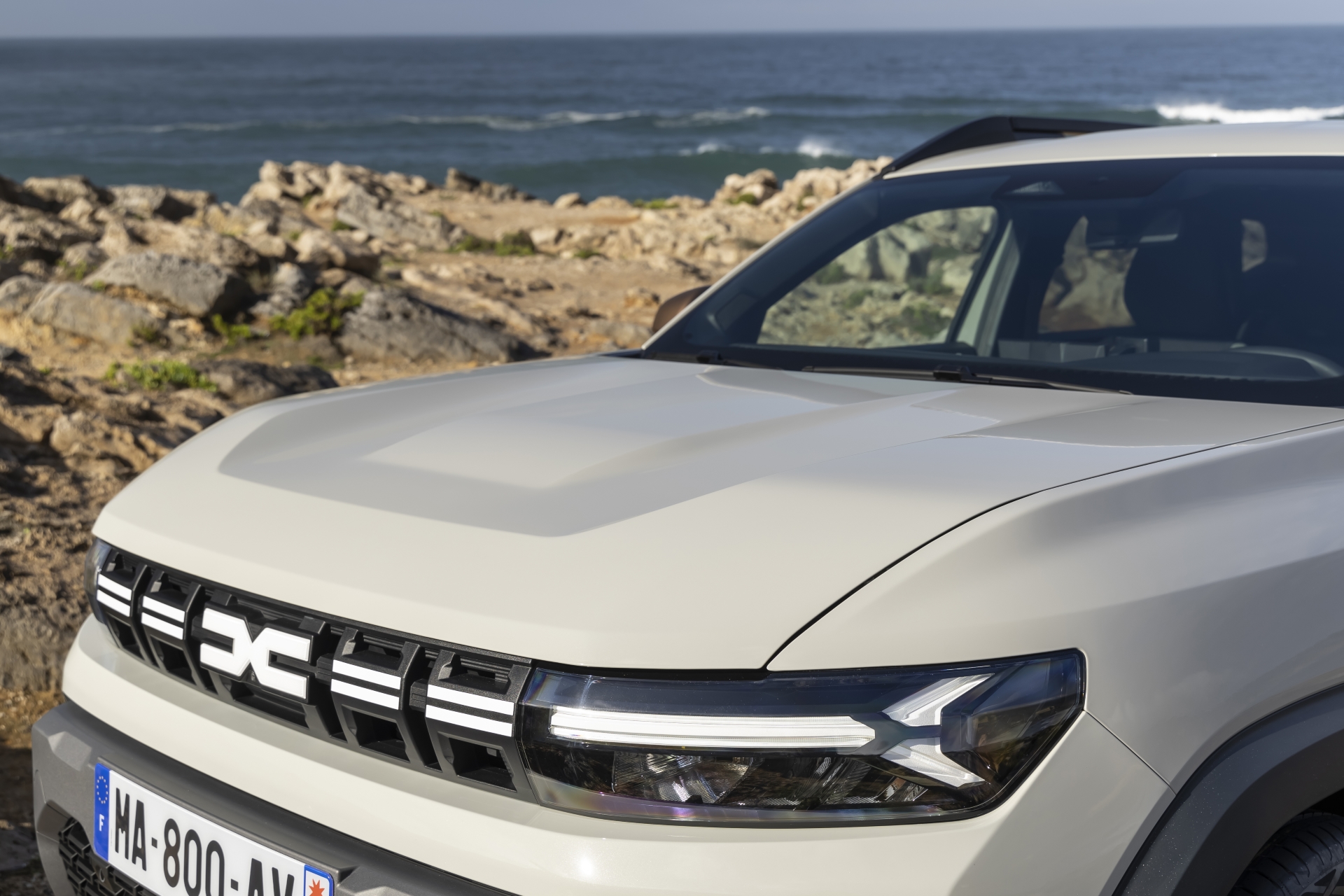
We compare the Dacia Duster Hybrid 140 and the Suzuki Vitara Mild Hybrid 110 to decide which compact hybrid SUV offers the most practical value in Spain below the €25,000 psychological barrier.
The compact SUV segment is going through an interesting moment. The label affordable hybrid has become an almost mandatory selling point, but behind the word lie very different technologies and prices that rarely match the advertising headline. The duel between the Dacia Duster Hybrid and the Suzuki Vitara is probably the most honest one a rational buyer can consider today: two SUVs of moderate size, proven reliability and radically opposed approaches to electrification.
Before getting into the details, a necessary clarification: although compact hybrid SUVs under €25,000 are popularly discussed, the official RRPs of both models sit around €27,800-27,900. The €25,000 figure only appears with entry versions, campaign discounts and one-off dealer offers. The prices used here are the manufacturer’s recommended retail prices, without considering current promotions or purchase incentives.
Two opposing hybrid philosophies in the same segment
The Duster uses a full hybrid system inherited from the Renault-Nissan alliance: two electric motors, a 1.2 kWh battery and a multimode gearbox without a clutch that allows it to start and drive in pure electric mode in the city for significant stretches. The Vitara, by contrast, relies on a 48V mild hybrid paired with its classic 1.4 BoosterJet turbo: the electric motor assists, it does not propel the car on its own.
The difference translates into something as tangible as the DGT environmental label. The Duster Hybrid 140 displays the ECO badge, with everything that entails in regulated parking and low-emission zones. The Vitara Mild Hybrid is limited to label C, an increasingly relevant restriction in large Spanish cities.
Dacia Duster Hybrid 140 from approximately €27,800
The new Duster has made an obvious qualitative leap. The CMF-B platform, Starkle recycled plastics and an interior with a 10-inch screen move it away from the austere Dacia of a decade ago. The Hybrid 140 powertrain combines a 1.6 naturally aspirated engine with two electric motors to deliver 140 CV combined and a homologated consumption of around 5 l/100 km, thanks largely to its ability to run on electric power up to 80% of the time in urban use.
It is not quick—the multimode gearbox prioritises efficiency over response—and it loses the full traction available on other Duster variants, but as a family tool for mixed use it is hard to beat on value for money.
| Power kW | Power CV | Top speed | Range | Consumption | Label | Fuel |
|---|---|---|---|---|---|---|
| ≈100 kW | ≈140 CV | ≈160 km/h | ≈1,000 km | ≈5 l/100 km | ECO | Hybrid |
Suzuki Vitara Mild Hybrid 110 from approximately €27,900
The Vitara is a survivor. It has been on the market since 2015 with occasional updates, and that maturity is precisely one of its arguments: a known powertrain, proven reliability and a Suzuki network that stands out in after-sales surveys. The 1.4 BoosterJet with 48V mild hybridisation delivers 129 CV combined—it is usually marketed as the 1.4T 110/129 depending on the version—and solid torque from low revs.
Its homologated consumption is around 5.5 l/100 km, a consistent figure but clearly above the Duster in urban cycle, where the French car’s full hybrid stands out. In return, the Suzuki offers a more spirited driving feel, a manual gearbox option and the AllGrip all-wheel-drive option, which the Duster Hybrid does not have.
| Power kW | Power CV | Top speed | Range | Consumption | Label | Fuel |
|---|---|---|---|---|---|---|
| ≈80 kW | ≈110 CV | ≈180 km/h | ≈900 km | ≈5.5 l/100 km | C | Mild hybrid |
Real-world consumption and running costs: the battle is decided in town
On the motorway both hover around 6 l/100 km in real conditions. The gap widens in town: the Duster Hybrid can comfortably drop below 5 l/100 km, while the Vitara sits between 6.5 and 7 l/100 km in heavy urban use. At 15,000 km a year, that is an approximate saving of €250-300 per year in favour of the Dacia.
Practicality, boot and life on board
The Duster grows to 4.34 m and offers a 472-litre boot in the Hybrid version (the battery takes some space away compared with the petrol). The Vitara, at 4.17 m, stays at 289 litres, a modest figure for the segment. For families, the Dacia plays in a different league when it comes to interior space.
Dacia Duster vs Suzuki Vitara: summary table
| Model | CV | Consumption | Label | Boot | Starting price | Score |
|---|---|---|---|---|---|---|
| Dacia Duster Hybrid 140 | 140 | ≈5 l/100 | ECO | 472 l | ≈€27,800 | 8.5/10 |
| Suzuki Vitara 1.4 MHEV | 129 | ≈5.5 l/100 | C | 289 l | ≈€27,900 | 7.3/10 |
Verdict: which is the best sensible hybrid SUV
For the average Spanish buyer looking for a hybrid SUV with good value for money, the Duster Hybrid is objectively the most sensible choice: ECO label, lower urban consumption, more space and genuine hybrid technology. The Vitara keeps its niche—available all-wheel drive, legendary reliability, livelier dynamics—but it is no longer the efficiency benchmark it once was.
Frequently asked questions
Can you really buy a Duster Hybrid or a Vitara for less than €25,000?
Only with dealer discounts, one-off campaigns or manufacturer financing. The official RRP of both sits around €27,800-27,900.
Is the Duster’s ECO label worth it compared with the Vitara’s C label?
In large cities with an active low-emission zone (ZBE), clearly yes. It grants access to restricted areas and discounts on regulated parking.
Which hybrid consumes less in real use?
The Duster Hybrid, especially in town, where its ability to run on electric power makes the difference. On the motorway the figures level out.
Which holds its value better?
Historically the Suzuki Vitara retains a very solid residual value. The new Duster does not yet have a long track record, but strong demand points to contained depreciation.
Technical specifications of this car


 Peugeot E-208 GTi: a battery-powered toy that revives the spirit of the 1980s sports cars
 New Lexus ES: luxury grows and goes electric
 First contact with the Dacia Sandero Hybrid 155: power and efficiency from €19,890
Deja un comentario