Dacia Spring Electric Electric Cars Comparisons Urban
Dacia Spring vs Leapmotor T03: the duel of the most affordable electric city cars on the Spanish market
 Iván Navarro
4 June 2026
4 min.
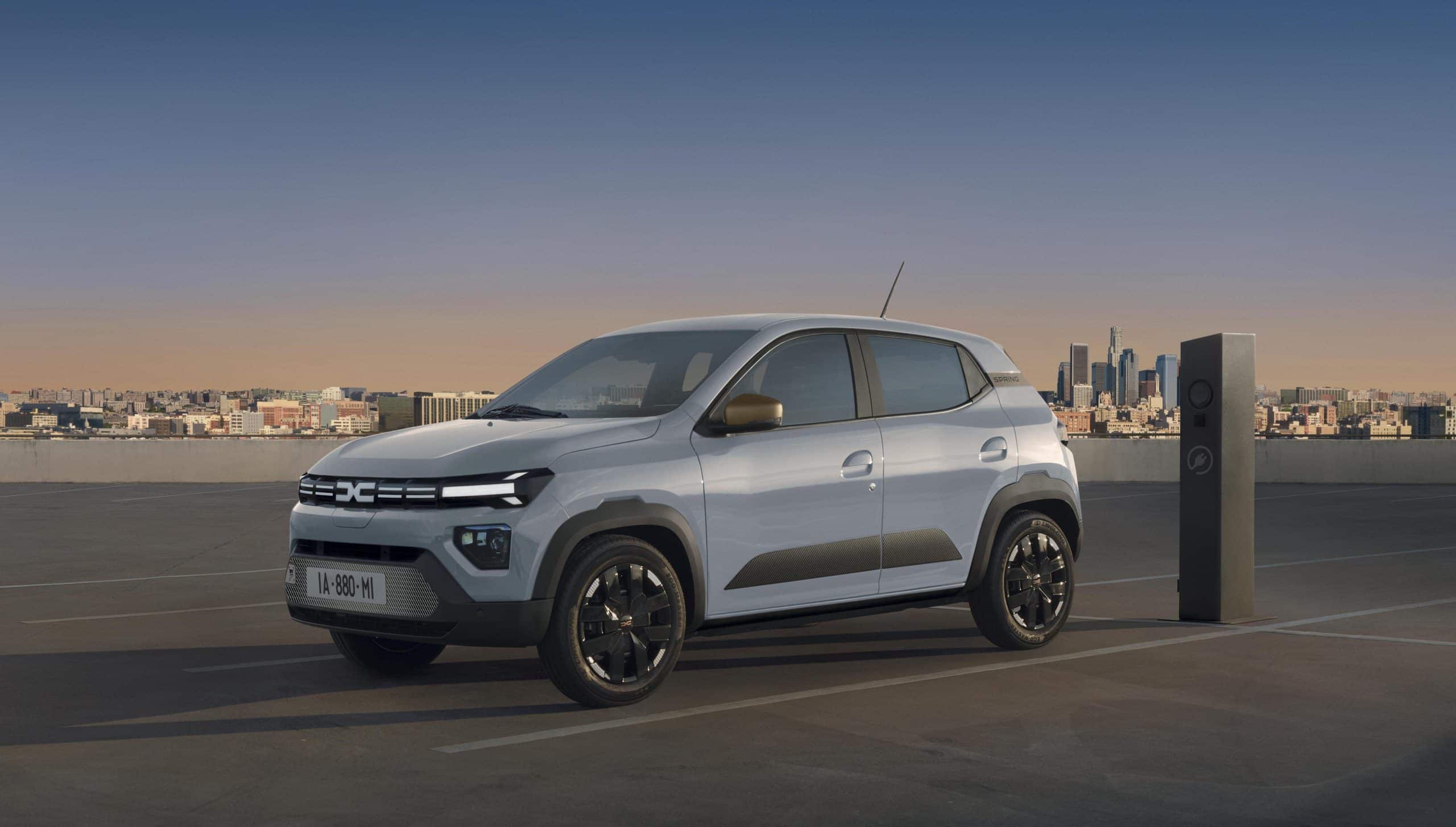
The definitive comparison between the Dacia Spring and the Leapmotor T03, the two cheapest electric city cars on sale in Spain. We analyse power, range, battery and price to decide which one offers the better value for money.
Affordable electric mobility is at a decisive moment in Spain. For the first time, two zero-emission models have dropped below the psychological barrier of €20,000 RRP, opening the door to a type of buyer who until now saw the electric car as a distant luxury. The Dacia Spring vs Leapmotor T03 is, today, the most relevant duel in the city segment: two opposing philosophies that meet at the same price.
The revival of the electric city car: why do the Spring and T03 set the trend?
For years, the electric A-segment was no man’s land. Mainstream manufacturers were moving towards electric compact SUVs with prices around €35,000, leaving the urban buyer without options. The arrival of the Dacia Spring broke that ceiling, and the launch of Leapmotor —backed by Stellantis— has finally triggered real competition. Both models share DNA: a compact chassis, a 100% city focus and an indicative RRP in the same bracket.
Brand positioning: Dacia, an established value; Leapmotor, the Chinese bet backed by Stellantis
Dacia is on home ground. The Romanian brand has spent more than a decade as a synonym for sensible cars in Spain, with a very extensive dealer network and a family-style after-sales service for the average buyer. Leapmotor, by contrast, arrives with the industrial backing of Stellantis, which allows it to be distributed through the dealer network of Fiat, Opel and other group dealerships. It is a new brand, but with a safety net.
Dacia Spring from approximately €19,100
The Spring presents itself as an electric microSUV with robust lines and generous ride height. The Electric 45 version uses a motor of around 50 CV powered by a battery of roughly 27 kWh, which is homologated for close to 230 km of WLTP range. Above all, it is a car designed for the city: light (weighing just over 980 kg), agile at traffic lights and surprisingly roomy for its 3.70-metre length. Its miniature SUV styling is probably its best emotional argument.
| Power kW | Power CV | Top speed | Range | Consumption | Label | Fuel |
|---|---|---|---|---|---|---|
| ≈30 kW | ≈50 CV | ≈130 km/h | ≈230 km | ≈13.9 kWh/100 km | Zero | Electric |
Leapmotor T03 from approximately €19,500
The T03 adopts the silhouette of a classic city car, lower and more compact (3.62 metres), with rounded lines and an air reminiscent of the Japanese kei-car school. Under the bonnet, however, the figures belong to a different league: around 100 CV and a battery of roughly 37.5 kWh that translate into approximately 270 km of WLTP range. Technically, it is the more complete electric car, with a panoramic roof as standard on some trims and a technology package that surprises at this price.
| Power kW | Power CV | Top speed | Range | Consumption | Label | Fuel |
|---|---|---|---|---|---|---|
| ≈70 kW | ≈100 CV | ≈130 km/h | ≈270 km | ≈16.3 kWh/100 km | Zero | Electric |
Head-to-head technical view: power, range and battery
This is where the comparison becomes uncomfortable for the Spring. The T03 practically doubles the power§h112† (100 CV versus 50 CV), offers 40% more battery capacity (37.5 kWh versus 27 kWh) and adds roughly 40 km of extra range. For just €400 difference in indicative RRP, the numbers clearly favour the Chinese car.
The Spring counterattacks with lower weight and, therefore, better real-world efficiency in the city: it consumes fewer kWh per 100 km and is easier to manoeuvre when parking.
Indicative price and real cost of use
The prices mentioned are the manufacturer’s recommended RRP, without taking into account current offers, dealer discounts, special campaigns or subsidies.
Summary table and verdict
| Model | Power | Range | Battery | Indicative price | Score /10 |
|---|---|---|---|---|---|
| Dacia Spring | ≈50 CV | ≈230 km | ≈27 kWh | from ≈€19,100 | 7.2 |
| Leapmotor T03 | ≈100 CV | ≈270 km | ≈37.5 kWh | from ≈€19,500 | 8.1 |
In purely technical terms, the Leapmotor T03 wins the comparison: more power, more range, more battery and better equipment for a minimal price difference. The Dacia Spring, however, keeps two strategic advantages: the confidence of an established brand and a SUV-style design that appeals to a broad audience.
Which to buy according to your profile
If you prioritise figures, technology and performance per euro invested, the T03 is the rational choice. If you value dealer network, likely resale value and SUV-style design, the Spring remains a safe bet.
Frequently asked questions
What is the cheapest electric car in Spain today?
The Dacia Spring, with an indicative RRP from approximately €19,100, is slightly more affordable than the Leapmotor T03, which starts at around €19,500.
Dacia Spring or Leapmotor T03, which has more range?
The Leapmotor T03 is homologated for close to 270 km WLTP versus approximately 230 km for the Spring, thanks to a 37.5 kWh battery compared with the Dacia’s 27 kWh.
Which car has more power, the Spring or the T03?
The Leapmotor T03 practically doubles the Spring: 100 CV versus 50 CV, which translates into noticeably livelier acceleration and overtaking.
Are these cars suitable for motorway trips?
Both are limited to around 130 km/h and their real range drops considerably outside the city. They are electric cars designed for urban and suburban use; for long journeys it is worth looking at higher segments.

 Kia offers an electric range of 10 models, 50 versions and 400 possible combinations
 The seven finalists for the 2027 European Car of the Year (COTY) are exclusively electric
 Peugeot E-208 GTi: a battery-powered toy that revives the spirit of the 1980s sports cars
Deja un comentario