Driving licences with restrictions for older drivers: they allow them to keep driving
 Victor Alós Yus @sepelaci
11 September 2024
2 min.
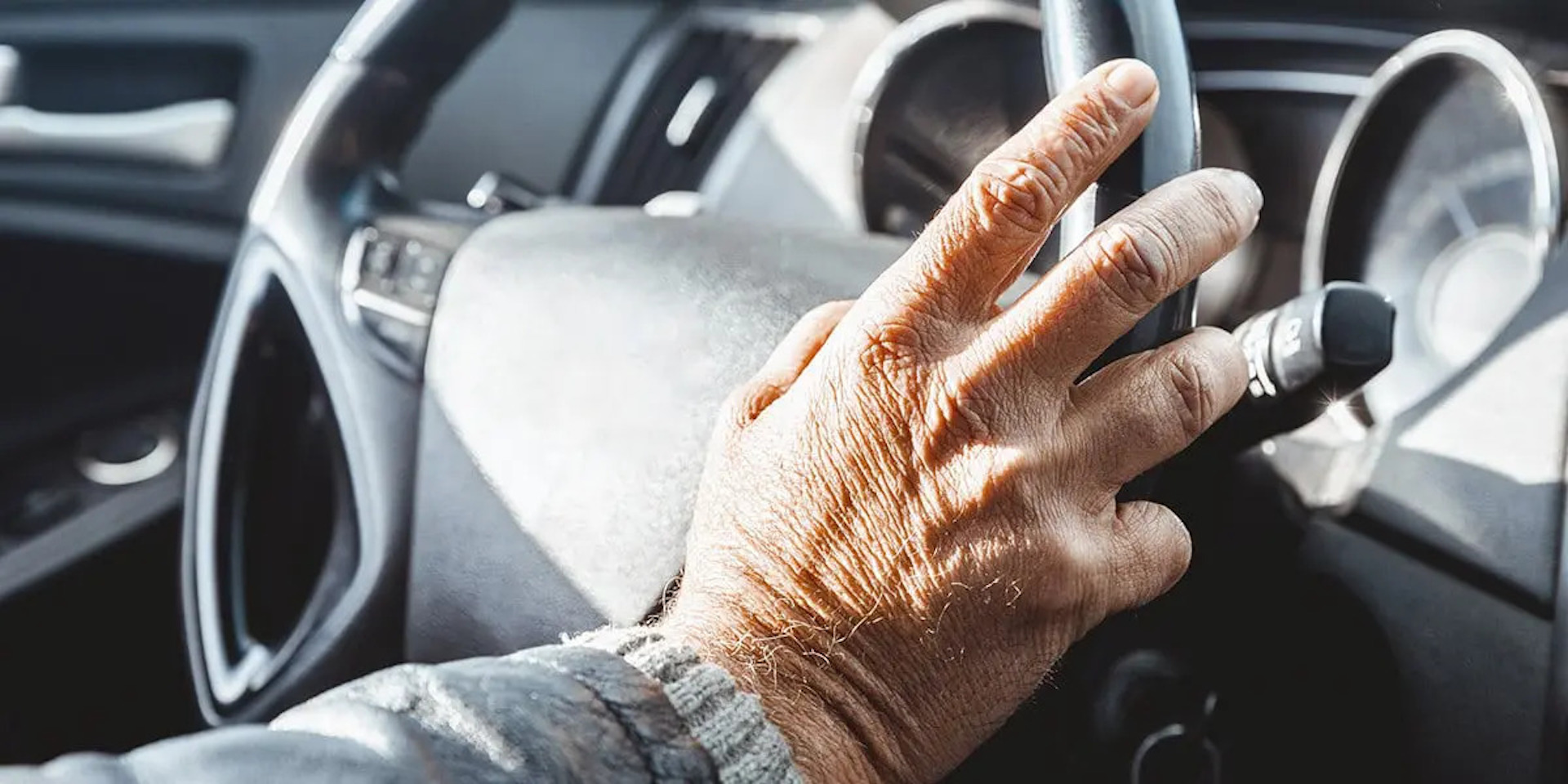
The DGT uses restricted driving licences to regulate the use of vehicles by people with health problems, a rather practical tool.
News about topics related to traffic rules and other similar matters is constantly in the spotlight. The problem is that this news is often unreliable, either because it is inaccurate or outright false. One of the stories that has emerged over the last few months is that special rules are being prepared for older drivers, those who are quite advanced in age and may have difficulty getting behind the wheel.
But wherever there is news there tends to be misinformation, and in this case, that has also happened. One of the hoaxes that has spread on the back of this story is that driving licences are going to be withdrawn from elderly people. However, this is precisely that, a hoax, because it is not true. Instead, there is a tool already in use that is helping to reduce risk without preventing these drivers from getting around.
Driving licences with restrictions, a reality
The tool the DGT is using to avoid risks and allow older drivers to keep driving their vehicles is the restricted driving licence. These restrictions are imposed according to the physical and health conditions of the holders, previously certified by a medical certificate.
These restrictions relate to eyesight, but also to general health conditions that may make driving a high-risk activity. With these medical certificates, the DGT can issue a driving licence that limits the use of the vehicle and sets other restrictions.
For example, it is possible to limit the use of the vehicle to certain times of day, for instance by prohibiting night-time driving. In other cases it may be required that the vehicle be driven together with another person who holds a driving licence. Another possible limitation is a cap on the distance that may be driven. For example, the licence may restrict driving to a radius of 30 kilometres from the holder’s home.
This last restriction applies in rural areas, where the use of a vehicle may be essential for reaching services such as the doctor or the bank, or for doing the shopping. With this tool, driving is restricted, always with the corresponding medical justification, but the holder is not deprived of the use of the vehicle under certain conditions.


 Peugeot E-208 GTi: a battery-powered toy that revives the spirit of the 1980s sports cars
 New Lexus ES: luxury grows and goes electric
 First contact with the Dacia Sandero Hybrid 155: power and efficiency from €19,890
Deja un comentario