Driving on the hard shoulder: when is it allowed and when is it not?
 Mónica Redondo @MonicaRedondoD
28 March 2019
2 min.
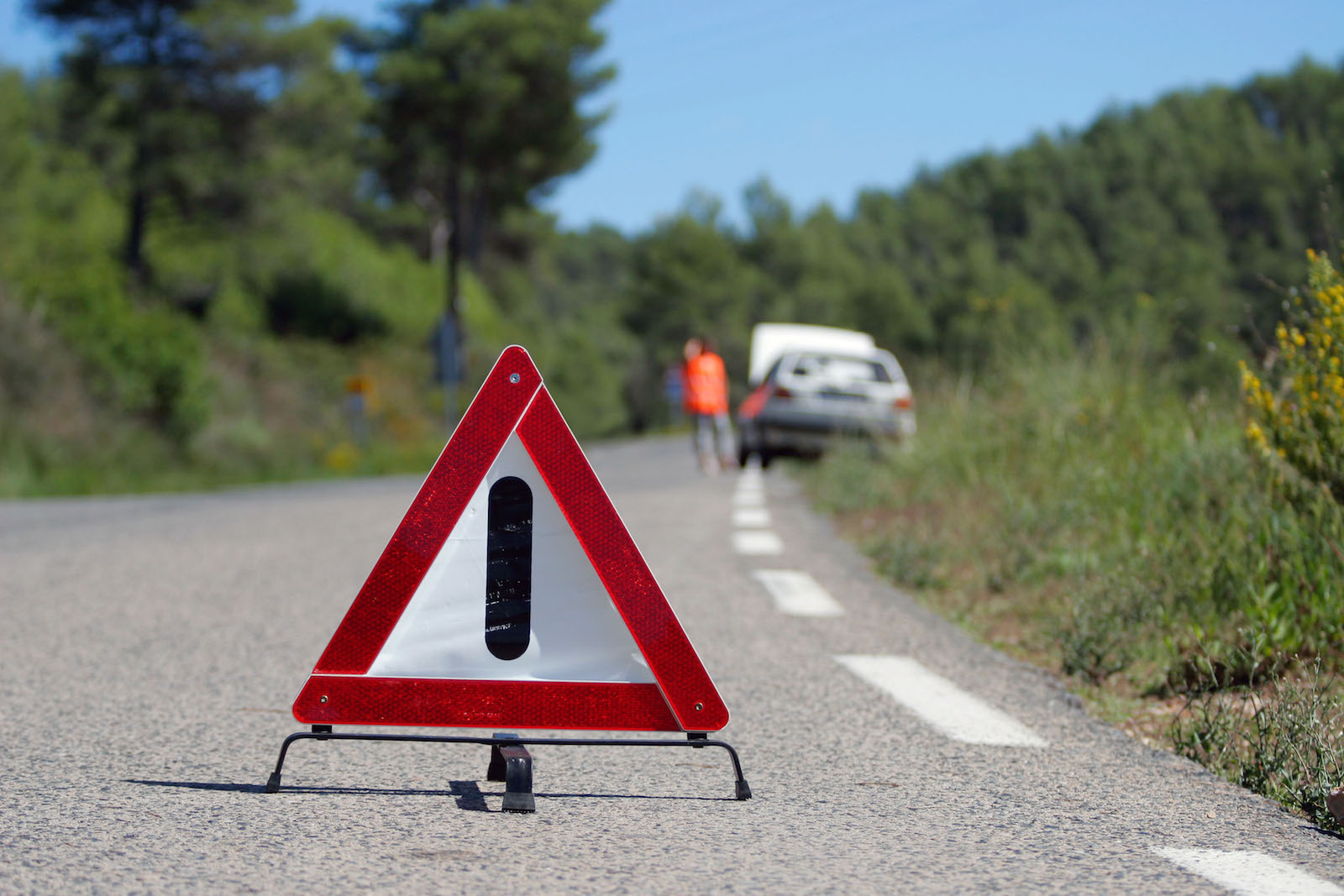
Driving on the hard shoulder is not allowed except in exceptional cases. These include animal-drawn vehicles, special vehicles, bicycles and mopeds.
When is it allowed to drive on the hard shoulder? Many users ask themselves this question every day, and according to the General Traffic Regulations, the hard shoulder is defined as the “longitudinal strip marked parallel to the carriageway, which delimits it and is not intended for traffic except in certain exceptions.”
This means that the hard shoulder, as all drivers should know, is the lane parallel to the carriageway where driving is, as a general rule, prohibited. If we stick to the regulations, driving on the hard shoulder is not permitted except in very few exceptions.
When is it allowed to drive on the hard shoulder? Which vehicles may use the hard shoulder?
As can be verified, cars, vans and motorcycles may not drive on the hard shoulder unless an additional lane has been enabled or traffic has been diverted due to roadworks. Even so, there are certain vehicles that may use the hard shoulder rather than the main lane.
This is the case for animal-drawn vehicles and special vehicles that do not exceed a maximum authorised mass of 3,500 kilograms. Bicycles, mopeds, microcars, cyclist-escort vehicles and special vehicles for people with disabilities may also use the hard shoulder.
It should be noted that vehicles may use the hard shoulder when they do not exceed 3,500 kilograms and, due to emergencies or breakdowns, would otherwise ‘obstruct’ other drivers on the carriageway. These vehicles will also travel at a reduced speed. Except for bicycles and mopeds, this type of vehicle may not travel side by side. The Directorate-General for Traffic may penalise these special vehicles, provided they fail to comply with the obligation to use the hard shoulder, with fines of up to 200 euros.
Pedestrians may also walk on the hard shoulder
Provided the carriageway allows it, pedestrians may walk on the hard shoulder. It is important to respect its condition, for drivers to keep a safe distance and maintain a speed suited to the road. In addition, pedestrians walking on the hard shoulder of roads are advised to walk facing oncoming traffic and always be clearly visible by wearing reflective clothing.
Can you stop on the hard shoulder of a road?
The answer is no, since the hard shoulder may only be used in an emergency or when driving one of the special vehicles mentioned above. If a vehicle has to stop or park due to a breakdown, it must be moved to an area where it does not obstruct traffic.


 Peugeot E-208 GTi: a battery-powered toy that revives the spirit of the 1980s sports cars
 New Lexus ES: luxury grows and goes electric
 First contact with the Dacia Sandero Hybrid 155: power and efficiency from €19,890
Deja un comentario