Volvo Electric Cars Comerciales
Electric trucks from Volvo achieve greater range and improved performance
 Victor Alós Yus @sepelaci
22 June 2023
3 min.
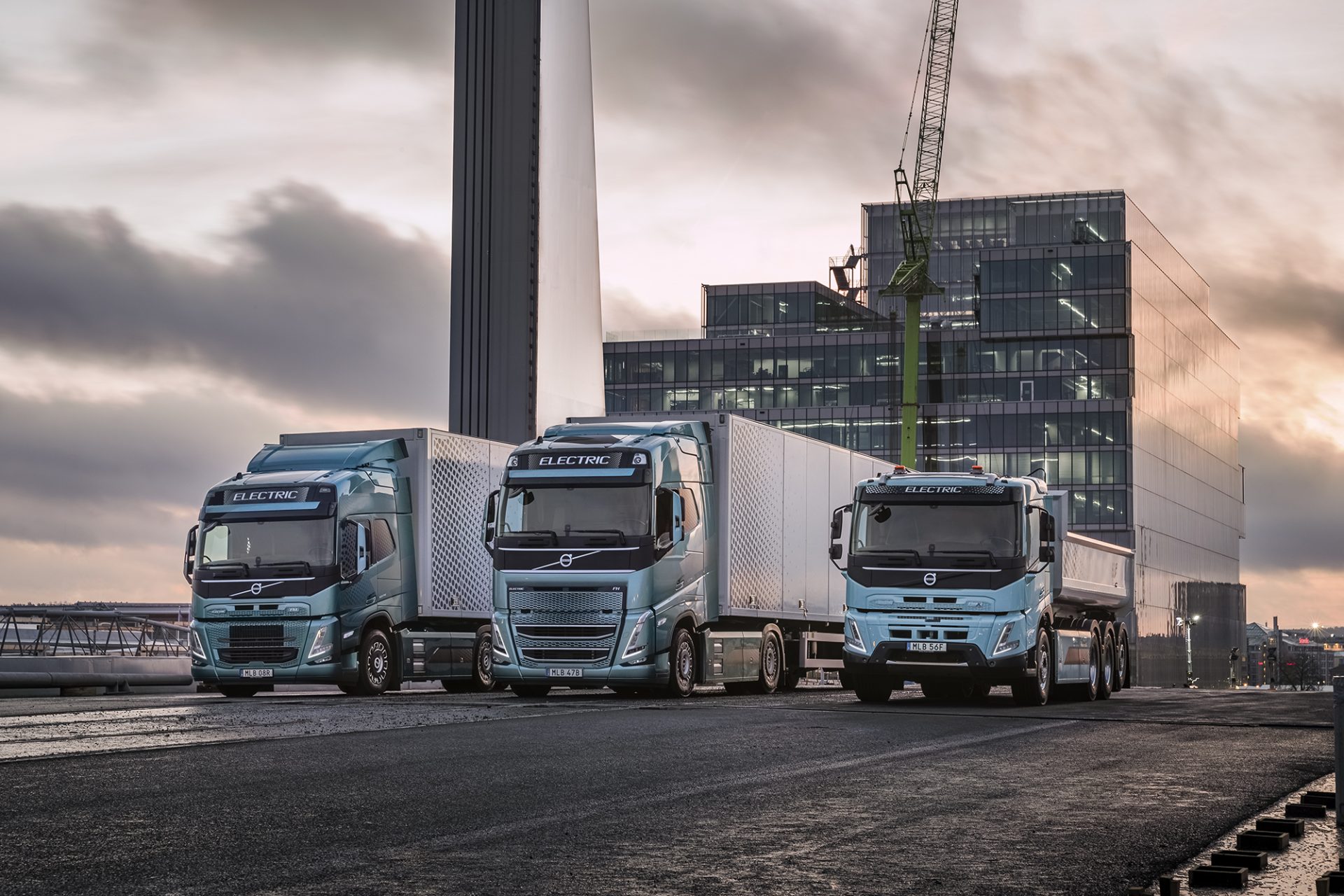
Electric trucks from Volvo now offer greater range, with a battery pack that can be complemented by modular batteries.
Freight transport is also moving closer to electric mobility. The aim is to convert heavy trucks into electric vehicles, which are more sustainable and avoid the emission of many tonnes of polluting gases into the atmosphere. Volvo Trucks has spent several years manufacturing this type of vehicle, incorporating all the improvements proposed in the sector.
In the case of the Volvo FE Electric and the Volvo FL Electric, two of the brand’s most popular and best-selling models, the range offered by their batteries has been increased. The battery packs offer up to 42% more range, but they present a problem: they weigh 500 kg.
Weight, a problem for trucks
This presents a problem, because each vehicle has a Maximum Authorised Mass (M.M.A.). Therefore, the amount of cargo these trucks can carry will be affected. For this reason, Volvo has sought to offer a solution so that the best performance can be obtained from these battery packs.
It will thus offer the possibility of fitting modular batteries, according to the needs of each truck. For example, the Volvo FL Electric has a Maximum Authorised Mass (M.M.A.) of up to 16.7 t and has a single motor, which delivers a power of 180 kW, equivalent to 245 CV. To ensure the most suitable load, it can be fitted with from three batteries, with a total capacity of 280 kWh. The maximum it can be fitted with is six batteries, with a total of 565 kWh.
Its range varies between 280 and 450 kilometres, depending on the batteries fitted.
In the case of the Volvo FE Electric, it has an M.M.A. of up to 27 t. In this case, it can be fitted with 3 to 4 batteries. This allows it to have a capacity of between 280 and 375 kWh and a range of between 200 and 275 kilometres. In this case it has two motors and can also be used with a PTO system. This refers to the hydraulic presses fitted to urban waste collection trucks, concrete mixers and other elements that consume electricity from the batteries to operate. In this case, the range is considerably reduced.
The number of batteries that can be fitted to the vehicle allows the truck’s load capacity to be increased or reduced. Thus, it is possible to design the truck’s battery equipment according to the load and range requirements in each case. What is interesting is that with a battery pack of the same weight as a few years ago, greater range can now be achieved.
Volvo Trucks expects that by 2030, half of the vehicles sold under its brand will be electric, which will represent considerable progress for the adoption of electric mobility in heavy freight transport as well.


 Peugeot E-208 GTi: a battery-powered toy that revives the spirit of the 1980s sports cars
 New Lexus ES: luxury grows and goes electric
 First contact with the Dacia Sandero Hybrid 155: power and efficiency from €19,890
Deja un comentario