Fines in 2026: The offences that are penalising drivers the most
 Iván Navarro
23 March 2026
3 min.
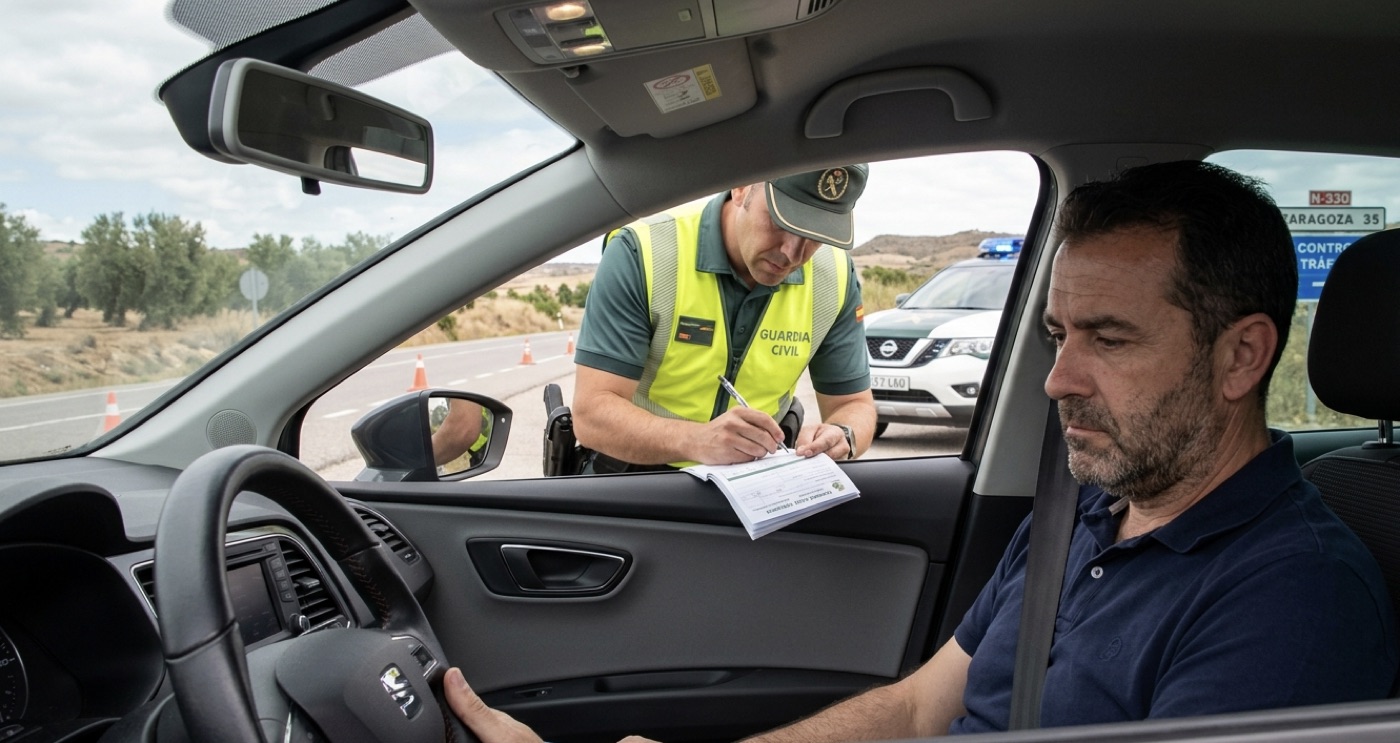
Be careful if you use your mobile phone while driving: this is the offence that has generated the most fines since the start of 2026.
Did you know that since 01/01/2026 several penalties are being applied more strictly and can reach up to €600 without a quick appeal? Here is what you need to know to avoid the fine and not waste time (or money).
The DGT and the town councils have tightened controls: more cameras, more automatic checks and surveillance focused on behaviour that poses a real risk.
This is not rhetoric: the figures show that penalties for mobile phone use, seat belts and speeding still account for the largest number of cases in 2026.
What you need to know
- Key date: most of the changes came into force on 01/01/2026.
- Phone use: it remains the most penalised behaviour; the standard fine is €200.
- Speeding: there are now tiered penalty bands; in one of the ranges the penalty can rise to €600.
- Seat belt and child restraint systems: failing to wear a seat belt or use a child restraint system is penalised with €200.
- Alcohol and drugs: administrative penalties start at €1,000 in many cases, along with licence withdrawal.
Be very careful!
Below you will find the offences that are penalising drivers the most in 2026 and the amount applied under the new regulations.
| Using a mobile phone while driving | €200 | 01/01/2026 | Cameras and direct image-based reports increased |
| Not wearing a seat belt / child restraint | €200 | 01/01/2026 | Automatic and officer-based control — rear seat checks included |
| Speeding: +1-20 km/h | €100 | 01/01/2026 | Immediate fines from mobile speed cameras |
| Speeding: +21-30 km/h | €300 | 01/01/2026 | Increased enforcement on sensitive urban stretches |
| Speeding: +31 km/h or more | €600 | 01/01/2026 | On interurban roads and motorways, maximum administrative penalty |
| Driving under the influence (alcohol/drugs) | From €1,000 | 01/01/2026 | Administrative penalties and possible criminal proceedings |
| Driving in a BUS/HOV lane improperly | €200 | 01/01/2026 | Video-based controls and direct penalty |
Practical tips, driver to driver
- Turn off notifications when you drive and put your phone in ‘Do Not Disturb’ mode or in the glovebox.
- Check that any children are properly secured and that adult passengers are wearing their seat belts before setting off: the fine is quick, and excuses won’t work with the cameras.
- Plan your route and speed on motorways; mobile and section speed cameras are operating more frequently.
- Don’t drive if you’ve been drinking: getting home after the party costs far more than a taxi.
What is going to change in the coming months?
Expect greater integration between municipal cameras and the DGT, automatic reading of road signs and more sensitive radars during peak hours. This means more real-time fines and less room to appeal on the grounds of ignorance.
Final conclusion
The trend is clear: technological control plus tougher regulation. If you adjust three habits (phone, seat belt and speed) you will drastically reduce the risk of a penalty in 2026. Stay informed and check your DGT notifications; what is today an administrative penalty can become complicated if it ends up in criminal proceedings.


 Peugeot E-208 GTi: a battery-powered toy that revives the spirit of the 1980s sports cars
 New Lexus ES: luxury grows and goes electric
 First contact with the Dacia Sandero Hybrid 155: power and efficiency from €19,890
Deja un comentario