Futuristic design and advanced technology in the Hyundai Ioniq 5
 Iván Navarro
14 March 2026
8 min.
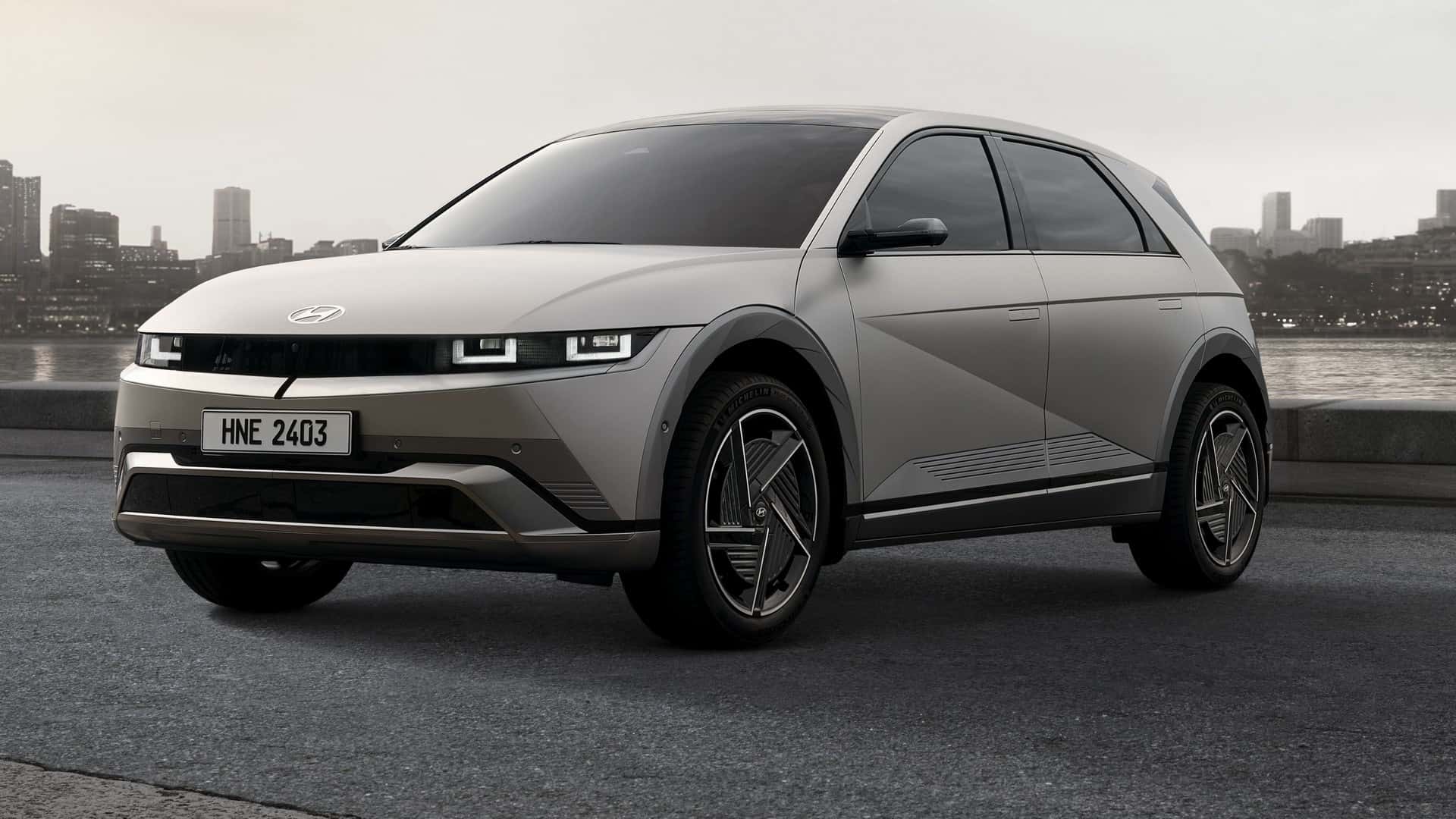
The Hyundai IONIQ 5 is one of the vehicles that draws the most attention with its futuristic styling, but it is also one of the most technologically advanced, standing out for its 800V architecture, which is uncommon among rivals in its segment.
Designed on the modular E-GMP electric platform, the Hyundai Ioniq 5 combines an advanced architecture with practical solutions aimed at modern driving; its tuning seeks to balance a competitive claimed range, high power in dual-motor versions and a distinctive interior proposal. Prices start at 44,000 euros (without subsidies or discounts), with configurations that can raise the figure depending on trim and powertrain.
Key figures include a WLTP range of around 481 km in the highest-capacity version, combined output in the AWD variants that can reach 325 CV, and a battery pack of between 58 and 77.4 kWh depending on the version. Does this electric architecture deliver its range in mixed driving? Does the equipment-to-price ratio justify it against similar models? How does its design approach translate into everyday practicality and usability? Real-world figures, on-road behaviour and running costs are examined below to assess its practical and economic fit.
The essentials of the Hyundai Ioniq 5
The Hyundai Ioniq 5 is an electric proposition that bets on a bold design and a modern technical base. It is worth considering if you prioritise a spacious interior with advanced technology and expect a real-world range close to WLTP in mixed use; it loses appeal against cheaper alternatives if maximum efficiency per kilometre is the main goal. Its balanced blend of comfort, technology and performance makes it a solid option for those who value style and functionality above the lowest initial cost.
Technical specifications and key features
| Powertrain | 100% electric (RWD / AWD) |
| Power | Up to 325 CV combined (AWD) |
| WLTP range | Approx. 481 km (77.4 kWh version, RWD) |
| Battery / Capacity | 77.4 kWh (optional 58 kWh version) |
| Homologated consumption | Approx. 16.5 kWh/100 km (WLTP, combined) |
| 0-100 km/h acceleration | From 5.2 s (most powerful version) |
| Length | 4,635 mm |
| Boot | 531 litres |
| Price from | from 44,000 euros (without subsidies or discounts) |
Ioniq 5 sales in Spain 2025
In 2025 the compact electric segment kept public interest high, with established models still taking most of the preference. According to data published by ANFAC and registration records, the Ioniq 5 held a relevant position among mid-size electric SUVs, although behind leaders such as the Tesla Model Y. The figures reflect solid demand for well-equipped vehicles with enough range for long journeys.
| Model | 2025 sales (Spain) |
| Hyundai Ioniq 5 | 3,800 |
| Tesla Model Y | 5,200 |
| Kia EV6 | 2,600 |
| Volkswagen ID.4 | 3,000 |
Design and market positioning
The Ioniq 5’s design is a commitment to clean lines and flat surfaces that pursue a futuristic look without sacrificing functionality. It stands out for its retro-futuristic language, pixelated lights and proportions inspired by coupés on a compact SUV body. In the market it is positioned as an accessible premium alternative: more technological than traditional electric city cars, but less costly than high-end options, consolidating its appeal among buyers who value presence and aesthetic novelty.
Interior, space and technology
The interior prioritises spaciousness and versatility, thanks to an uncluttered cabin and short overhangs that favour wheelbase space. The infotainment system integrates two screens into a minimalist horizontal dashboard, with advanced connectivity, OTA updates and level 2 driver assistance. Materials and ergonomics are consistent with its price: good-quality plastics, multiple storage solutions and a driving position designed for comfort on long journeys.
Engine, real-world range and behaviour
In real conditions the range approaches the WLTP figure in efficient mixed use, although on motorway at high speed it drops noticeably. The RWD version with the 77.4 kWh battery offers the best balance between range and cost, while the AWD variant adds performance but reduces range. The handling is comfortable and predictable, with neutral steering and a suspension tuned for comfort; in dynamic situations it shows good control but does not chase extreme sporty sensations.
Charging, efficiency and running costs
The Ioniq 5 stands out for its DC charging capability, able to recover much of the battery in competitive times when using a high-performance station. Efficiency depends on driving style and conditions: with moderate driving it can deliver consumption close to the homologated figures; under intensive motorway use the cost per kilometre rises relative to more efficient alternatives. Maintenance is low compared with combustion models, although the initial investment and amortisation will depend on annual usage and the availability of home or public charging.
Price, versions and equipment
The range is organised into several versions combining batteries and drivetrains, with trim levels that add driver aids and advanced assistants, heated seats, a sound pack and options for wheels and paint. The starting price is 44,000 euros (without subsidies or discounts), with notable differences between the basic version and the most fully equipped one, which includes AWD traction and technology packs that increase equipment levels.
Purchase incentives
- Direct aid: discount applied at the dealership.
- Amount: up to 4,500 € for electric / 3,375 € for PHEV.
- Retroactivity: from 1 January 2026.
- Price limits: usually up to 45,000 €.
- Beneficiaries: private individuals, self-employed and companies.
Who this car is for
It is a suitable alternative for drivers interested in an electric vehicle with a distinctive image, a good technology level and interior space for a family or frequent travel. It suits those who value fast charging and comfort above greater sporting performance or the lowest initial cost.
The best and the improvable
The best
Coherent and distinctive exterior and interior design, high-power charging that reduces charging times, a spacious cabin and a complete technology package including advanced assistance and modern connectivity.
The improvable
Price-to-equipment ratio in the top versions, real-world motorway range compared with WLTP, and a driving feel that prioritises comfort over pure dynamism.
Market alternatives
Tesla Model Y (from 49,990 €)
Offers a wider charging network and motorway efficiency; stands out for its software experience and competitive range, but its trim level and price can rise depending on options.
Kia EV6 (from 42,000 €)
Shares its platform with the Ioniq 5 in many of its solutions; focuses on a sportier design and slightly more driver-oriented dynamics, with similar battery offerings.
Volkswagen ID.4 (from 40,000 €)
Offers a more conservative and practical alternative, focused on usability and a broader traditional service network; it is usually more modest in price and equipment.
Frequently asked questions about the Hyundai Ioniq 5
Is the Hyundai Ioniq 5 worth it compared with an equivalent diesel?
It depends on use: for urban mobility and regular journeys with access to charging, the Ioniq 5 reduces operating costs and emissions, offering greater comfort and lower maintenance. Against a diesel on frequent long trips without charging points, the economic comparison may be less favourable because of the initial investment.
What real-world motorway range does the Hyundai Ioniq 5 offer?
On the motorway at sustained speeds the real range usually falls below the WLTP figure; around 120 km/h a reduction of 20–30% compared with the declared maximum is reasonable to expect, depending on conditions and load.
What happens if the battery is not recharged?
If the battery is not recharged the vehicle will eventually run out of energy and it will be impossible to continue; furthermore, prolonged lack of charging can affect thermal management and the availability of auxiliary functions. It is advisable to keep adequate levels and follow the manufacturer’s recommendations to preserve battery health.
Is it a good choice as the only family car?
Yes, if your routine allows regular charging and long journeys are planned around charging points; it offers enough space and comfort for a family, although it is worth assessing the charging infrastructure available in your area.
How long does it take to charge to 80% at a fast charger?
With a high-power charger (for example 150–250 kW) versions with a 77.4 kWh battery can recover from 10% to 80% in roughly 18–25 minutes under optimal conditions, although the time varies with temperature and battery state.
Expert opinion
The proposition of the Hyundai Ioniq 5 combines technical coherence and a design that gives it personality in an increasingly competitive electric market. Its E-GMP-based structure, fast-charging capability and interior solutions make it attractive to users seeking innovation and practicality; however, the price-to-equipment ratio requires choosing the version best suited to your usage profile so the investment makes sense. In market terms, its focus on aesthetics and technological experience allows it to stand apart, although the final decision will depend on charging availability and on prioritising range, comfort or cost per kilometre.


 Peugeot E-208 GTi: a battery-powered toy that revives the spirit of the 1980s sports cars
 New Lexus ES: luxury grows and goes electric
 First contact with the Dacia Sandero Hybrid 155: power and efficiency from €19,890
Deja un comentario