Guide 2026: City Cars That Combine Price and ECO Label with Petrol Engines
 Carlos Romero
11 March 2026
6 min.
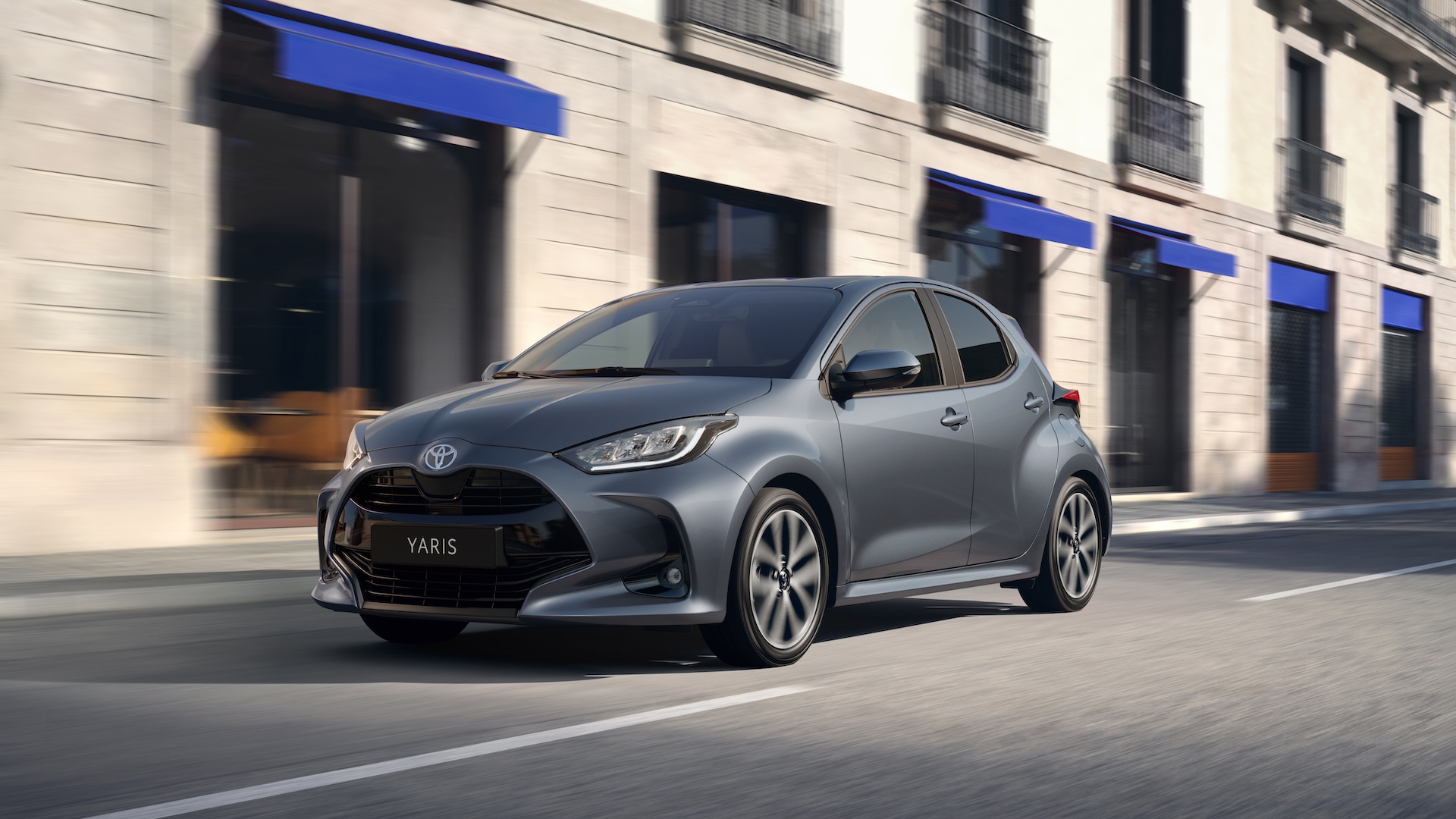
The urban market in 2026 shows a growing supply of compact cars that seek to balance purchase cost and the ECO label associated with engines featuring mild or full hybridisation
The urban market in 2026 shows a growing supply of compact cars that seek to balance purchase cost and the ECO label associated with engines featuring mild or full hybridisation. The buying decision often gets tangled up between real-world consumption, total cost of ownership and the usefulness of the environmental label in low-emission zones. Two quotable ideas: “the ECO label reduces regulatory uncertainty in the city” and “range is not the main criterion for short urban journeys”. Choosing well requires distinguishing between WLTP homologation and real-traffic consumption, as well as weighing maintenance costs against fuel savings.
This buying guide is for…
This text is aimed at drivers who prioritise urban and peri-urban journeys, look for compact cars with moderate consumption and want the peace of mind that the ECO label provides when accessing low-emission zones. It is especially suited to small families, professionals who make many short trips and buyers who value total cost of ownership. It is not the most suitable option for those who make frequent long intercity journeys at high speed or need very spacious boots; in those cases, higher segments or higher-capacity hybrids are more practical.
Common options within the segment
In the city two approaches predominate: compact full hybrids (HEV) that prioritise efficiency and everyday use, and mild-hybrid (48V) alternatives that reduce consumption in mixed driving at a lower cost. The former offer lower consumption in urban settings and usually guarantee the ECO label; the latter are less complex and cheaper, with a smaller gain in the urban cycle. There are also versions running on LPG or gas that keep the ECO label but require different infrastructure. The buyer must accept trade-offs between the added weight of hybridisation, initial cost and maintenance planning.
Key criteria for choosing well
Realistic versus homologated range: in urban use, city consumption matters most; checking WLTP urban-cycle data and user experiences helps estimate savings.
Power and throttle response: hybrid engines offer good responsiveness in the city, but maximum power and the progressiveness of power delivery influence safety and overtaking.
Stability and comfort on the road: chassis and suspension determine comfort over urban potholes and on secondary roads; do not sacrifice comfort for minimal savings.
Genuinely useful technology: parking assistance, automatic emergency braking and connectivity that helps with routing and real-world consumption are more relevant than luxury packs that are rarely used.
Total purchase and running cost: comparing the “from” price, real average consumption, insurance and maintenance gives a faithful picture of the cost per kilometre.
It depends on how you drive
Pure urban drivers benefit from self-charging hybrid systems and compact cars with good manoeuvrability. If you make frequent long journeys, prioritise stable consumption at cruising speed. Cold weather increases consumption and reduces auxiliary electrical efficiency, so winter habits should tip the balance towards models with better thermal performance. Users seeking simplicity will value cars with basic, consumption-saving equipment; those who want comfort, finishes and more technology will have to accept extra costs.
Real price: what you should know
The brands’ “from” price indicates the most basic version and usually excludes common equipment that can raise the final price. Financed prices include interest and promotions, so the total cost can be higher than the cash price. Equipment significantly affects VAT and the tax bracket; some public grants only apply to certain versions. In short: comparing the specific option, with the trim level you will actually use, is essential to estimate the real outlay.
Reference models on the market
Toyota Yaris Hybrid (from €20,300*)
A compact approach aimed at intensive urban use: petrol engine combined with a self-charging hybrid powertrain to reduce urban-cycle consumption and guarantee the ECO label in its HEV versions.
Pros
Real-world city consumption and ease of use without the need for external charging.
Cons
Limited boot and rear-seat room compared with higher-segment small cars.
Renault Clio E-TECH (from €21,000*)
Focus on efficiency and urban comfort with a hybrid architecture designed to minimise consumption on frequent city journeys.
Pros
Balance between ride comfort and reduced consumption in dense traffic.
Cons
Response under hard acceleration and the cost of better-equipped versions.
Honda Jazz e:HEV (from €22,400*)
A practical model with remarkable interior space for its size, aimed at users who combine city driving with suburban journeys.
Pros
Interior space and smooth operation of the hybrid system.
Cons
Slightly higher price than similar alternatives in its category.
Suzuki Swift Hybrid (from €17,900*)
An affordable option that introduces mild or self-charging hybridisation depending on the version, designed to reduce consumption without raising the initial cost much.
Pros
Attractive starting price and agility in the city.
Cons
Smaller consumption gains compared with more complex hybrids in heavy urban traffic.
Kia Rio Hybrid (from €16,900*)
An economical proposal with hybridisation technologies aimed at everyday use and keeping running costs low.
Pros
Price-to-equipment ratio in the base versions.
Cons
Moderate dynamic performance and lower technology equipment in the cheapest versions.
Purchase grants
Plan Auto+ 2026 and tax benefits
The Plan Auto+ 2026 replaces the previous MOVES programmes and establishes a new system of direct grants for purchasing electrified vehicles in Spain.
Main amounts of the Plan Auto+ 2026
– Direct grants of up to €4,500 for electric passenger cars.
– Up to €5,000 for light vans in category N1.
– Retroactive effect from 1 January 2026.
– Approximate budget allocation of €400 million.
Who can benefit and priority criteria
Beneficiaries: individuals, self-employed workers and companies. The EEE criterion (Electric, Economic and European) applies, with a greater incentive for battery electric vehicles (BEV) than for plug-in hybrids (PHEV). Vehicles priced below €35,000 receive a larger grant; those between €35,000 and €45,000 receive a reduced grant. There is a maximum incentive if the final assembly or the batteries are of European Union origin.
Additional requirements and tax advantages
A mandatory minimum discount of €1,000 from the dealer. A 15% deduction on personal income tax (IRPF) up to a maximum of €3,000. Tax validity until 31 December 2026.
Management and possible regional grants
Management is coordinated by the Ministry of Industry together with the Autonomous Communities. Additional regional programmes may exist. Example: the Plan Cambia 360 in the Community of Madrid. At the time of writing, it is not officially confirmed whether these regional grants are compatible with the Plan Auto+ 2026.
Common buying mistakes
Buying based on the label without checking real consumption in your own usage cycle; relying solely on the WLTP figure without cross-checking it with city tests; choosing the most highly equipped version assuming the extra cost always pays off without calculating total cost; not considering insurance and maintenance costs; assuming that all variants of a model carry the ECO label without checking the exact engine specification.
With the information and criteria described, the reader is in a position to compare specific offers and assess which version best covers their urban needs. The logical next step is to review detailed analyses and up-to-date listings for each model to check final prices and specific equipment.


 Peugeot E-208 GTi: a battery-powered toy that revives the spirit of the 1980s sports cars
 New Lexus ES: luxury grows and goes electric
 First contact with the Dacia Sandero Hybrid 155: power and efficiency from €19,890
Deja un comentario