Electric Cars Comparisons SUV Urban
How to Choose a Compact Electric SUV for Urban Use in 2026: Useful Range, Dimensions and Charging in the City
 Iván Navarro
31 July 2026
7 min.
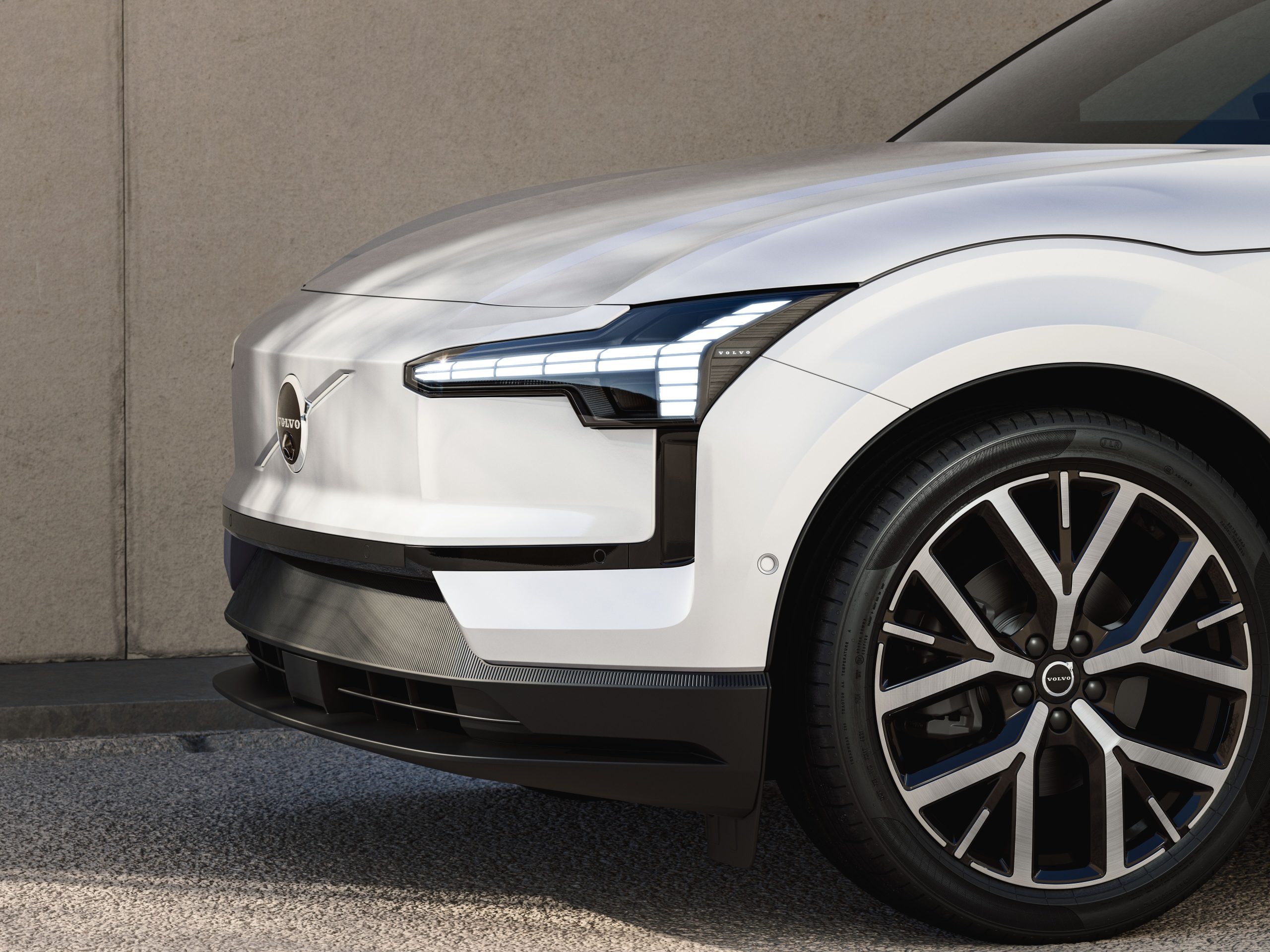
A practical guide to choosing an urban compact electric SUV in 2026, with clear criteria for real-world range, dimensions and charging power. Models on sale in Spain, technical data and a final checklist.
Choosing an urban compact electric SUV in 2026 should not be an act of faith. It should be a list of thresholds, checked against the real use you will give the car. And yet most buyers arrive at the dealership with the WLTP range figures burned into their minds and leave without having asked about what really matters in the city: how much space the car takes up between lines, whether it charges on 11 kW AC and whether its real urban consumption fits your routine.
Let’s sort out the problem.
Why has the compact electric SUV become the logical choice for the city in 2026?
Zero-emission label, free access to low-emission zones, a driving height that helps over speed bumps and in car parks with uneven surfaces, and an offer that is no longer limited to two expensive models. In 2026 there are cars below €30,000 after subsidies and above €45,000 with 800 V fast charging. The segment has become stratified.
What do we mean by urban in an electric SUV: real usage profile
A typical urban user drives between 30 and 60 km a day, with two or three long trips a month of 200-400 km. That profile changes everything: they don’t need 500 km of range, they need a margin that means not charging every day and not sweating over the occasional long journey.
Useful range: how many real kilometres do you actually need in the city?
The difference between WLTP, mixed range and real urban range
In the city, an electric car consumes less than on the motorway. Regenerative braking does its job. On paper, a 60 kWh compact SUV can deliver 350-380 km of real range in pure urban use, compared with the 260-290 km it will give on the motorway at 120 km/h.
Recommended thresholds by annual mileage
- Under 10,000 km/year: a battery of 45-50 kWh usable is enough.
- 10,000-15,000 km/year with monthly outings: 55-65 kWh is the sweet spot.
- More than 15,000 km/year or frequent trips: look for 70+ kWh.
Typical urban consumption in kWh/100 km and how to estimate your own case
A SUV-B electric car sits at around 13-15 kWh/100 km on pure urban driving. A light SUV-C runs at 14-16 kWh. Multiply your daily kilometres by 0.15 and you will have an honest estimate.
Dimensions: the criterion most underestimated when choosing an urban SUV
Maximum recommended length for parking in the city
Below 4.30 m, parking is no drama. Between 4.30 and 4.45 m you have to think twice on narrow streets. Above 4.50 m, the compact is more of a marketing label than urban reality.
Width, turning circle and visibility
A width without mirrors below 1.82 m is the reasonable benchmark. A turning circle between kerbs of less than 11 m makes the difference at roundabouts and when making U-turns.
Height and access to car parks
Watch out for municipal car parks that limit height to 1.90 m. Almost all compact electric SUVs fit, but it is worth measuring with a roof rack fitted if you plan to use one.
Charging in the city: what separates a good purchase from a headache
11 kW AC charging vs 7.4 kW: why it matters in a shared garage
A three-phase 11 kW charger fills a 60 kWh battery in about 6 hours. With 7.4 kW single-phase, we are talking 9-10 hours. If you share a wallbox in a residential community, the difference is huge.
Useful DC fast charging in the city: 100 kW as a comfortable threshold
On occasional trips, any SUV that charges above 100 kW DC will get you a 20-25 minute stop. As we already explained when we dismantled the fast-charging figures that manufacturers advertise, the theoretical peak matters less than the sustained curve between 20 and 80%.
400 V vs 800 V: when it is worth paying more
For purely urban use, 800 V is a luxury. It is worth it if you make long journeys frequently.
Recommended models on sale in Spain
Peugeot E-2008 — from €38,900
Compact (4.30 m), 54 kWh usable and a range that in the city approaches 340 real km. Interior with the new-generation i-Cockpit. In our view, one of the most balanced for pure urban use, although the maximum charging speed (100 kW DC) feels a little meagre.
| Power kW | Power CV | Top speed | Range | Consumption | Label | Fuel |
|---|---|---|---|---|---|---|
| 115 kW | 156 CV | 150 km/h | 406 km WLTP | 15.4 kWh/100 km | ZERO | Electric |
Kia EV3 — from €35,990
4.30 m, a 58.3 kWh battery in the Standard version, up to 81.4 kWh in the Long Range. The long-range version claims 605 km WLTP; in the city, 450 real km are achievable. 128 kW DC charging. In my opinion, the most complete in the segment in 2026.
| Power kW | Power CV | Top speed | Range | Consumption | Label | Fuel |
|---|---|---|---|---|---|---|
| 150 kW | 204 CV | 170 km/h | 605 km WLTP | 14.9 kWh/100 km | ZERO | Electric |
Volvo EX30 — from €35,800
4.23 m. A genuine compact. Single Motor Extended Range version with 69 kWh and 480 km WLTP. DC charging up to 153 kW. A minimalist interior that you will either love or dislike; the all-screen layout does not quite win me over for fast urban use.
| Power kW | Power CV | Top speed | Range | Consumption | Label | Fuel |
|---|---|---|---|---|---|---|
| 200 kW | 272 CV | 180 km/h | 480 km WLTP | 16.7 kWh/100 km | ZERO | Electric |
Jeep Avenger Electric — from €38,000
4.08 m, the shortest on the list. 54 kWh, 400 km WLTP. 100 kW DC charging. It rolls well in the city and fits between kerbs with a turning circle under 11 m. That said, the rear seats are a bit tight.
| Power kW | Power CV | Top speed | Range | Consumption | Label | Fuel |
|---|---|---|---|---|---|---|
| 115 kW | 156 CV | 150 km/h | 400 km WLTP | 15.3 kWh/100 km | ZERO | Electric |
Smart #1 — from €37,400
4.27 m. With the update to an 800 V architecture and 6C charging from the last year, the #1 has been seriously brought up to date. 66 kWh usable, 440 km WLTP and DC peaks well above 150 kW.
| Power kW | Power CV | Top speed | Range | Consumption | Label | Fuel |
|---|---|---|---|---|---|---|
| 200 kW | 272 CV | 180 km/h | 440 km WLTP | 16.8 kWh/100 km | ZERO | Electric |
BYD Atto 2 — from €29,990
4.31 m, 45 kWh usable, around 312 km WLTP. Aggressive pricing. DC charging limited to 65 kW: fine for the city, its weak point for long journeys.
| Power kW | Power CV | Top speed | Range | Consumption | Label | Fuel |
|---|---|---|---|---|---|---|
| 130 kW | 177 CV | 160 km/h | 312 km WLTP | 15.7 kWh/100 km | ZERO | Electric |
Renault 4 E-Tech — from €32,900
4.14 m, 52 kWh, 409 km WLTP. A design that plays the emotional card, sharing the AmpR Small platform with the 5. 100 kW DC charging. Excellent turning circle.
| Power kW | Power CV | Top speed | Range | Consumption | Label | Fuel |
|---|---|---|---|---|---|---|
| 110 kW | 150 CV | 150 km/h | 409 km WLTP | 14.7 kWh/100 km | ZERO | Electric |
Hyundai Kona Electric — from €39,000
4.35 m. Long version with 65.4 kWh and 514 km WLTP. 102 kW DC charging. Technically less modern than the EV3 (they share a group, but the Kona runs on 400 V), although it remains a benchmark for proven reliability and contained consumption.
| Power kW | Power CV | Top speed | Range | Consumption | Label | Fuel |
|---|---|---|---|---|---|---|
| 160 kW | 218 CV | 172 km/h | 514 km WLTP | 14.7 kWh/100 km | ZERO | Electric |
Comparative summary table
| Model | Length | Usable battery | WLTP range | DC charging | Price from | Score /10 |
|---|---|---|---|---|---|---|
| Kia EV3 | 4.30 m | 81.4 kWh | 605 km | 128 kW | €35,990 | 9.2 |
| Hyundai Kona Electric | 4.35 m | 65.4 kWh | 514 km | 102 kW | €39,000 | 8.5 |
| Volvo EX30 | 4.23 m | 69 kWh | 480 km | 153 kW | €35,800 | 8.4 |
| Smart #1 | 4.27 m | 66 kWh | 440 km | 150+ kW | €37,400 | 8.3 |
| Renault 4 E-Tech | 4.14 m | 52 kWh | 409 km | 100 kW | €32,900 | 8.1 |
| Peugeot E-2008 | 4.30 m | 54 kWh | 406 km | 100 kW | €38,900 | 7.8 |
| Jeep Avenger | 4.08 m | 54 kWh | 400 km | 100 kW | €38,000 | 7.7 |
| BYD Atto 2 | 4.31 m | 45 kWh | 312 km | 65 kW | €29,990 | 7.3 |
Final checklist before signing
- Length under 4.35 m? If it is your first tight parking space, yes.
- Is the battery sufficient for your km/year +30% margin?
- 11 kW AC charging as standard or optional?
- DC charging ≥100 kW if you make occasional long trips?
- Heat pump included? In Madrid or Zaragoza in January, it adds 30-40 km of real range.
- Turning circle checked on a test drive?
Frequently asked questions
How much real range does an urban electric SUV need in 2026?
For mostly urban use with occasional outings, between 300 and 400 real km (mixed WLTP of 400-500 km) covers 95% of scenarios without charging every day.
What fast-charging power is sufficient in the city?
100 kW DC is the comfortable threshold: it allows going from 20 to 80% in about 25-30 minutes. Above 150 kW is already a luxury unless you make frequent long trips.
Is an 800 V electric SUV worth it for the city alone?
Not especially. 800 V shines in fast charging on the motorway. In the city, with AC charging in a garage, the difference is imperceptible in day-to-day use.
What maximum length can a standard urban car park accommodate?
Standard spaces in Spain are 4.50 m x 2.20 m. An SUV below 4.35 m leaves sufficient margin; above that, it starts to eat into the aisle.


 Peugeot E-208 GTi: a battery-powered toy that revives the spirit of the 1980s sports cars
 New Lexus ES: luxury grows and goes electric
 First contact with the Dacia Sandero Hybrid 155: power and efficiency from €19,890
Deja un comentario