How to Choose a Compact PHEV SUV Around €40,000 in 2026: What Really Matters in the City
 Dani Montesinos
29 July 2026
6 min.
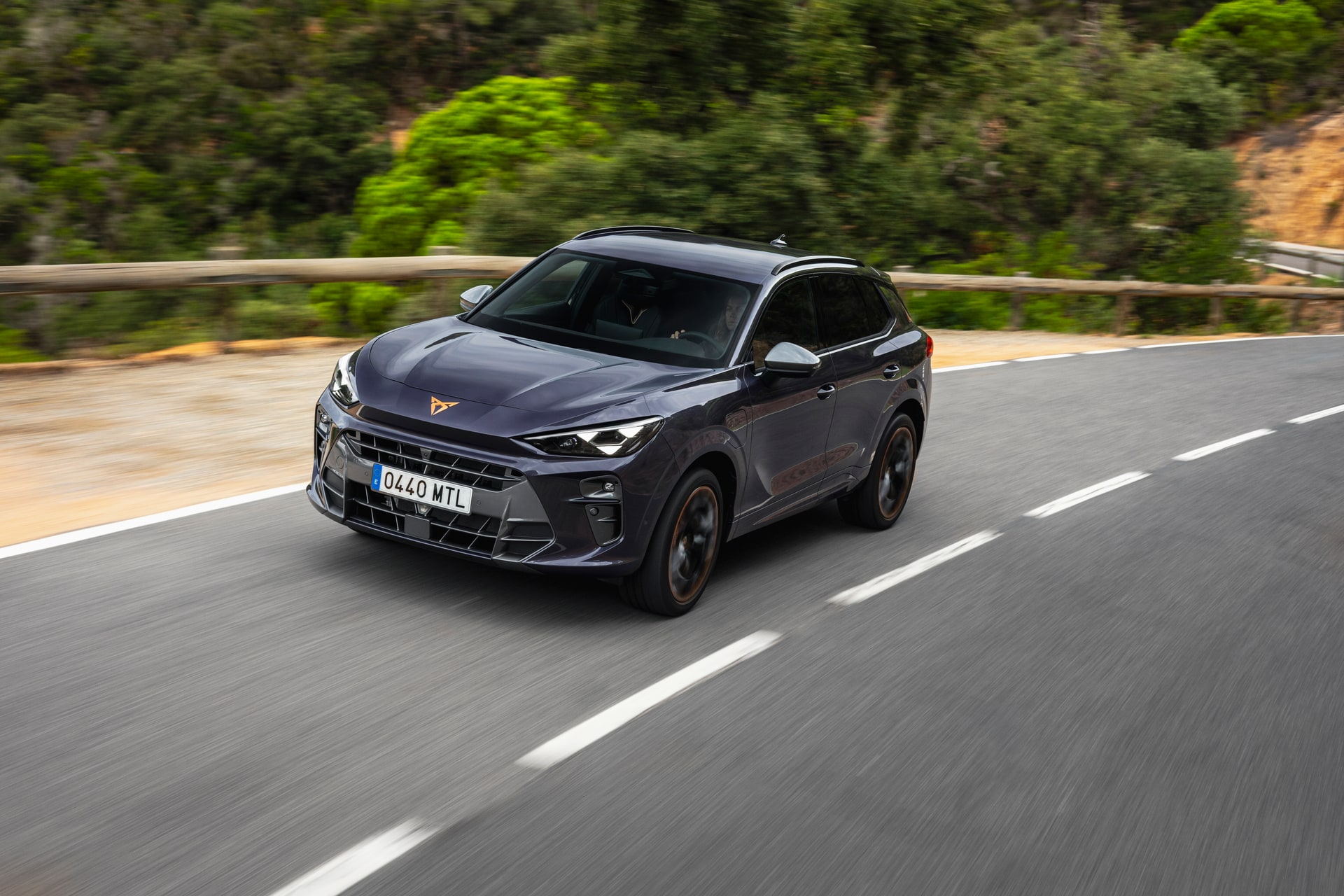
Guide to choosing a compact PHEV SUV for around €40,000: real-world electric range with a comparison of key models on the Spanish market.
The compact plug-in SUV has become the go-to choice for the Spanish urban buyer. It lets you drive through the ZBE low-emission zones without hassle, take the family out at the weekend without the range anxiety of a pure electric car and, if your daily routine includes a plug nearby, it can go weeks without visiting a petrol station. In 2026, with the sub-€40,000 segment more competitive than ever, the question is no longer whether to buy a PHEV, but which one and under what conditions.
Why a compact PHEV SUV makes sense in 2026
The combination is hard to beat for a mixed profile: short urban journeys in pure electric mode and motorway driving without a range penalty. Compared with diesel, it wins on taxation and access. Compared with a pure electric car, it wins on flexibility for those without a private garage or who make long journeys frequently.
DGT CERO label and ZBE access: the silent advantage
To display the CERO badge, the DGT requires more than 40 km of WLTP electric range. This is key: a PHEV with an ECO label (under 40 km) does not get the same access to the most restrictive Low Emission Zones in Madrid or Barcelona as a CERO car. Before signing, check the exact figure for the specific version, as it varies with wheel size and trim.
Real electric range: the 50 km WLTP threshold
The magic figure for confident urban use is exceeding 50 km WLTP, which translates to roughly 40-45 real km in winter with the heating on. That covers the average Spanish daily commute (around 30 km) with margin to spare. Below 40 real km, the car ends up working like a heavy hybrid.
Battery, AC power and charging times
Look for batteries of at least 12-15 net kWh and an on-board charger of 7.4 kW AC. Many PHEVs still fit 3.6 kW chargers, which double charging times. With 7.4 kW you can charge from 0 to 100% in about 2 hours; with 3.6 kW, in close to 4-5 hours. For a home wallbox, the difference is significant if you want two cycles a day.
Moves III grants: how much real discount to expect
The Moves III plan remains in force in 2026, with regional extensions in most autonomous communities. A PHEV with more than 30 km of electric range can receive up to €2,500 without scrapping and €5,000 with scrapping. The discount is applied through income tax the following year, so it is worth calculating the real financial cost, not the nominal one.
When a PHEV is NOT your best option
If you have no charging point at home or at work, forget it: you will pay for the extra battery weight without making use of it. The same goes if you do more than 30,000 km a year on motorways, where a self-charging hybrid or a modern diesel will be more efficient.
Cupra Formentor e-Hybrid — from €43,480
The sportiest of the group. 204 CV combined, a 19.7 kWh battery and a homologated range close to 120 km WLTP in the updated version. Boot capacity of 345 litres (penalised by the battery) and a chassis that remains a dynamic benchmark in the segment.
| Power kW | Power CV | Top speed | Electric range | Consumption | Label | Fuel |
|---|---|---|---|---|---|---|
| 150 kW | 204 CV | 205 km/h | 126 km WLTP | 1.4 l/100 km | CERO | PHEV |
Ford Kuga PHEV — from €33,542
Balance made into an SUV. 243 CV, 14.4 kWh battery and around 69 km of WLTP electric range. Generous 411-litre boot despite the battery and a comfortable driving feel, ideal for those who prioritise comfort over dynamism.
| Power kW | Power CV | Top speed | Electric range | Consumption | Label | Fuel |
|---|---|---|---|---|---|---|
| 178 kW | 243 CV | 200 km/h | 69 km WLTP | 1.2 l/100 km | CERO | PHEV |
Jeep Compass e-Hybrid Plug-in — from €39,231
The only one in the group with genuine all-wheel drive. 240 CV, 11.4 kWh battery and around 50 km of WLTP electric range, just enough. It loses out on electric range but makes up for it with off-road capability, something rare at this price for a PHEV.
| Power kW | Power CV | Top speed | Electric range | Consumption | Label | Fuel |
|---|---|---|---|---|---|---|
| 165 kW | 225 CV | 200 km/h | 94 km WLTP | 2.0 l/100 km | CERO | PHEV |
MG HS PHEV — from €37,340
The Chinese brand’s statement piece. 272 CV combined, a 24.7 kWh battery and a WLTP electric range of around 120 km. Generous interior space and very complete standard equipment at a price that is hard to match.
| Power kW | Power CV | Top speed | Electric range | Consumption | Label | Fuel |
|---|---|---|---|---|---|---|
| 200 kW | 272 CV | 190 km/h | 120 km WLTP | 0.8 l/100 km | CERO | PHEV |
Compact plug-in SUV comparison: summary table
| Model | Price from | CV | EV range (WLTP) | Battery | AC charging | Score |
|---|---|---|---|---|---|---|
| Cupra Formentor e-Hybrid | €43,480 | 204 | 126 km | 19.7 kWh | 7.4 kW | 8.5 |
| Ford Kuga PHEV | €33,542 | 243 | 69 km | 14.4 kWh | 3.6 kW | 7.8 |
| Jeep Compass e-Hybrid Plug-In | €39,231 | 225 | 94 km | 11.4 kWh | 7.4 kW | 7.2 |
| MG HS PHEV | €37,340 | 272 | 120 km | 24.7 kWh | 6.6 kW | 8.7 |
Final recommendation by urban profile
For the pure urban user with a wallbox, the MG HS PHEV and the Cupra Formentor e-Hybrid are the most complete: 120 electric km allow a week without touching petrol. If you prioritise reliability and total cost, the Kia Niro PHEV is the most sensible bet. If you occasionally need all-wheel drive, the Jeep Compass 4xe has no rival at this price. And if you do many mixed kilometres, the Ford Kuga PHEV offers the best balance between comfort and performance.
Frequently asked questions
Is a PHEV SUV with less than 50 km of electric range worth it?
Only if your daily journey is very short (under 25 km) and you have home charging. Below 50 km WLTP, the car almost always ends up running in hybrid mode, with a real consumption between 6 and 8 l/100 km that does not justify the price premium.
Do all PHEV SUVs have a CERO label?
No. Only those homologated with more than 40 km of WLTP electric range. Always check the specific version, as larger wheels can drop below that threshold and leave the car with an ECO label.
How much does it cost to charge a PHEV SUV at home?
With an average 15 kWh battery and a price of €0.15/kWh on the off-peak tariff, a full charge costs around €2.25. That equates to roughly €3-4 per 100 electric km, compared with €8-10 for petrol.
Are Moves III grants compatible with manufacturer discounts?
Yes. Moves III grants are applied to the final price and are compatible with any dealership promotion. However, they require the vehicle to remain in your name for at least two years and are received through the income tax return.


 Peugeot E-208 GTi: a battery-powered toy that revives the spirit of the 1980s sports cars
 New Lexus ES: luxury grows and goes electric
 First contact with the Dacia Sandero Hybrid 155: power and efficiency from €19,890
Deja un comentario