Electric Cars Compact Rankings
Ranking 2026: the 6 electric compacts with the lowest average motorway consumption to get the most out of every kWh
 Dani Montesinos
29 July 2026
5 min.
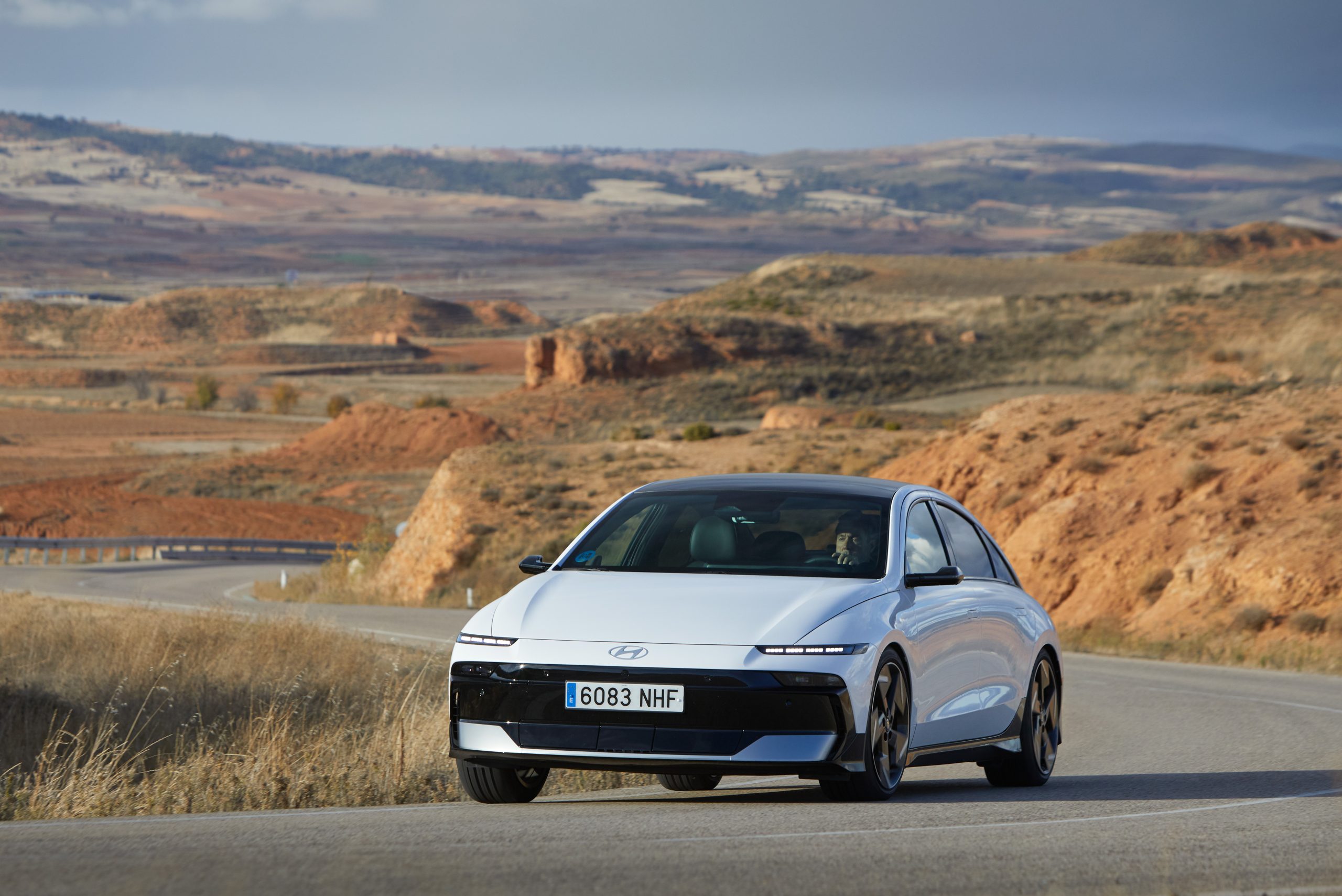
Technical analysis of the six most motorway-efficient electric compacts on sale in 2026, real-world consumption figures and the factors that make the difference.
The motorway remains the great proving ground for the electric car. It is there that the WLTP cycle falls apart, where a poorly resolved drag coefficient punishes mercilessly, and where the gap between two electric compacts can translate into 80 real-world kilometres of range. In this 2026 ranking we have selected the six electric compacts with the lowest motorway consumption officially sold in Spain, ordered by their sustained average consumption at 120 km/h.
Why motorway consumption is the metric that matters
The WLTP homologation combines urban, suburban and high-speed cycles, but most owners discover that the figure that really matters when planning a journey is the electric car motorway kWh consumption at the legal cruising speed. At 120 km/h, aerodynamic drag accounts for more than 60% of energy expenditure, which makes the drag coefficient (Cx), the frontal area and the battery thermal management the three decisive variables.
Methodology: WLTP versus real-world use
The data in this ranking combine WLTP homologation with real measurements taken on Spanish routes (A-2, AP-7 and A-6) at ambient temperatures between 15 and 22 °C, with climate control active and a single occupant. The average difference between WLTP and real motorway consumption sits at around 25-30%, an essential figure for understanding electric car real motorway range.
Technical factors that make the difference
Four elements explain almost the entire order: aerodynamics (a Cx below 0.23 marks a before and after), kerb weight, the presence of a heat pump —essential in winter— and the efficiency of the inverter and the permanent-magnet synchronous motor compared with induction solutions.
1. Hyundai Ioniq 6 — from €39,365
The Korean saloon remains the objective benchmark of the segment. With a Cx of 0.21, the lowest of any production electric car on sale in Spain, its real motorway consumption stays between 15.8 and 16.5 kWh/100 km. The RWD version with its 77 kWh battery offers more than 480 real km at 120 km/h, a figure almost no rival can match.
| Power kW | Power CV | Top speed | Range | Consumption | Label | Fuel |
|---|---|---|---|---|---|---|
| 168 | 228 | 185 km/h | 680 km WLTP | 15.5 kWh/100 km | Zero | Electric |
2. Tesla Model 3 — from €36,990
The Highland restyling further refined an already very efficient platform. Cx of 0.219, a rear permanent-magnet motor and software management that squeezes every kWh. On the motorway it runs at around 16.8 kWh/100 km in the Long Range RWD version. It remains the practical benchmark for anyone who covers a lot of kilometres.
| Power kW | Power CV | Top speed | Range | Consumption | Label | Fuel |
|---|---|---|---|---|---|---|
| 208 | 283 | 201 km/h | 629 km WLTP | 16.8 kWh/100 km | Zero | Electric |
3. Volkswagen ID.7 — from €52,655
The Wolfsburg saloon takes advantage of its greater size to optimise airflow with a Cx of 0.23. Its 77 kWh usable battery and the new-generation APP550 motor deliver a real consumption close to 17.2 kWh/100 km on the motorway. The heat pump is standard, a key factor in keeping figures stable in winter.
| Power kW | Power CV | Top speed | Range | Consumption | Label | Fuel |
|---|---|---|---|---|---|---|
| 210 | 286 | 180 km/h | 599 km WLTP | 14.6 kWh/100 km | Zero | Electric |
4. BMW i4 eDrive40 — from €66,200
The i4 shows that a Gran Coupé can be surprisingly efficient. Rear-wheel drive, an externally excited synchronous motor (no rare-earth magnets) and a refined aerodynamic design allow journeys at 120 km/h to be completed with consumption of 17.8 kWh/100 km. Premium, refined and consistent.
| Power kW | Power CV | Top speed | Range | Consumption | Label | Fuel |
|---|---|---|---|---|---|---|
| 250 | 340 | 190 km/h | 613 km WLTP | 17.1 kWh/100 km | Zero | Electric |
5. Renault Megane E-Tech — from €34,574
The French compact is the most affordable in the ranking and offsets a less aerodynamic body (Cx 0.29) with a restrained weight (1,624 kg) and a permanent-magnet synchronous motor that is very efficient at medium speeds. On the motorway it sits at around 18.4 kWh/100 km. A good price-to-efficiency equation.
| Power kW | Power CV | Top speed | Range | Consumption | Label | Fuel |
|---|---|---|---|---|---|---|
| 160 | 220 | 160 km/h | 468 km WLTP | 15.0 kWh/100 km | Zero | Electric |
6. Peugeot e-308 — from €30,070
It makes the ranking thanks to the new 58 kWh battery and the third-generation 156 CV motor from the Stellantis group. Its real motorway consumption hovers around 18.7 kWh/100 km, a very competitive figure for a general-purpose compact with a standard heat pump.
| Power kW | Power CV | Top speed | Range | Consumption | Label | Fuel |
|---|---|---|---|---|---|---|
| 115 | 156 | 170 km/h | 433 km WLTP | 14.0 kWh/100 km | Zero | Electric |
Summary table: electric compacts ranking 2026
| Pos. | Model | Motorway consumption | WLTP range | Price from | Score /10 |
|---|---|---|---|---|---|
| Hyundai Ioniq 6 | 15.5 kWh/100 km | 680 km | €39,365 | 9.4 | |
| Tesla Model 3 | 16.8 kWh/100 km | 629 km | €36,990 | 9.2 | |
| Volkswagen ID.7 | 14.6 kWh/100 km | 599 km | €52,655 | 8.7 | |
| BMW i4 eDrive40 | 17.1 kWh/100 km | 5613 km | €66,200 | 8.5 | |
| Renault Megane E-Tech | 15.0 kWh/100 km | 468 km | €34,574 | 8.1 | |
| 6 | Peugeot e-308 | 14.0 kWh/100 km | 433 km | €30,070 | 7.8 |
Frequently asked questions
Which electric compact uses the least motorway energy in Spain in 2026?
The Hyundai Ioniq 6, with a measured consumption of 16.1 kWh/100 km at 120 km/h, thanks to its Cx of 0.21, the lowest in the segment.
Why are real consumption figures higher than WLTP?
Because the WLTP cycle includes urban and suburban phases where regeneration offsets part of the energy use. At sustained motorway speeds aerodynamic drag dominates and consumption rises by between 25% and 30%.
What role does the heat pump play in efficiency?
It is decisive in winter: it can reduce climate-control consumption by up to 60% compared with a conventional resistive heater, preserving real range on long journeys.
Is it worth paying more for a car with a very low Cx?
Yes, if you drive many motorway kilometres. The difference between a Cx of 0.21 and one of 0.29 can amount to 2-3 kWh/100 km, that is, up to 60 km less range on a long trip.


 Peugeot E-208 GTi: a battery-powered toy that revives the spirit of the 1980s sports cars
 New Lexus ES: luxury grows and goes electric
 First contact with the Dacia Sandero Hybrid 155: power and efficiency from €19,890
Deja un comentario