Corolla Corolla Cross HS Hyundai KIA MG Sportage Toyota Tucson Electric Cars Hybrid Cars Comparisons Buying Guides SUV
How to Choose a Compact SUV for Around €30,000 in 2026: Powertrain, Technology and Warranty
 Dani Montesinos
27 August 2026
8 min.
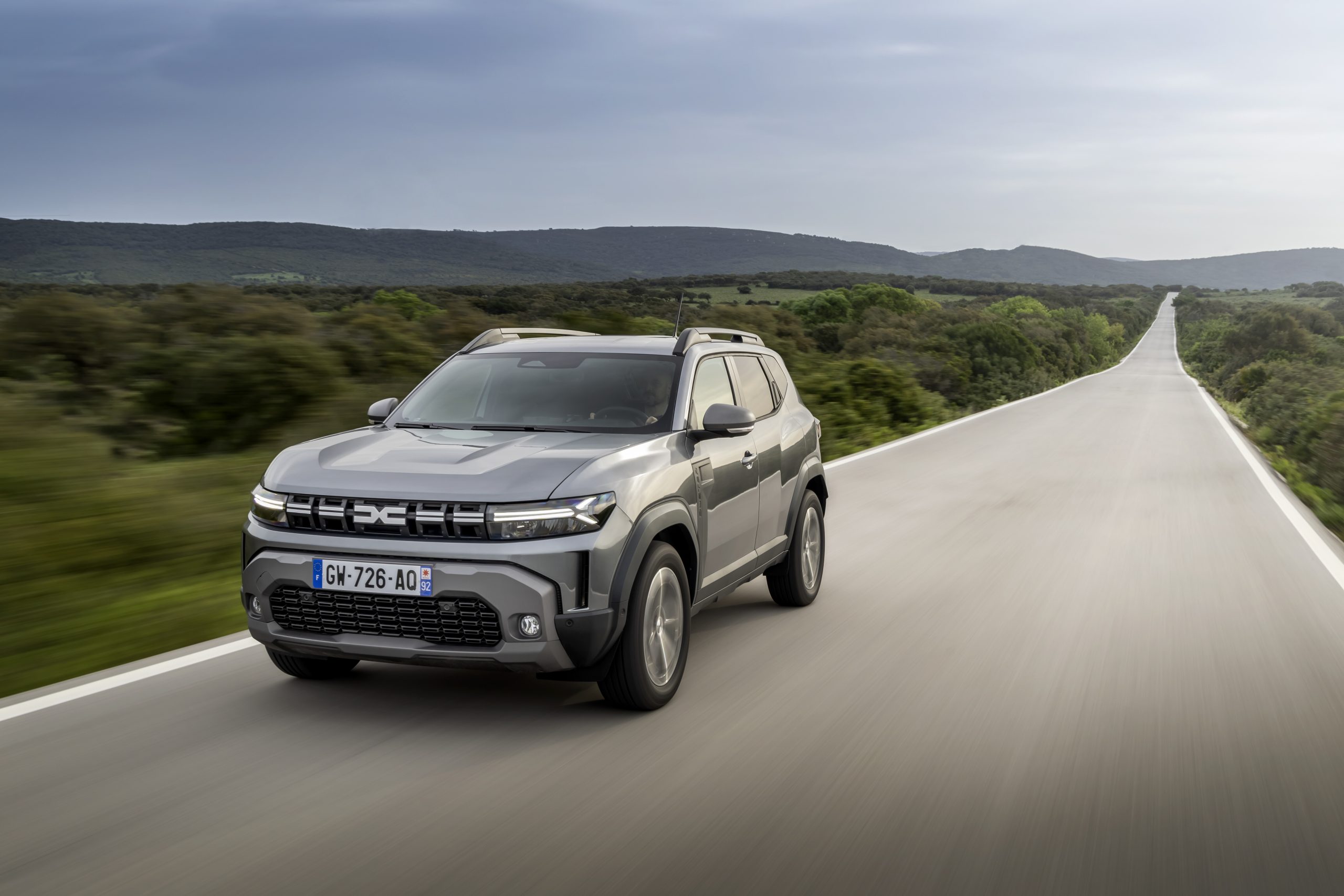
A practical guide for the Spanish market: which compact SUV for around €30,000 based on powertrain, technology features and after-sales coverage
The compact SUV segment has become the real barometer of the Spanish market. It is where family needs, a tight budget and technology that five years ago was exclusive to premium ranges all meet. The average buyer’s question is no longer which SUV should I buy, but which compact SUV for around €30,000 gives me the most car for my money without giving up warranty or the mandatory ADAS in 2026.
One clarification before we begin the analysis: this guide deliberately leaves out BYD models. This is not a question of quality. In our view, the price-to-product advantage the brand enjoyed a couple of seasons ago has been eroded by the massive arrival of European and Asian rivals that are just as competitive or more so. With that clarified, let’s look at what does make the cut.
What we mean by a compact SUV in 2026
We are talking about cars between 4.30 and 4.55 metres long, with five genuine seats, a boot of 430 litres or more, and an engine range that in many cases already covers petrol, HEV, PHEV and electric within the same model. The C-SUV is today what the compact saloon was twenty years ago: the default family car in Spain.
The €30,000 threshold: what to expect and what not to
Below that figure, at a Spanish dealership and with the usual campaign discounts, you can access mid-level trims from mainstream brands and top trims from emerging brands. What you will not find, barring very rare exceptions, is all-wheel drive, a PHEV with more than 80 km of electric range, or genuine leather. What you will find is 12-inch screens, a 360° camera, a panoramic roof and complete ADAS packages.
Powertrain: petrol, HEV, PHEV or electric
Petrol: it still makes sense in 2026
For low mileage and mixed urban use without easy access to a plug, a well-engineered 1.5 turbo makes sense. The extra cost of a hybrid can take 6–7 years to pay back if you drive fewer than 12,000 km a year.
Full hybrid (HEV): the sweet spot
Here Toyota leads, and with good reason. Real-world consumption of 5 l/100 km without changing your habits, ECO label and proven reliability. It is the least risky option in the segment.
Plug-in hybrid (PHEV): yes, but with caveats
It only pays off if you have a plug at home and daily journeys of less than 50 km. Without those two conditions, you carry dead weight and suffer higher consumption on the road. On paper it earns the ZERO label; in practice, a well-used HEV beats a poorly-used PHEV.
An electric car for around €30,000: now possible
With the current Plan Auto+ framework and brand discounts, some electric B/C-SUVs slip under the barrier. That said, you must check the updated amounts on the official website before signing. The specific guide to electric B-SUVs under €30,000 goes deeper into that sub-niche.
Technology: what is essential and what is marketing
Since 2024 the GSR2 regulation has required all new cars to fit automatic emergency braking, drowsiness warning, ISA and lane-keeping detection, among others. In other words: basic ADAS no longer differentiates. What does make a difference:
- 360° camera and perimeter sensors — welcome in every garage space.
- Head-Up Display — still distinctive below €30,000.
- Wireless CarPlay and Android Auto — it is surprising how many cars still lack it.
- OTA updates — car software ages faster than the bodywork.
Warranty: the silent criterion that decides purchases
This is where the analysis gets interesting. The standard Spanish factory warranty is 2 years, but several brands extend it as a commercial argument, and in our view it weighs more than buyers usually admit:
- Toyota Relax: up to 10 years or 185,000 km, provided servicing is carried out in the official network.
- Kia: 7 years or 150,000 km, transferable.
- MG: 7 years or 150,000 km, with no significant small print.
- Hyundai: 5 years with no mileage limit.
- Dacia: 3 years, extendable to 7 for a fee.
- Jaecoo / Omoda: 7 years or 150,000 km on the vehicle, 8 years on the battery for electrified versions.
The candidates that make it into this guide
Toyota Corolla Cross — from €38,100
The reference HEV, which is why, even though the price strays a little, it has to be on the list. 180 hp combined, 5.2 l/100 km in real use and the densest after-sales network in Spain. Sober interior, no fireworks, but ergonomics that age well. If your priority is sleeping soundly for ten years, this is your car.
| Power kW | Power CV | Top speed | Range | Consumption | Label | Fuel |
|---|---|---|---|---|---|---|
| 132 kW | 180 CV | 180 km/h | ~950 km | 5.2 l/100 km | ECO | Hybrid HEV |
Hyundai Tucson — from €35,075 (1.6 T-GDI 150 CV)
The entry trim with the 1.6 petrol fits the budget; the HEV slips just over. Striking design with lights integrated into the grille, a 12.3-inch curved screen and a perceived quality one step above the segment average. The hybrid version is discussed in the Tucson vs RAV4 comparison.
| Power kW | Power CV | Top speed | Range | Consumption | Label | Fuel |
|---|---|---|---|---|---|---|
| 110 kW | 150 CV | 190 km/h | ~750 km | 7.0 l/100 km | ECO | Petrol MHEV |
Kia Sportage — from €29,530 (1.6 T-GDI 150 CV)
Technical sibling of the Tucson, with a more aggressive styling language and seven years of warranty. Generous rear space, a 591-litre boot and an interior ergonomics that keeps physical climate buttons. A good balance.
| Power kW | Power CV | Top speed | Range | Consumption | Label | Fuel |
|---|---|---|---|---|---|---|
| 110 kW | 150 CV | 190 km/h | ~730 km | 7.0 l/100 km | ECO | Petrol MHEV |
MG HS — from €24,340 (1.5T petrol)
The most aggressive on price-to-equipment in the group. For under €25,000 it delivers a 12.3-inch screen, a panoramic roof, heated seats and seven years of warranty. Its weak point is real-world consumption above its HEV rivals. We break it down in its dedicated review.
| Power kW | Power CV | Top speed | Range | Consumption | Label | Fuel |
|---|---|---|---|---|---|---|
| 125 kW | 170 CV | 190 km/h | ~680 km | 7.4 l/100 km | C | Petrol |
Dacia Duster — from €23,220
The rational option. Less car inside, yes, but also €10,000 less. 1.2 mild-hybrid engine, ECO label and a philosophy of austerity that doesn’t offend: there is no luxury here, there is a car.
| Power kW | Power CV | Top speed | Range | Consumption | Label | Fuel |
|---|---|---|---|---|---|---|
| 103 kW | 140 CV | 180 km/h | ~800 km | 5.4 l/100 km | ECO | Petrol MHEV |
Jaecoo 7 — from €32,140
The well-executed Chinese breakthrough. Surprising interior finish, a 14.8-inch screen and styling with strongly premium influences. It is the candidate with the most equipment per euro on the list, if you accept a brand whose dealer network is still growing.
| Power kW | Power CV | Top speed | Range | Consumption | Label | Fuel |
|---|---|---|---|---|---|---|
| 108 kW | 145 CV | 180 km/h | ~700 km | 7.0 l/100 km | C | Petrol |
Omoda 5 — from €27,900
Attack price and dense equipment for the level. Less C-SUV and more high-end B-SUV, but it earns its place in the conversation through its dimensions and positioning. A good urban candidate.
| Power kW | Power CV | Top speed | Range | Consumption | Label | Fuel |
|---|---|---|---|---|---|---|
| 108 kW | 145 CV | 180 km/h | ~650 km | 7.0 l/100 km | C | Petrol |
Recommendation by usage profile
- Family with high mileage and city driving: Toyota Corolla Cross. No discussion.
- Buyer who values design and technology: Hyundai Tucson or Kia Sportage.
- Pure price-to-product priority: MG HS or Jaecoo 7.
- Limited budget and rural/mixed use: Dacia Duster.
- Predominantly urban use: Omoda 5.
Summary table and editorial score
| Model | From | Powertrain | Warranty | Technology | Price-to-product | Overall score |
|---|---|---|---|---|---|---|
| Toyota Corolla Cross | €38,100 | HEV | 10/10 | 7/10 | 8/10 | 8.7 |
| Hyundai Tucson | €35,075 | Petrol MHEV | 8/10 | 9/10 | 8/10 | 8.4 |
| Kia Sportage | €29,530 | Petrol MHEV | 9/10 | 8/10 | 8/10 | 8.3 |
| MG HS | €24,340 | Petrol | 9/10 | 8/10 | 9/10 | 8.5 |
| Dacia Duster | €23,220 | Petrol MHEV | 6/10 | 6/10 | 10/10 | 7.8 |
| Jaecoo 7 | €32,140 | Petrol | 9/10 | 9/10 | 9/10 | 8.6 |
| Omoda 5 | €27,900 | Petrol | 9/10 | 7/10 | 9/10 | 8.0 |
Frequently asked questions
What is the most reliable hybrid compact SUV for around €30,000 in Spain?
The Toyota Corolla Cross, thanks to its proven HEV powertrain, dense after-sales network and the Toyota Relax programme, which extends the warranty up to 10 years when servicing is done at an official dealer.
Is a Chinese compact SUV worth it over a Korean one?
It depends on use. The Jaecoo 7 and MG HS offer more equipment per euro and a 7-year warranty. The Koreans — Tucson and Sportage — have more stable residual values and a more established sales network. If you will sell within 5 years, go Korean; if you plan to keep the car until it’s finished, a well-chosen Chinese model pays off.
Which warranty is the strongest commercial argument in 2026?
Toyota Relax, for its coverage of up to 10 years conditional on official maintenance. Kia and MG with their 7 years come right behind, without tying servicing to their own network with the same strictness.
Can you buy a compact electric SUV for under €30,000?
Yes, although the strict catalogue of electric C-SUVs below that barrier is short. Applying the current Plan Auto+ aid and campaign discounts, options from the high-end B-SUV sub-segment and some C-SUV from emerging brands fall within range. Check the updated aid amount on the official website before signing.
Technical specifications of the cars in this article


 Peugeot E-208 GTi: a battery-powered toy that revives the spirit of the 1980s sports cars
 New Lexus ES: luxury grows and goes electric
 First contact with the Dacia Sandero Hybrid 155: power and efficiency from €19,890
Deja un comentario