CR-V Honda Hyundai KIA Nissan Qashqai RAV4 Sportage Toyota Tucson Hybrid Cars Comparisons Family Buying Guides SUV
How to Choose a Family Compact Hybrid SUV in 2026: Long-Distance Consumption, Boot Space and Urban Comfort
 Iván Navarro
26 November 2026
7 min.
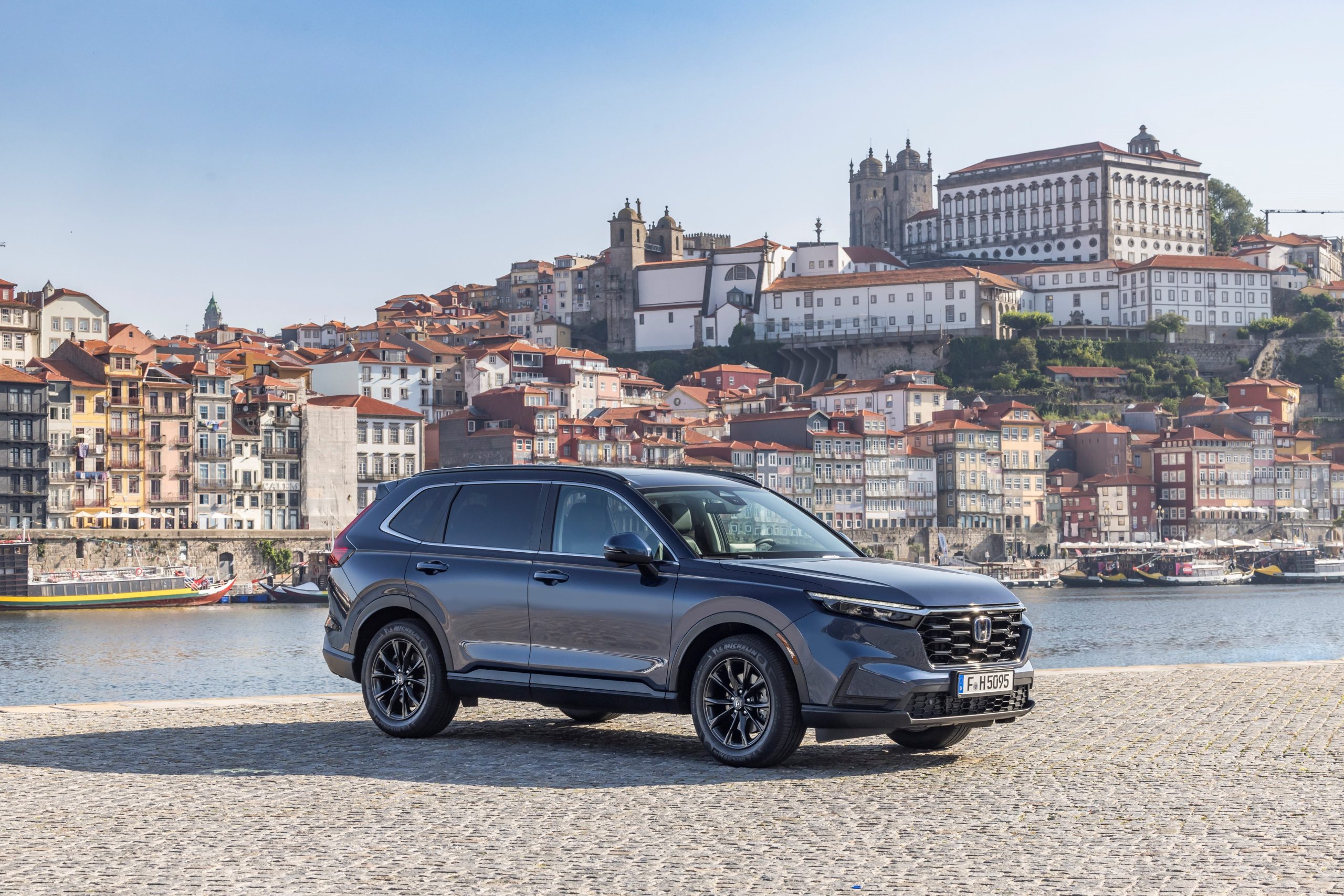
There is a type of buyer who wants it all: boot space for the large suitcase and the child seat, low consumption without plugging anything in, an ECO label to enter central Madrid without a second thought, and handling that doesn’t tire you out over 600 kilometres of motorway. That buyer exists, is the majority in Spain, and in 2026 has half a dozen serious options to choose from. None is perfect. All have nuances worth knowing before you sign.
Why the compact hybrid SUV has become the default family choice
The conventional hybrid — no plug, no reliance on a charging point in the communal garage — has won over a large part of the family diesel market. No surprise: an ECO label, consumption around 4.5-6 l/100 km in mixed use, and maintenance without the surprises of diesel aftertreatment systems. The catch, if there is one, is that on the motorway at 120 km/h the combustion engine does almost all the work, and there the advantage over a modern diesel narrows. It’s worth knowing this before buying with inflated expectations.
Long-distance consumption: the ECO label doesn’t tell the whole story
In town, a conventional hybrid can run in electric mode 50-60% of the journey. On the motorway that percentage falls sharply — the battery is small, designed for regeneration and pull-offs, not for sustained running at 120 km/h. This means the homologated WLTP consumption, which mixes both scenarios, doesn’t reflect well what you will spend on a 500-kilometre trip to Málaga. In practice, the six models we analysed range between 6.0 and 7.2 l/100 km on real motorway driving, a figure that remains competitive against a conventional petrol car, though less spectacular than in town. Anyone who genuinely wants to save on long journeys should also look at the plug-in hybrid territory, a segment we covered in our guide to premium hybrid SUVs for travelling.
Boot and space: how many litres does a family really need
For a family of four with a pram and holiday luggage, the psychological threshold is 550 litres. Below that, you have to plan; above it, you travel with margin. This is where the candidates separate: the Hyundai Tucson Hybrid, the Kia Sportage HEV and the Honda CR-V e:HEV comfortably exceed that figure, while the Nissan Qashqai e-Power falls somewhat short compared with its direct rivals — not a disaster, but worth considering if boot space is your number one criterion.
Urban comfort: suspension, noise and manoeuvrability
In town, what is valued most is not power but the smoothness of pure electric pull-offs and silence at low speed. The Honda CR-V e:HEV and the Toyota RAV4 stand out for notably good pothole filtering, a legacy of suspensions tuned for the European market. The Renault Austral, for its part, offers slightly more direct steering, which is appreciated when parking, although in my view it loses some of that “sofa-like” comfort that characterises its Japanese and Korean rivals.
The six family hybrid SUVs you can actually buy in Spain
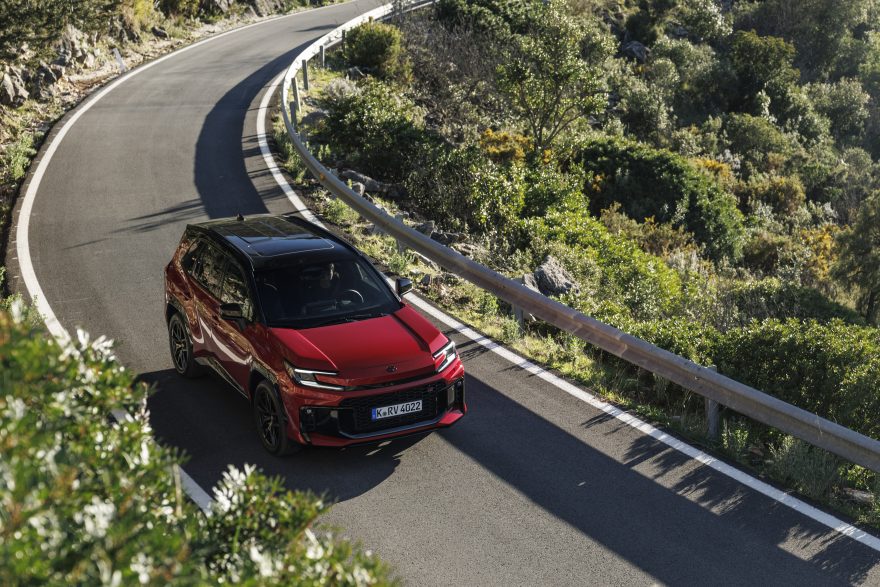
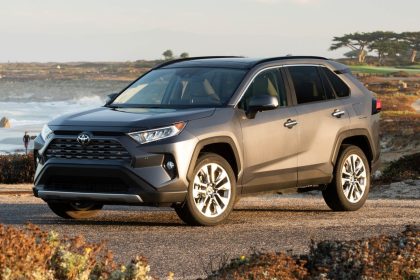
Toyota RAV4 — from €44,250
The RAV4 has been the reference in the segment for years, and with its 2026 renewal it still holds that position. Its hybrid system is one of the most refined of the six, with almost imperceptible transitions between combustion and electric power, although in this generation its boot is smaller than in the outgoing model.
| Power (CV) | Power (kW) | Consumption | Boot | Label | Fuel |
|---|---|---|---|---|---|
| 185 | 136 | 4.9 l/100 km | 514 l | ECO | Hybrid |
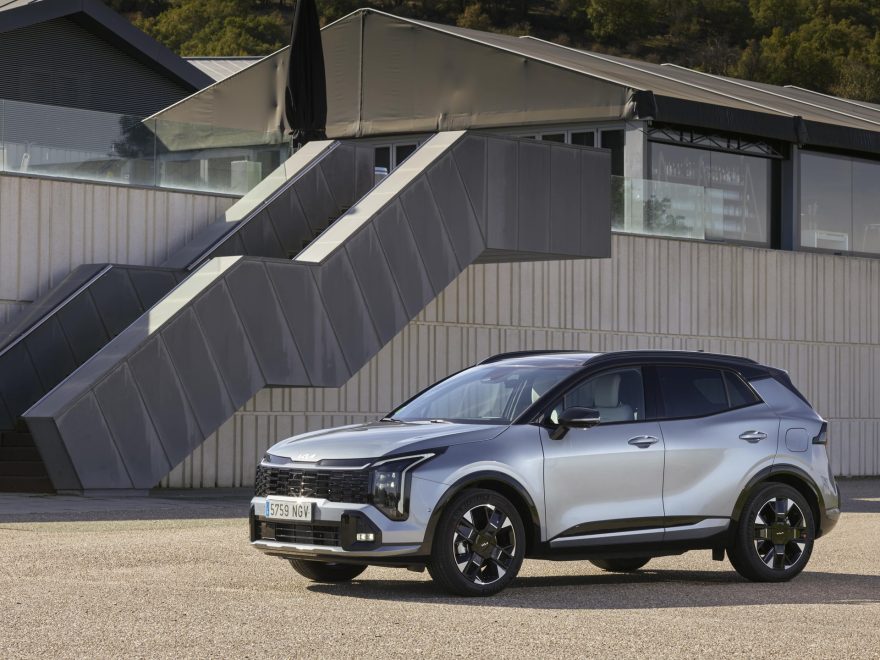
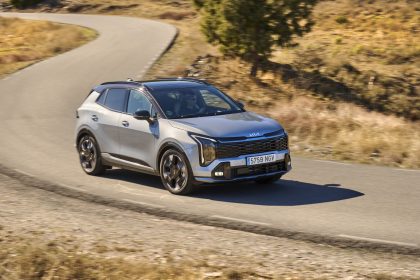
Kia Sportage HEV — from €35,131
One of the most balanced buys in this comparison, with a generous boot, notable power following its latest update, and an interior design that in our view remains one of the most accomplished in the segment.
| Power (CV) | Power (kW) | Consumption | Boot | Label | Fuel |
|---|---|---|---|---|---|
| 239 | 176 | 5.5 l/100 km | 587 l | ECO | Hybrid |
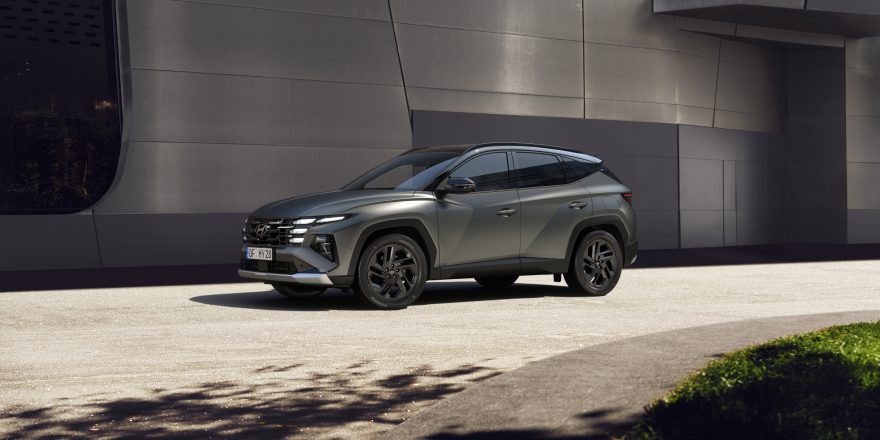
Hyundai Tucson Hybrid — from €40,775
It shares its platform and 239 CV powertrain with the Sportage, but its body offers the largest boot in the whole comparison and a bolder exterior design that not everyone shares.
| Power (CV) | Power (kW) | Consumption | Boot | Label | Fuel |
|---|---|---|---|---|---|
| 239 | 176 | 5.6 l/100 km | 616 l | ECO | Hybrid |
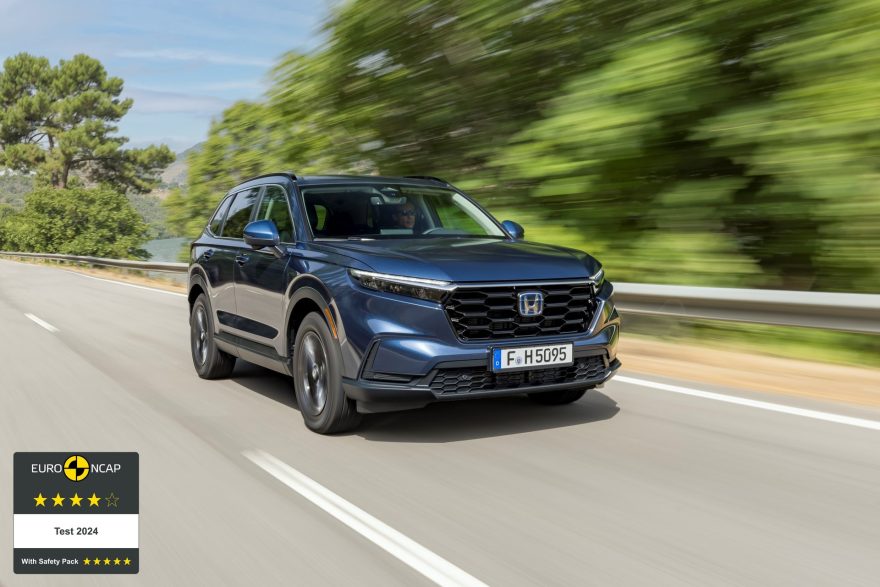
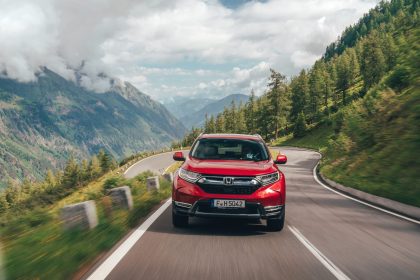
Honda CR-V e:HEV — from €45,445
The most expensive on the list, but also the one that best balances comfort, interior spaciousness and driving feel. It is debatable whether the extra cost pays off against the Tucson or the Sportage, unless comfort is your absolute priority.
| Power (CV) | Power (kW) | Consumption | Boot | Label | Fuel |
|---|---|---|---|---|---|
| 184 | 135 | 5.9 l/100 km | 587 l | ECO | Hybrid |
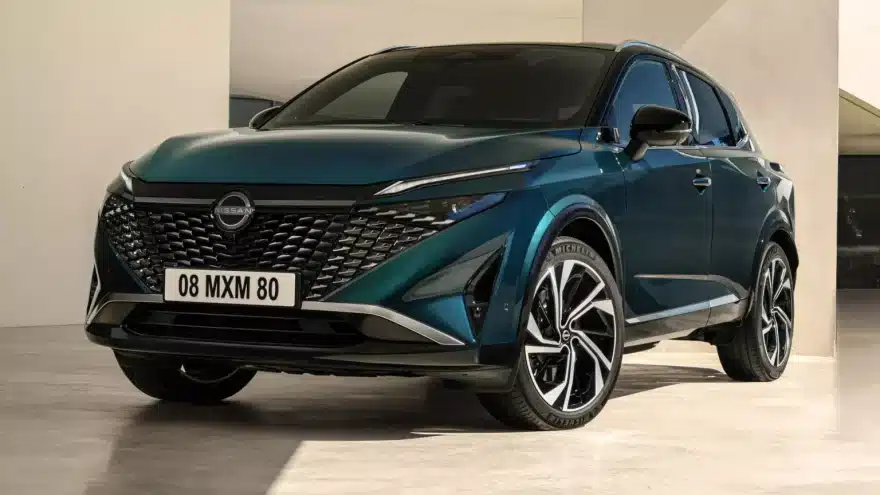
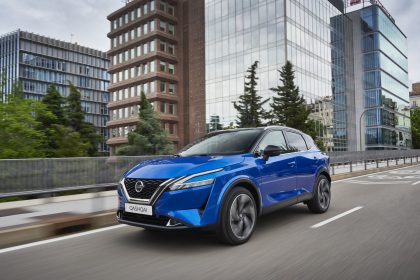
Nissan Qashqai e-Power — from €34,900
Its renewed e-Power technology — a petrol engine that only generates electricity, with no direct drive to the wheels — gives a curiously electric driving sensation and a very low homologated consumption, although the boot is the tightest in the group.
| Power (CV) | Power (kW) | Consumption | Boot | Label | Fuel |
|---|---|---|---|---|---|
| 205 | 151 | 4.4 l/100 km | 479 l | ECO | Hybrid |
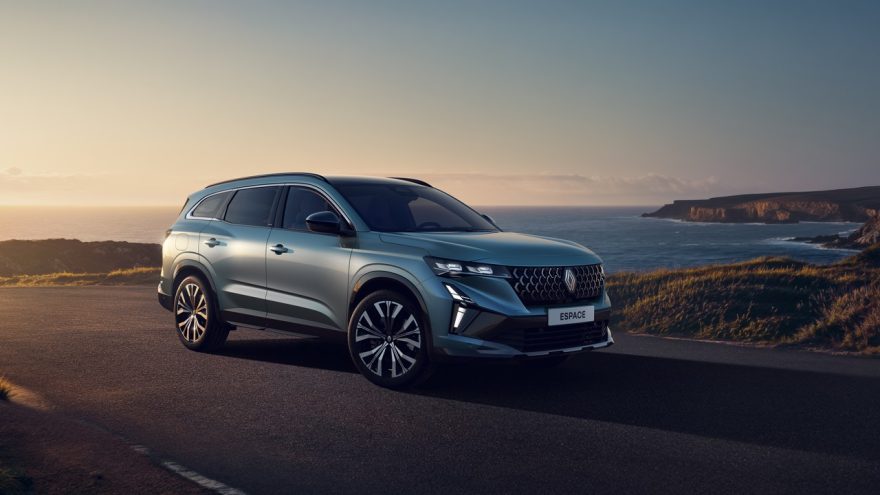
Renault Austral E-Tech full hybrid — from €31,731
With current promotions and the limited edition, it positions itself as the most affordable entry point in this comparison, with agile response in town. That said, on long motorway stretches it doesn’t quite convince me as much as the RAV4 in terms of acoustic refinement.
| Power (CV) | Power (kW) | Consumption | Boot | Label | Fuel |
|---|---|---|---|---|---|
| 200 | 147 | 4.8 l/100 km | 430 – 555 l | ECO | Hybrid |
Final comparison: summary table with scores
| Model | Price from | Boot | Mixed consumption | Urban comfort (1-10) | Motorway consumption (1-10) | Boot (1-10) |
|---|---|---|---|---|---|---|
| Toyota RAV4 | €44,250 | 514 l | 4.9 l/100 km | 9 | 8 | 7 |
| Kia Sportage HEV | €35,131 | 587 l | 5.5 l/100 km | 8 | 8 | 9 |
| Hyundai Tucson Hybrid | €40,775 | 616 l | 5.6 l/100 km | 8 | 8 | 10 |
| Honda CR-V e:HEV | €45,445 | 587 l | 5.9 l/100 km | 9 | 7 | 9 |
| Nissan Qashqai e-Power | €34,900 | 479 l | 4.4 l/100 km | 8 | 8 | 6 |
| Renault Austral E-Tech | €31,731 | 430 – 555 l | 4.8 l/100 km | 7 | 7 | 7 |
Running costs, taxation and public aid
The ECO label opens the door to toll discounts in some regions, tax reductions on the vehicle circulation tax and free access to low-emission zones — a saving that is felt more than it seems in daily life if you live in a large city. That said, it should be clarified that these models cannot benefit from the state aid of the Plan Auto+, as that programme is reserved exclusively for vehicles with a CERO label (pure electric and plug-in hybrids). None of these six models needs a plug, so the saving comes solely from fuel consumption, each brand’s commercial offers, and the taxation linked to the ECO label.
Our verdict: which family hybrid SUV to choose according to your priority
If boot space rules, the Hyundai Tucson Hybrid, the Kia Sportage HEV and the Honda CR-V e:HEV come first. If budget is tight, the Renault Austral E-Tech and the Nissan Qashqai e-Power offer the most competitive starting prices with very contained homologated consumption. And if what you want is pure comfort for long journeys, the Honda CR-V e:HEV and the Toyota RAV4 have strong arguments. There is no absolute winner — none of the six is a panacea either — but there is a right choice depending on which variable weighs most in your case. Anyone who wants to compare with pure urban territory can check our ranking of urban hybrid SUVs with the best ECO label, where boot space counts for less than manoeuvrability.
Frequently asked questions
Which is the best family compact hybrid SUV in 2026?
It depends on the criterion: for boot space the Hyundai Tucson Hybrid wins, for entry price the Renault Austral E-Tech full hybrid, and for overall comfort the Toyota RAV4 and the Honda CR-V e:HEV compete for first place.
Do these hybrid SUVs consume a lot on long motorway journeys?
Between 6.0 and 7.2 l/100 km real at motorway speed — above the mixed WLTP figure, yet still competitive against an equivalent petrol or diesel.
What boot space does a family of four really need?
From 550 litres you travel with genuine margin; below that, you need to plan luggage more carefully, which particularly affects the Nissan Qashqai e-Power and the Toyota RAV4.
Is it worth waiting for a plug-in hybrid version instead of a conventional hybrid?
If most of your journeys are urban and you can charge at home, the PHEV saves more; if motorway driving predominates or you have no fixed charging point, the conventional hybrid is more practical and free of added complications.
Technical specifications of the cars in this article

 Kia offers an electric range of 10 models, 50 versions and 400 possible combinations
 The seven finalists for the 2027 European Car of the Year (COTY) are exclusively electric
 Peugeot E-208 GTi: a battery-powered toy that revives the spirit of the 1980s sports cars
Deja un comentario