How to Choose a Plug-in Hybrid SUV in 2026 Based on AC Charging Power and Real Urban Use
 Iván Navarro
12 July 2026
7 min.
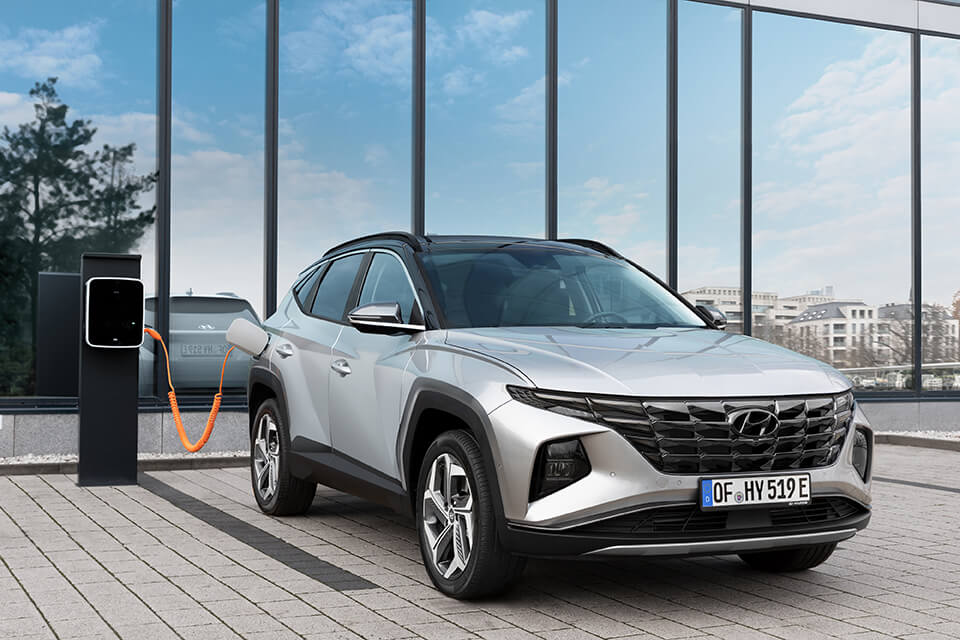
2026 buying guide for choosing a plug-in hybrid SUV in Spain, based on real AC charging power and sustained electric range in urban driving. Models, figures and editorial criteria.
Buying a plug-in hybrid SUV in 2026 is no longer just a matter of looking at the manufacturer’s logo or being swayed by the official WLTP electric range figure. There are two variables that almost no publication puts on the table and which, in our view, make the difference between a PHEV that fits real life and one that ends up running as a conventional hybrid most of the time: the AC charging power accepted by the onboard charger and the sustained electric range in Spanish urban cycles, with heat, air conditioning and ZBE traffic.
Before getting into the details, an editorial note. In this guide we have decided to leave out the PHEV SUVs from BYD. This is not a criticism of the brand—we find its pure electric models competitive—but we believe other Chinese brands already present in Spain offer plug-in hybrid powertrains better tuned to European tastes, with smoother transitions between electric and combustion engines and higher efficiency in mixed use. It is a judgement call, not an absolute verdict.
Why does AC charging power matter more than you think in a PHEV?
Most buyers look at the battery (kWh) and the WLTP range. That is a mistake. A PHEV with 20 kWh usable and a 3.7 kW onboard charger needs more than five hours to charge. With 7.4 kW, just under three. With 11 kW three-phase, a little over an hour and a half. In real urban use—two charges a day at the office and at home—the difference between 3.7 and 7.4 kW is what separates a PHEV that makes its battery pay off from one that is left half-used.
3.7 kW, 7.4 kW and 11 kW: what to expect in practice
In the Spanish market, most compact PHEVs are still stuck at 3.7 kW single-phase. German premium brands offer 7.4 kW as standard and, in some cases, 11 kW three-phase as an option. If your garage has a three-phase supply, going for 11 kW changes the daily equation; if not, 7.4 kW is the reasonable minimum for 2026.
Sustained electric range in Spanish urban cycles
WLTP homologation is carried out between 15 and 25 °C, without aggressive air conditioning or long gradients. In Madrid in July, with the climate control set to 22 °C and dense traffic, the real-world range of a PHEV drops by between 20% and 30%. An SUV homologated at 85 km will cover between 60 and 65 km. Keep that in mind. A 40 km daily commute with a stop in a ZBE is perfectly manageable in pure electric mode with almost any modern PHEV; a full week without burning petrol is another matter.
Kia Sportage PHEV — from 43,500 €
The Kia Sportage PHEV fits a 7.2 kW AC charger and a 13.8 kWh battery that delivers around 70 km WLTP. In real city driving, it manages 50-55 km. Its main strength is the price-to-equipment ratio and that seven-year warranty, which remains a hard argument to counter.
| Power kW | Power CV | Average speed | Electric range | Consumption | Label | Fuel |
|---|---|---|---|---|---|---|
| 195 kW | 265 CV | 191 km/h | 70 km | 1.1 l/100 km | ZERO | PHEV |
Hyundai Tucson PHEV — from 42,900 €
It shares its platform with the Sportage, but the handling is different: steering slightly lighter, suspension a touch softer. The 7.2 kW charger and 13.8 kWh battery deliver almost identical figures. In my opinion, the interior of the Hyundai Tucson PHEV ages better.
| Power kW | Power CV | Average speed | Electric range | Consumption | Label | Fuel |
|---|---|---|---|---|---|---|
| 195 kW | 265 CV | 191 km/h | 70 km | 1.1 l/100 km | ZERO | PHEV |
Cupra Formentor e-Hybrid — from 45,900 €
The Cupra Formentor e-Hybrid is a different matter. The new generation fits a 25.7 kWh battery and an 11 kW AC charger, which cuts a full charge to just over two hours. Declared electric range above 100 km. In real urban use, 75-80 km is achievable. Note: the steering is heavier than the Kia’s, which is welcome on the open road.
| Power kW | Power CV | Average speed | Electric range | Consumption | Label | Fuel |
|---|---|---|---|---|---|---|
| 200 kW | 272 CV | 210 km/h | 110 km | 0.4 l/100 km | ZERO | PHEV |
Peugeot 3008 Hybrid — from 44,500 €
Based on the STLA Medium platform, the plug-in Peugeot 3008 Hybrid comes with a 7.4 kW charger and a battery of around 21 kWh usable. WLTP range above 80 km. Panoramic i-Cockpit interior—you either love it or you don’t—and clean, quiet, perhaps slightly sterile driving dynamics.
| Power kW | Power CV | Average speed | Electric range | Consumption | Label | Fuel |
|---|---|---|---|---|---|---|
| 143 kW | 195 CV | 220 km/h | 85 km | 0.8 l/100 km | ZERO | PHEV |
Mercedes-Benz GLC 300e — from 68,900 €
Now we step up a class. The Mercedes GLC 300e features a 31.2 kWh battery and an 11 kW three-phase AC charger as standard, in addition to supporting DC fast charging. Real electric range above 100 km without breaking a sweat. It is the PHEV that least often forces the combustion engine to start during a week of urban use. Expensive, yes. Is it worth it? That depends on your mileage.
| Power kW | Power CV | Average speed | Electric range | Consumption | Label | Fuel |
|---|---|---|---|---|---|---|
| 230 kW | 313 CV | 218 km/h | 130 km | 0.5 l/100 km | ZERO | PHEV |
BMW X1 xDrive30e — from 55,900 €
The BMW X1 xDrive30e offers a 7.4 kW charger and around 80-90 km WLTP. In town, 60-65 km real. It does not match the GLC’s figures but costs considerably less and keeps that steering feel which remains a trademark of the house.
| Power kW | Power CV | Average speed | Electric range | Consumption | Label | Fuel |
|---|---|---|---|---|---|---|
| 240 kW | 326 CV | 210 km/h | 90 km | 0.8 l/100 km | ZERO | PHEV |
MG HS PHEV — from 33,990 €
The Chinese option we do include. The MG HS PHEV boasts a large battery (24.7 kWh), WLTP range above 100 km and a knock-down price. Its weak point: an AC charger limited to 6.6 kW and a regenerative braking calibration that does not quite convince me in dense traffic.
| Power kW | Power CV | Average speed | Electric range | Consumption | Label | Fuel |
|---|---|---|---|---|---|---|
| 220 kW | 299 CV | 190 km/h | 120 km | 0.7 l/100 km | ZERO | PHEV |
Summary table and editorial rating
| Model | Battery | AC charging | WLTP range | Real urban range | Price from | Highmotor rating |
|---|---|---|---|---|---|---|
| Kia Sportage PHEV | 13.8 kWh | 7.2 kW | 70 km | 50-55 km | 43,500 € | 7.5 |
| Hyundai Tucson PHEV | 13.8 kWh | 7.2 kW | 70 km | 50-55 km | 42,900 € | 7.5 |
| Cupra Formentor e-Hybrid | 25.7 kWh | 11 kW | 110 km | 75-80 km | 45,900 € | 8.7 |
| Peugeot 3008 Hybrid | 21 kWh | 7.4 kW | 85 km | 60-65 km | 44,500 € | 8.0 |
| Mercedes GLC 300e | 31.2 kWh | 11 kW + DC | 130 km | 100+ km | 68,900 € | 9.2 |
| BMW X1 xDrive30e | 19.7 kWh | 7.4 kW | 90 km | 60-65 km | 55,900 € | 8.3 |
| MG HS PHEV | 24.7 kWh | 6.6 kW | 120 km | 70-75 km | 33,990 € | 7.8 |
Our verdict: which PHEV SUV we would buy in 2026
If budget is no object, the GLC 300e is the technical benchmark: 11 kW three-phase, DC fast charging and over 100 km of real range. For those seeking the best price-range-charging balance, the Cupra Formentor e-Hybrid is, in our view, the smartest purchase of 2026. And if price is the priority, the MG HS PHEV is unbeatable in euros per kWh of battery, although its AC charger falls short for intensive use.
Frequently asked questions
What AC charging power do I need in a PHEV SUV for daily urban use?
3.7 kW is enough if you charge overnight and drive fewer than 40 km a day. For two charges a day or 60-80 km trips, 7.4 kW is the reasonable minimum. If you have a three-phase supply, 11 kW makes the most of batteries above 20 kWh.
How much real electric range can I expect compared with the WLTP figure?
In Spanish urban cycles with climate control, expect 20-30% less than the homologated figure. A PHEV SUV rated at 85 km WLTP will cover between 60 and 65 real km; in winter, a bit less.
Is a PHEV SUV worth it in 2026, or is a pure electric better?
It depends on use. If you drive more than 20,000 km a year with frequent long trips and do not have easy access to fast charging, a well-chosen PHEV—with a 7.4 kW or greater charger and a battery above 20 kWh—still makes sense. Below 15,000 km a year and with a garage, a pure electric usually pays off.
Will PHEVs keep the DGT ZERO label in 2026?
Yes. Current regulations keep the ZERO label for PHEVs with a homologated electric range above 40 km. It remains to be seen whether criteria tighten in the medium term, but for 2026 all the models cited here retain their ZBE access and tax advantages.

 Peugeot E-208 GTi: a battery-powered toy that revives the spirit of the 1980s sports cars
 New Lexus ES: luxury grows and goes electric
 First contact with the Dacia Sandero Hybrid 155: power and efficiency from €19,890
Deja un comentario