Electric Cars Buying Guides SUV
How to Choose an Electric SUV Under €40,000 in 2026: Real-World Range, Equipment and the Costs That Make the Difference
 Carlos Romero
17 June 2026
6 min.
Premium guide to choosing the best electric SUV under €40,000 in Spain in 2026, with real-world range, key equipment and total cost of ownership.
The electric SUV has become the real barometer of the Spanish market. In 2026, the psychological barrier of €40,000 separates the aspirational from the viable, and that threshold—with the MOVES Plan discount already applied—concentrates the most interesting offer for the private buyer. The good news is that this year’s generation combines native electric platforms, standard heat pumps and DC charging speeds that finally justify the trip. The bad news: the fine print still makes the difference between a good purchase and one that disappoints six months later.
What Defines a Good Electric SUV Under €40,000 Today
The bar has risen. An electric SUV under €40,000 that aspires to be recommended in 2026 should offer at least 400 km of real WLTP range, DC charging above 100 kW, a heat pump and a complete level 2 ADAS package. Below those minimums, the car ages poorly against competition that no longer forgives.
WLTP Range vs. Real-World Range: The Difference Nobody Tells You at the Dealership
WLTP homologation is measured under controlled conditions. In mixed Spanish use—motorway at 120 km/h, climate control running and variable terrain—the reduction is around 20-25%. An SUV rated at 450 km delivers 340-360 km in real conditions in summer and can drop to 280 km in January. That is the number that matters, not the brochure.
DC Charging Power, Heat Pump and Efficiency: The Trio That Decides the Real Cost
A well-implemented heat pump saves up to 30% of consumption in winter. DC charging below 80 kW condemns you to endless stops; above 120 kW, a 10-80% charge takes under 30 minutes. And efficiency—kWh/100 km—is the figure that determines the cost per kilometre over ten years.
MOVES Plan Grants and Taxation: How to Lower the Real Price Below €40,000
The MOVES Plan remains the great equaliser. With scrappage, the discount reaches €7,000 for private buyers, plus a 15% income tax deduction up to a €20,000 base. This means an SUV with an RRP of €42,000-44,000 can effectively end up below €36,000 net. This is the editorial line we follow in this guide: effective price, not showroom price.
The Best Electric SUVs of 2026 Under €40,000 in Spain
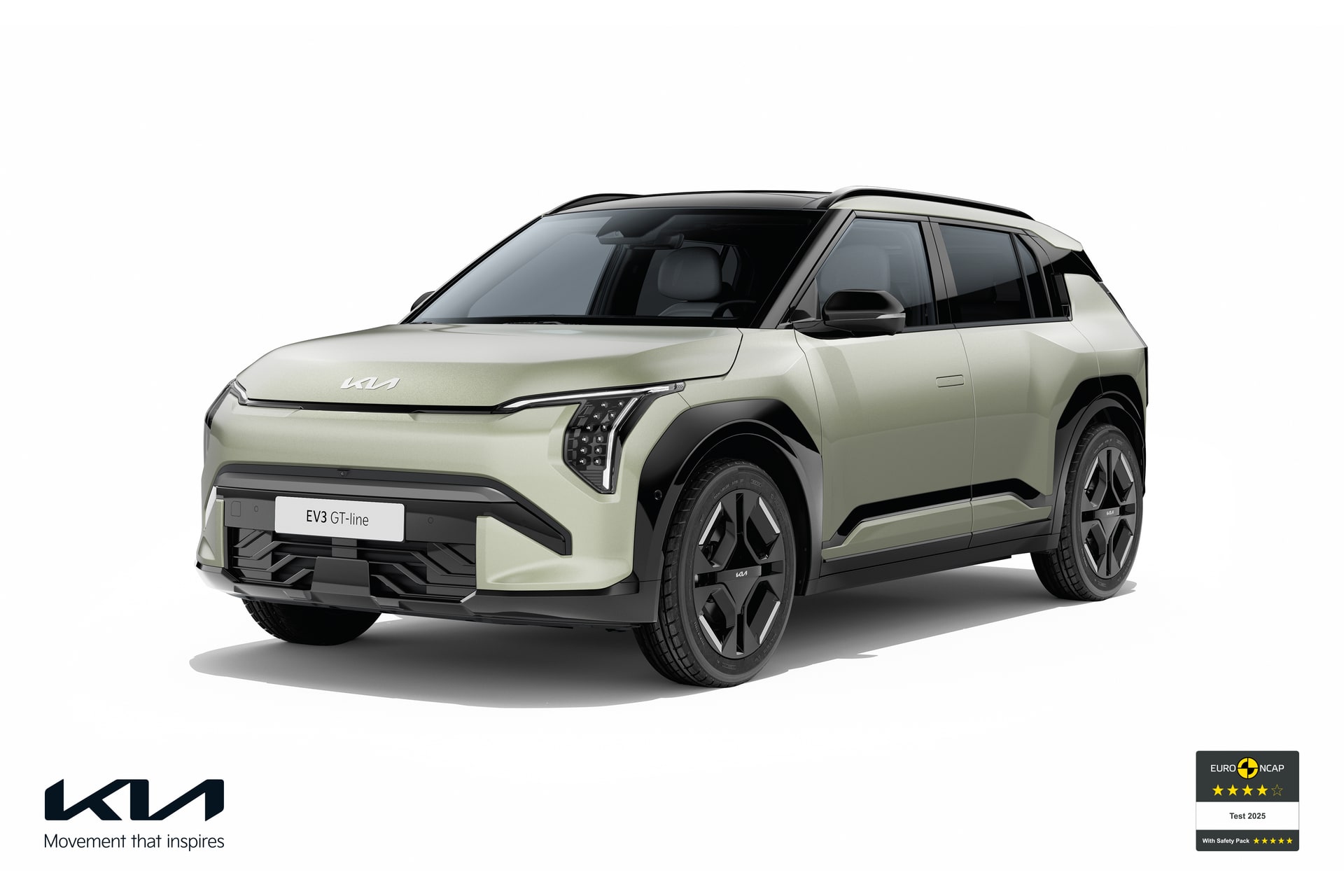
Kia EV3 — from €35,990
The EV3 is, right now, the objective benchmark of the segment. An adapted second-generation E-GMP platform, a 58.3 kWh battery in entry form and 81.4 kWh in Long Range, a standard heat pump in mid-range trims and an interior that rewrites what we expected from a Korean car at this price. DC charging stays at 128 kW—somewhat conservative—but the thermal management compensates.
| Power kW | Power CV | Top speed | Range | Consumption | Label | Fuel |
|---|---|---|---|---|---|---|
| 150 kW | 204 CV | 170 km/h | 605 km WLTP | 14.9 kWh/100 km | Zero | Electric |
Citroën ë-C4 — from €32,500
The ë-C4 plays in a different conceptual league: a comfort-oriented crossover SUV, suspension with progressive hydraulic bump stops and Advanced Comfort seats. With the 54 kWh battery it approaches 420 km WLTP. It is not the fastest at charging (100 kW DC), but its urban consumption is brilliant.
| Power kW | Power CV | Top speed | Range | Consumption | Label | Fuel |
|---|---|---|---|---|---|---|
| 115 kW | 156 CV | 150 km/h | 420 km WLTP | 15.2 kWh/100 km | Zero | Electric |
Peugeot e-2008 — from €36,300
Compact and urban, with the i-Cockpit 3D that remains divisive but effective. The update to 54 kWh and a 156 CV motor puts it at 406 km WLTP. Solid finishes and a brand image that holds residual value better than average.
| Power kW | Power CV | Top speed | Range | Consumption | Label | Fuel |
|---|---|---|---|---|---|---|
| 115 kW | 156 CV | 150 km/h | 406 km WLTP | 15.4 kWh/100 km | Zero | Electric |
Hyundai Kona Electric — from €37,900
The second-generation Kona is probably the most balanced in the group. An adapted platform but with a 65.4 kWh pack delivering 514 km of real WLTP range, DC charging at 102 kW and a cabin that has made an evident qualitative leap.
| Power kW | Power CV | Top speed | Range | Consumption | Label | Fuel |
|---|---|---|---|---|---|---|
| 160 kW | 218 CV | 172 km/h | 514 km WLTP | 16.6 kWh/100 km | Zero | Electric |
MG ZS EV — from €30,490
The most affordable and, in euro-per-kilometre terms, unbeatable. 70 kWh of battery in the Long Range version, 440 km WLTP and seven years of warranty. Perceived quality doesn’t compete with the Koreans, but the numbers add up.
| Power kW | Power CV | Top speed | Range | Consumption | Label | Fuel |
|---|---|---|---|---|---|---|
| 115 kW | 156 CV | 175 km/h | 440 km WLTP | 17.7 kWh/100 km | Zero | Electric |
BYD Atto 3 — from €33,900
60.5 kWh Blade LFP battery, a safer and more durable chemistry, 420 km WLTP and an interior that is a bit too opinionated but well built. DC charger limited to 88 kW: its weak point for those who drive a lot on motorways.
| Power kW | Power CV | Top speed | Range | Consumption | Label | Fuel |
|---|---|---|---|---|---|---|
| 150 kW | 204 CV | 160 km/h | 420 km WLTP | 16.0 kWh/100 km | Zero | Electric |
Renault Scenic E-Tech — from €39,800
The electric Scenic is the rational outsider: AmpR Medium platform, 60 kWh in entry form, 420 km WLTP and a level of ride refinement reminiscent of higher segments. Right at the edge of the budget, but it makes it.
| Power kW | Power CV | Top speed | Range | Consumption | Label | Fuel |
|---|---|---|---|---|---|---|
| 125 kW | 170 CV | 150 km/h | 420 km WLTP | 16.3 kWh/100 km | Zero | Electric |
Electric SUV Comparison Under €40,000: Summary Table and Score
| Model | Price from | WLTP range | Power | DC charging | Consumption | Score /10 |
|---|---|---|---|---|---|---|
| Kia EV3 | €35,990 | 605 km | 204 CV | 128 kW | 14.9 kWh | 9.2 |
| Hyundai Kona EV | €37,900 | 514 km | 218 CV | 102 kW | 16.6 kWh | 8.7 |
| Renault Scenic E-Tech | €39,800 | 420 km | 170 CV | 130 kW | 16.3 kWh | 8.4 |
| MG ZS EV | €30,490 | 440 km | 156 CV | 92 kW | 17.7 kWh | 8.1 |
| BYD Atto 3 | €33,900 | 420 km | 204 CV | 88 kW | 16.0 kWh | 7.9 |
| Peugeot e-2008 | €36,300 | 406 km | 156 CV | 100 kW | 15.4 kWh | 7.8 |
| Citroën ë-C4 | €32,500 | 420 km | 156 CV | 100 kW | 15.2 kWh | 7.7 |
Real Cost of an Electric Car: What It Actually Costs to Drive 15,000 km a Year
At €0.15/kWh for nighttime home charging, 15,000 km a year comes to roughly €360-400 in electricity. Comprehensive insurance: €600-800. Maintenance: €200-300 (half that of a combustion car). No circulation tax in major cities and with ZBE zones resolved. The five-year TCO leaves the electric car clearly below a diesel equivalent, even after discounting the initial grant.
Frequently Asked Questions
What is the best electric SUV under €40,000 in 2026?
The Kia EV3 is the objective benchmark for real-world range, efficiency and equipment, starting at €35,990 before grants. The Hyundai Kona Electric is the most balanced alternative.
How much real-world range does a €40,000 electric SUV offer?
Between 320 and 450 km in mixed use, depending on the model and battery. Deduct 20-25% from the WLTP figure for your calculations.
How do MOVES Plan grants affect the final price?
They can reduce the price by up to €7,000 with scrappage, plus the 15% income tax deduction. A €42,000 car can effectively end up below €36,000.
Is it worth buying an electric SUV instead of a hybrid today?
Yes, if you have charging at home or at work and drive more than 10,000 km a year. The five-year total cost of ownership is clearly lower than that of an equivalent hybrid.


 Peugeot E-208 GTi: a battery-powered toy that revives the spirit of the 1980s sports cars
 New Lexus ES: luxury grows and goes electric
 First contact with the Dacia Sandero Hybrid 155: power and efficiency from €19,890
Deja un comentario