Volvo EX40 vs Audi Q4 e-tron: premium pulse from the most refined urban electric SUV
 Carlos Romero
17 June 2026
5 min.
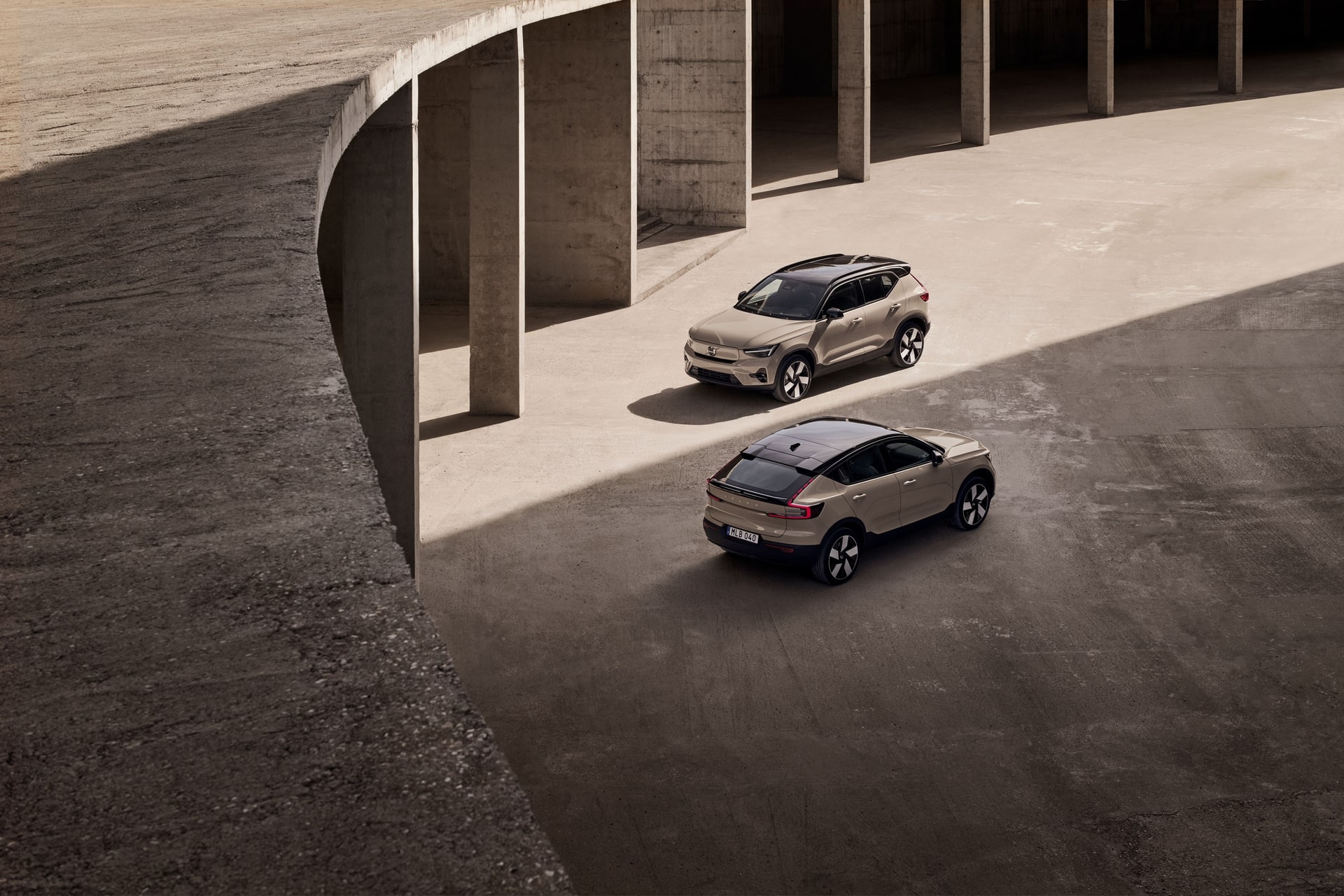
Technical comparison between the Volvo EX40 and the Audi Q4 e-tron, the two most sought-after premium electric SUVs in the C-segment in Spain. We analyse real-world range, power, perceived quality and the price-to-equipment ratio.
The premium urban electric SUV segment is experiencing a fascinating moment of maturity. It is no longer enough to add kilometres of range or boast about strong acceleration: the demanding buyer looks for refinement, a perceived quality that justifies the outlay, and a driving experience consistent with the brand’s promise. In that arena, two contenders face each other with solid arguments: the Volvo EX40, the direct successor to the XC40 Recharge with a change of image and nomenclature, and the Audi Q4 e-tron, the four-rings compact electric SUV that shares the MEB platform with a good part of the VAG group.
Two premium philosophies for the same urban customer
Although they share the same target customer — the well-off city dweller, the urban executive, the small family with a technology focus — the Volvo EX40 vs Audi Q4 e-tron present two different readings of what a premium electric SUV should be. The Swedish car bets on a more emotional proposition, with refined Scandinavian design and an almost sculptural approach to the cabin. The German car prioritises Germanic rationality: generous interior space, precisely engineered ergonomics and the sense of solidity characteristic of Ingolstadt.
Volvo EX40 (from ≈47,000 €): the Scandinavian that packs a punch
The Volvo EX40 arrives in its Single Motor version with a clear technical approach: rear-wheel drive (a significant change from previous generations), 240 CV of power and a 70 kWh usable battery offering up to 480 km of WLTP-rated range. The figure is not pure marketing: in real urban and mixed use, the EX40 comfortably achieves between 380 and 420 km, dispelling range anxiety for daily use.
Refinement is where the Swede stands out. Sound insulation is remarkable, the steering has a pleasant feel and the suspension filters Spanish road surfaces with elegance. The interior, dominated by the vertical screen with integrated Google system, conveys calm and fine materials, with a bold use of recycled textiles that does not sacrifice luxury.
| Power kW | Power CV | Top speed | Range | Consumption | Label | Fuel |
|---|---|---|---|---|---|---|
| 180 kW | 240 CV | 180 km/h | 480 km | ≈16.5 kWh/100km | Zero | Electric |
Audi Q4 e-tron (from ≈49,400 €): Germanic solidity with the MEB platform
The Audi Q4 e-tron in its 40 Advanced variant plays other cards. Its 200 CV, powered by a 63 kWh battery, deliver a WLTP-rated range of 410 km, an honest figure that translates into roughly 330-360 km of mixed real-world range. Fewer kilometres than the Volvo, yes, but accompanied by a sense of robustness and dynamic poise that is hard to match at this price.
The Q4 e-tron’s interior is where Audi makes its mark: impeccable fit and finish, first-rate materials and a virtual cockpit alongside the MMI that remains a benchmark for infotainment in clarity and responsiveness. Rear-seat space is generous — a direct benefit of the MEB architecture with the battery under the floor — and the 520-litre boot makes it an extremely practical car for families.
| Power kW | Power CV | Top speed | Range | Consumption | Label | Fuel |
|---|---|---|---|---|---|---|
| 150 kW | 204 CV | 160 km/h | 410 km | ≈17 kWh/100km | Zero | Electric |
Real-world range and charging: the Volvo wins on figures, the Audi on consistency
In the contest for Audi Q4 e-tron range against the Swede, the EX40 prevails on paper with its 70 kWh and 480 homologated km. However, the Q4 e-tron defends its position with efficient thermal management and stable charging curves. Both accept DC fast charging, enough to recover around 80% in a little over half an hour on powerful chargers.
Perceived quality and driving experience
The EX40 conveys serenity: soft steering, well-judged braking and a very refined “one pedal” mode. The Q4 e-tron feels more traditional behind the wheel, with classic European tuning and predictable responses that win over drivers coming from combustion cars.
Price, equipment and positioning
The Volvo EX40 price starts at approximately 47,000 €, while the Q4 e-tron 40 Advanced is around 49,400 €. Important: these prices are manufacturer’s recommended retail prices (RRP), without taking into account offers, dealer discounts, specific campaigns or purchase grants such as the Plan MOVES III. The Swede offers more power and range for less money; the German compensates with brand prestige and service network.
Summary table and verdict
| Model | Power | Range | Price from | Refinement | Perceived quality | Price/value ratio | Overall score |
|---|---|---|---|---|---|---|---|
| Volvo EX40 | 240 CV | 480 km | ≈47,000 € | 9/10 | 8.5/10 | 9/10 | 8.8/10 |
| Audi Q4 e-tron 40 | 204 CV | 410 km | ≈49,400 € | 8.5/10 | 9/10 | 8/10 | 8.5/10 |
In the urban premium electric SUV comparison, the Volvo EX40 stands out as the most balanced option in performance and price, while the Audi Q4 e-tron remains the benchmark for those who prioritise interior craftsmanship and the prestige of the four rings.
Frequently asked questions
Which has more real-world range, the Volvo EX40 or the Audi Q4 e-tron 40?
The Volvo EX40 offers 480 km WLTP versus the 410 km of the Audi Q4 e-tron 40. In real use, the Swede keeps the advantage with 380-420 km mixed versus the German’s 330-360 km.
What is the best premium urban electric SUV in 2024?
If you prioritise range, power and price, the Volvo EX40 is the most rational choice. If you value the perceived quality of the interior and the brand image, the Audi Q4 e-tron remains hard to beat.
Which premium electric SUV has the best price-to-equipment ratio?
The Volvo EX40 offers better standard equipment with the integrated Google system, more power (240 CV vs 200 CV) and greater range for about 2,400 € less than the Audi Q4 e-tron 40 Advanced.
Are they compatible with fast charging points in Spain?
Yes, both models accept DC fast charging at Ionity, Iberdrola, Endesa X and other public networks, recovering 10-80% in approximately 30-40 minutes depending on conditions.


 Peugeot E-208 GTi: a battery-powered toy that revives the spirit of the 1980s sports cars
 New Lexus ES: luxury grows and goes electric
 First contact with the Dacia Sandero Hybrid 155: power and efficiency from €19,890
Deja un comentario