Hyundai Ioniq 5: Range and urban performance for the demanding buyer
 Iván Navarro
10 March 2026
7 min.
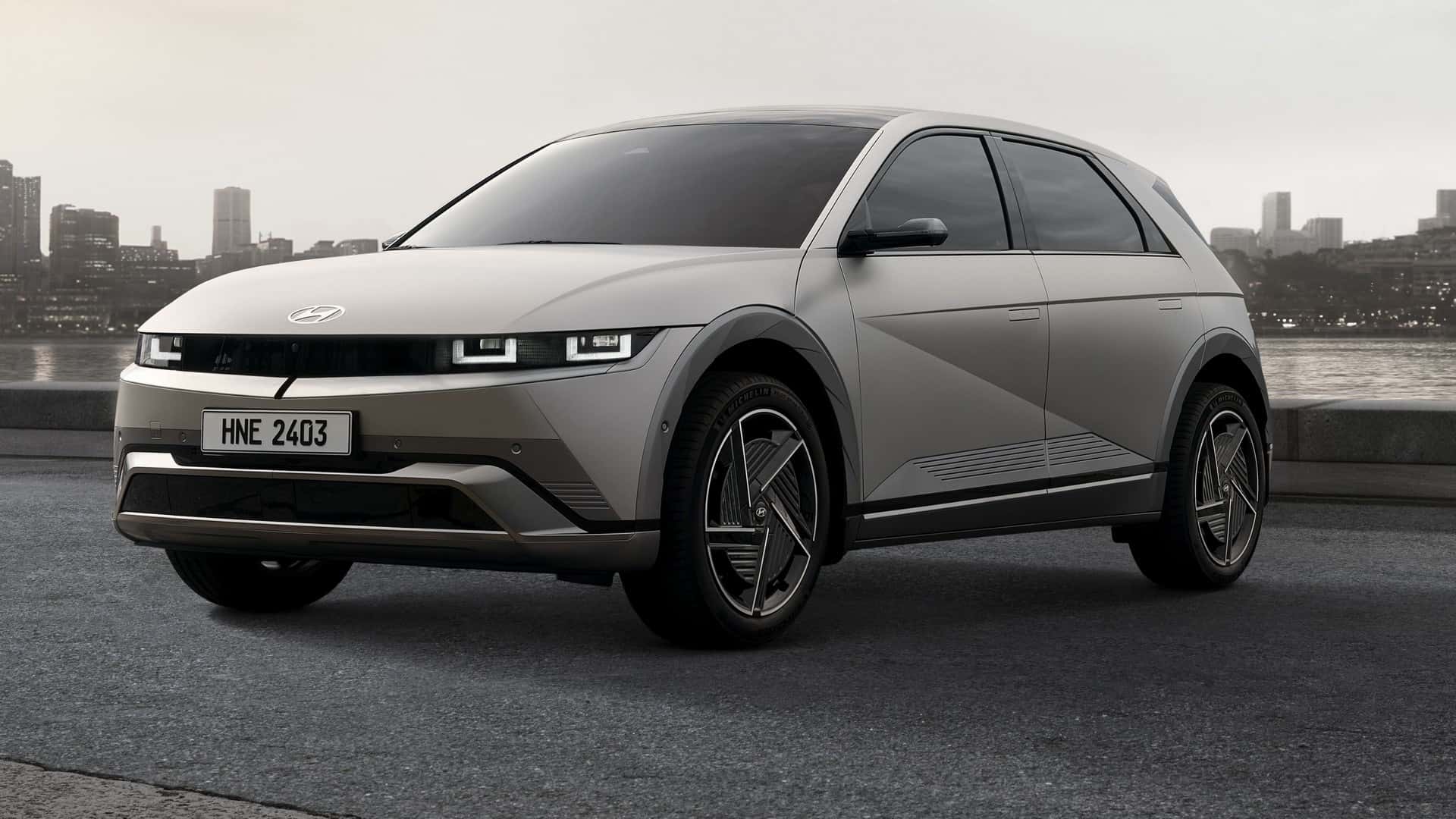
The Hyundai Ioniq 5 is one of the most interesting electric vehicles in its segment and one of the few among its direct rivals to feature an 800V architecture, with everything that entails in terms of efficiency and charging times.
For those who wonder whether an electric car can handle everyday urban driving without compromising practicality or making it more expensive to run, the Hyundai Ioniq 5 stands out as a solid option that combines range and versatility. With a WLTP range of up to 481 km in the highest-battery version, combined power in options of up to 306 CV, and a mechanical layout that allows rear-wheel and all-wheel drive configurations, the model aims to suit different user profiles.
The starting price in Spain is from 44,900 euros (without aid or discounts), which raises key questions: what real range can be expected in the city compared with the WLTP figure? How does home charging affect the cost per kilometre? Is the investment worthwhile compared with electric and diesel alternatives in intensive urban use? The analysis incorporates real-world urban range data, traffic behaviour and operating costs to offer a complete assessment that includes concrete figures, behaviour and running costs.
The essentials of the Hyundai Ioniq 5
The Hyundai Ioniq 5 offers an attractive combination of efficiency and interior space that makes it especially competitive in urban environments. Its response in the city is agile, the electric system takes advantage of regenerative braking, and the larger-battery versions allow longer intervals between charges. It is worth considering if the priority is comfort, technology and a range capable of covering much of the working week without daily charging; less recommendable if the budget is very tight and driving involves frequent long interurban journeys that require maximum efficiency at sustained speeds.
Technical specifications and main features
| Engine | Electric, RWD and AWD versions |
| Power | Up to 306 CV (depending on version) |
| WLTP range | Up to 481 km (77 kWh version) |
| Battery / Capacity | 58 kWh and 77 kWh (approx.) |
| Homologated consumption | Varies by version; around 16-19 kWh/100 km combined |
| 0-100 km/h acceleration | From ~5.0 s (most powerful versions) |
| Length | Approx. 4.6 m |
| Boot | Approx. 531 litres (variable configuration) |
| Price from | from 44,900 euros (without aid or discounts) |
Design and market positioning
The Ioniq 5 displays a design language that blends retro-futuristic features with a moderate SUV-coupé silhouette. Its market position is that of a technological and practical model, slightly above the average value-for-money proposition, aimed at those who demand habitability and electric performance without the premium label. The E-GMP platform allows it to make the most of generous interior spaces and modular solutions.
Interior, space and technology
The cabin stands out for its spaciousness, elevated driving position and rear space that is genuinely usable by two adults. The materials represent a marked improvement over previous generations, and the technology equipment includes a dual screen for instrumentation and infotainment, wireless charging and advanced driver-assistance systems. The ergonomics make urban use easy, and the storage spaces are well resolved.
Motor, real range and behaviour
In the city the Ioniq 5 makes good use of regeneration and the efficiency of the electric motor: real urban range usually comfortably exceeds the WLTP combined figures, especially with smooth driving and medium recovery modes. In real-world tests with dense traffic urban consumption below 16 kWh/100 km has been observed in the larger-battery versions, which translates into an effective range covering several days without charging. The suspension balances comfort and control, and the response of the powertrain is immediate, making manoeuvres and short acceleration bursts in the city easy.
Charging, efficiency and running costs
Home charging at 7.4 kW allows sufficient range to be recovered overnight for regular urban use; DC fast charging reduces times, but habitual use increases the effective cost per kWh. In terms of cost per kilometre, with average domestic electricity, the Ioniq 5 usually sits below the operating cost of an equivalent diesel in urban cycles, although amortisation will depend on annual mileage and purchase price.
Price, versions and equipment
The range covers everything from more affordable versions with a small battery to performance and AWD variants with larger batteries. Standard equipment includes safety assistants, connectivity and cable charging, while options such as ventilated seats or advanced technology packs raise the final price above the base tariff.
Purchase aid
- Direct aid: discount applied at the dealership.
- Amount: up to 4,500 € for electric / 3,375 € for PHEV.
- Retroactivity: from 1 January 2026.
- Price limits: normally up to 45,000 €.
- Beneficiaries: private individuals, self-employed workers and companies.
Who this car is for
The Ioniq 5 suits demanding urban users who value comfort, technology and a useful boot; it is also a good choice for those who make regular medium-distance journeys and wish to avoid daily charging. It is not the most economical choice for buyers on very tight budgets or for fleets that prioritise the initial cost per unit over equipment and user experience.
The best and what could be better
The best
Interior space and modularity, real urban efficiency, agile behaviour in traffic, and a range that allows days without frequent charging in the city.
What could be better
An entry price that may seem high compared with alternatives, equipment options that increase the cost of the unit, and occasional dependence on fast charging for intensive interurban use.
Alternatives on the market
Tesla Model 3 (from 45,900 €)
Offers a better charging network and motorway performance; less interior space than the Ioniq 5 in some dimensions, but greater efficiency at sustained speed.
Volkswagen ID.4 (from 39,900 €)
A more practicality-focused alternative with slightly lower total acquisition cost; modular interior and a good after-sales service network in Europe.
Kia EV6 (from 41,800 €)
A close technical relative, with a more sporty focus in some versions and competitive finishes; similar in range and behaviour, with nuances in design and presentation.
Frequently asked questions about the Hyundai Ioniq 5
Is the Hyundai Ioniq 5 worth it compared with an equivalent diesel?
Technically yes for intensive urban use: the electric cost per kilometre is usually lower than diesel in the city thanks to efficiency and regeneration; the decision depends on annual mileage and initial cost, which may be higher for the Ioniq 5.
What real range does the Hyundai Ioniq 5 offer on the motorway?
On the motorway at sustained speed the range is reduced compared with the WLTP cycle; realistic values range between 60–75% of WLTP depending on speed and conditions, so a version rated at 480 km may come to around 300–360 km on high-speed journeys.
What happens if the battery is not recharged?
If it is not recharged, the vehicle runs out of range and cannot operate until charge is restored; furthermore, keeping the battery at very low levels for a prolonged period is not recommended for its health. For habitual urban use, periodic overnight charging is advisable to keep the battery within an optimal range.
Is it a good option as the only family car?
It can be if most journeys are urban or medium-distance and there are charging options at home or at work; if frequent long interurban trips are required, it is advisable to weigh charging times and route planning against the real range.
Expert opinion
The Hyundai Ioniq 5 presents a coherent proposal combining technology, space and range aimed at demanding urban use. Its starting price places it in a competitive but not cheap bracket, and whether it offers good value depends greatly on the profile: for those who prioritise comfort, home charging and technology, the Ioniq 5 justifies the investment; for users who need high range at constant speed or have budget constraints, there are alternatives that are more efficient in initial cost. Overall, it maintains a solid fit in the 2026 market as a balanced option for the urban buyer who values experience and versatility.
Technical specifications of this car


 Peugeot E-208 GTi: a battery-powered toy that revives the spirit of the 1980s sports cars
 New Lexus ES: luxury grows and goes electric
 First contact with the Dacia Sandero Hybrid 155: power and efficiency from €19,890
Deja un comentario