Hyundai Tucson Hybrid vs Toyota RAV 4: Rivalry in Compact Hybrid SUVs
 Carlos Romero
23 March 2026
8 min.
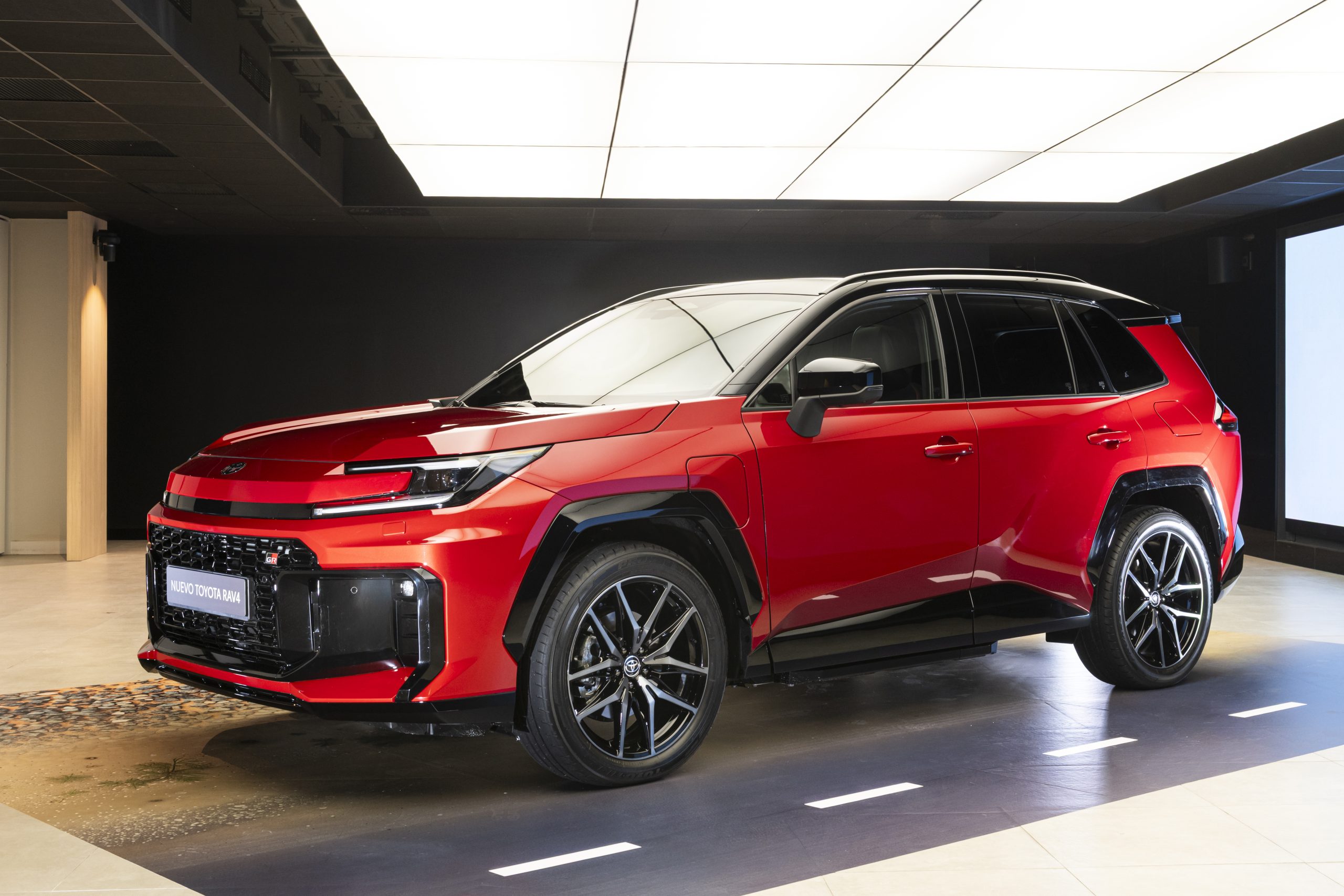
The compact hybrid SUVs remain one of the most sought-after options for those looking for a balance between efficiency, practicality and performance in everyday use. In Spain, the preference for elevated bodies is still strong, and hybrid versions have gained ground by offering moderate consumption without the need for external charging: according to ANFAC data and the official figures homologated under WLTP, hybrid registrations have grown steadily in recent years. This face-off between the Hyundai Tucson Hybrid and the Toyota RAV4 Hybrid helps to better understand how two established proposals position themselves within the segment, in terms of price, efficiency and equipment.
Both models meet what the average buyer of compact hybrid SUVs is looking for: reasonable interior space, a usable boot for the family and hybrid systems optimised for real-world consumption. The average price in Spain of the base versions of both sits in the upper-middle band of the segment, with a difference that usually tips the balance for those who prioritise budget or residual value. Not all buyers weigh efficiency, performance and technology in the same way, which is why this comparison analyses, using manufacturer data, WLTP figures and independent tests, the areas where each one excels.
The most balanced models in the segment in 2026
When assessing which offers a real balance in 2026, we consider homologated consumption, behaviour in town and on the road, price-to-equipment ratio and everyday practicality. In this duel the Tucson focuses on an attractive price-to-equipment ratio, while the RAV4 maintains mechanical reliability and a track record of real-world efficiency that makes it more valued by those who cover many kilometres. Both compete with rivals such as the Hyundai Kona or the Kia Niro in the same bracket, but their approaches differ: one seeks to refine its technological offer, the other prioritises reliability and consumption.
Hyundai Tucson
The Hyundai Tucson Hybrid stands out for its modern proposal and a setup geared towards comfort. The conventional hybrid version combines a combustion engine with an electric motor to deliver a blended power output that in practice translates into smooth responses and good pick-up in town. Its standard equipment in the mid-range versions includes comprehensive driver assistance systems and a multimedia system with updated connectivity, which strengthens its appeal against rivals and alternatives such as the Kia Niro.
In terms of consumption and WLTP range, the homologated average places the Tucson at competitive figures within the segment; on the road its acceleration is sufficient for routine overtaking and its combined power allows it to move with confidence. For those who prioritise a reasonable starting price and a practical boot for the family, the Tucson generally offers a good compromise compared with other models in the segment.
Pros
• Attractive price-to-equipment ratio.
• Comfortable behaviour in town and on motorways.
• Good interior space and boot for everyday use.
Cons
• Steering feel is less communicative in dynamic driving.
• Some versions do not include more advanced assistance technologies as standard.
The winning choice: the Hyundai Tucson
Which hybrid SUV offers the best value for money? The Hyundai Tucson ranks as one of the most balanced options thanks to its combination of equipment, interior space and competitive starting price in its best-selling versions.
| Feature | Figure | Score |
|---|---|---|
| Power | 230 CV | 9.0 |
| Range | — (self-charging hybrid) | 8.5 |
| Top speed | 195 km/h | 8.0 |
| Boot | 558 litres | 8.8 |
| Starting price | 33,600 € | 9.2 |
score out of 10 based on the criteria analysed in this article
Toyota RAV4
The Toyota RAV4 Hybrid maintains its reputation built on reliability and real-world efficiency. Its hybrid system, developed over decades of experience, offers very refined transitions between petrol and electric power and moderate consumption in mixed driving. The RAV4 has evolved to improve its ergonomics and finish without giving up a setup that favours stability and efficiency on long journeys.
In terms of consumption and WLTP range it usually sits at very competitive figures compared with its rivals, especially on mixed routes where its hybrid architecture is used to best effect. The combined power is slightly lower or similar depending on the version, but its delivery and economy are its main argument. The starting price of the entry-level versions is somewhat higher than the Tucson’s, although part of that difference is explained by its positioning and typical residual value.
Pros
• Moderate real-world consumption and a well-established hybrid experience.
• Stable behaviour and a sense of robustness.
• Residual value and a reputation for reliability.
Cons
• Slightly higher entry price.
• Interior design less inspired than some more recent rivals.
The winning choice: the Toyota RAV4
Which hybrid SUV is more efficient in real-world consumption? The Toyota RAV4 stands out for its practical efficiency and reliability, placing it as a preferred option for those who drive more kilometres and seek low consumption in mixed use.
| Feature | Figure | Score |
|---|---|---|
| Power | 218 CV | 8.8 |
| Range | — (self-charging hybrid) | 9.0 |
| Top speed | 180 km/h | 7.8 |
| Boot | 580 litres | 9.0 |
| Starting price | 36,000 € | 8.6 |
score out of 10 based on the criteria analysed in this article
Quick technical comparison of the Top 2
In the quick comparison, the Tucson offers a better price-to-equipment ratio, while the RAV4 tends to be more efficient in real-world consumption and retains a higher resale value. Both offer good interior space and boot capacity for family use; the choice depends on how much weight the buyer gives to running costs versus the initial outlay.
| Model | Power | Range | Price | Score |
|---|---|---|---|---|
| Hyundai Tucson | 230 CV | — (hybrid) | 33,600 € | 9.2 |
| Toyota RAV4 | 218 CV | — (hybrid) | 36,000 € | 9.4 |
score out of 10 based on the criteria analysed in this article
Which car to buy according to your profile
If you do a lot of city driving
For frequent urban journeys, the smooth approach of the hybrid system and the efficiency in traffic jams of the Hyundai Tucson make it highly recommendable; its electric response in manoeuvres and reduced consumption in the urban cycle are key.
If you travel frequently
If you regularly cover long distances, the Toyota RAV4 offers slightly better fuel economy in combined use and more solid behaviour at high speed, which makes it the preferred option.
If you are looking for the best price
Those who prioritise the initial budget will find in the Hyundai Tucson a proposal with good equipment and a competitive starting price compared with alternatives such as the Kia Niro or the Ford Kuga.
If you prioritise technology
For those who value assistants and connectivity, the Tucson usually includes more features at intermediate trim levels; however, the RAV4 compensates with a more established hybrid platform and mature software.
Frequently asked questions
Which of the two consumes less in real use?
In combined cycle and real-world long-distance use, the Toyota RAV4 tends to show slightly lower consumption thanks to its finely tuned hybrid management, according to WLTP homologations and independent tests.
Which has the better boot for the family?
Both offer generous capacities; the RAV4 has a slightly higher figure in usable litres, which is noticeable on trips with bulky luggage.
Which option has better value in the long term?
The RAV4 usually retains its residual value better due to its reputation for reliability and sustained demand in the used market.
Is hybrid maintenance expensive?
Maintenance of a self-charging hybrid is not significantly more expensive than a conventional petrol car; Toyota and Hyundai offer extensive service networks and accessible spare parts, which reduces surprises in the medium term.
Which model is more recommendable for companies or fleets?
For fleets with high mileage the RAV4 may be preferable due to its average efficiency and running cost; for mixed roles and attention to the initial cost, the Tucson is a solid alternative.
Expert opinion
Beyond the official figures, the choice between the Hyundai Tucson Hybrid and the Toyota RAV4 Hybrid essentially depends on the balance between initial budget and running costs. The Tucson presents a modern and competitive proposal in terms of equipment-to-price ratio, with comfortable behaviour and a boot that meets family needs. The RAV4, for its part, appeals to operational consistency: its hybrid system is more seasoned and tends to deliver better consumption on mixed routes and motorways, in addition to offering a residual value that weighs on medium-term purchase decisions. If you cover many kilometres a year and value real-world consumption and value retention, the balance tips towards the RAV4. If your priority is getting more equipment for less money and a comfortable driving experience in town and on the road, the Tucson is hard to ignore. Between the two, the practical choice comes down to nuances: annual mileage, the weight of the upfront cost versus operating expenses, and personal preferences regarding design and ergonomics. For those still in doubt, testing both units under real conditions of use (city, motorway and with load) usually clarifies the decision: the difference rarely lies in pure technical efficiency, but in how each vehicle adapts to the driver’s daily use.


 Peugeot E-208 GTi: a battery-powered toy that revives the spirit of the 1980s sports cars
 New Lexus ES: luxury grows and goes electric
 First contact with the Dacia Sandero Hybrid 155: power and efficiency from €19,890
Deja un comentario