Jaecoo 7 PHEV vs. MG HS PHEV: which Chinese plug-in hybrid wins over the Spanish customer
 Iván Navarro
13 June 2026
6 min.
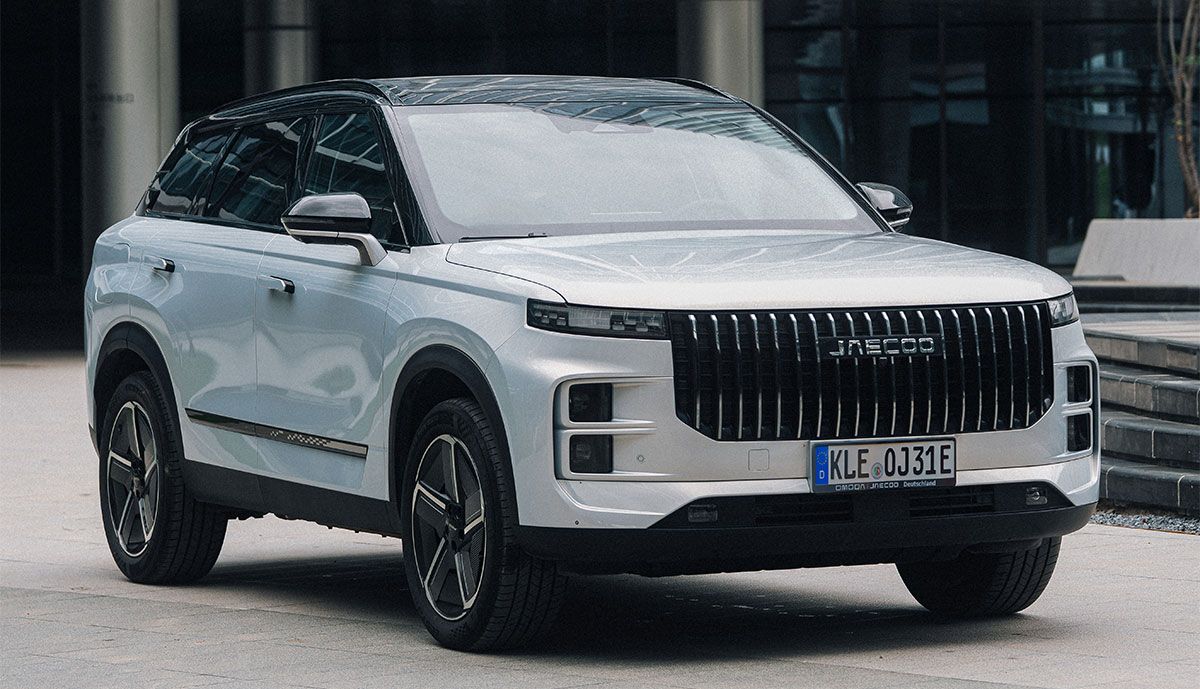
We compare in detail the Jaecoo 7 PHEV and the MG HS PHEV, the two most relevant Chinese plug-in hybrid SUVs on the Spanish market. Technical analysis, indicative prices and a verdict to help you decide.
The plug-in hybrid compact SUV segment is undergoing a quiet earthquake in Spain. Traditional European offerings now coexist with a new generation of proposals arriving from China, which in just a few months have gone from a curiosity to real contenders for any rational buyer. At the centre of the ring, two protagonists: the Jaecoo 7 PHEV and the MG HS PHEV. Two plug-ins with almost identical figures on paper, two very different philosophies and one shared goal: to convince Spanish families that the affordable future of the PHEV is no longer written only in German.
Why this duel matters in the Spanish market
The average customer who walks into a dealership today looking for a family plug-in SUV is faced with a new reality. Brands such as JAECOO, MG, OMODA, Changan Deepal, Geely, Zeekr, Denza, GWM Tank, KGM and the newly arrived LEPAS are fighting for their place with proposals that combine the DGT’s ZERO label, real electric ranges of between 90 and 100 kilometres and prices that expose a good part of the generalist European market.
Jaecoo, a premium brand within the Chery umbrella (the same one that sells OMODA in our country), and MG, owned by the giant SAIC, have chosen the same playing field: a plug-in C-SUV of around 4.70 metres, 272 CV combined and enough range for the working week to go by without visiting a petrol station. The question is unavoidable: in the duel between the Jaecoo 7 PHEV and the MG HS PHEV, which one wins over the Spanish buyer’s wallet and mind?
Jaecoo 7 PHEV from approximately €40,900
The Jaecoo 7 PHEV is the most sophisticated-looking proposal of the duo. Styling with nods to premium British SUVs, an imposing vertical grille, flush door handles and an interior that boldly flirts with the aspirational. Under the bonnet, a 1.5 TGDI paired with a plug-in hybrid system delivering 279 CV combined, 90 kilometres of homologated electric range and an 18.3 kWh battery.
It is the car designed for the customer who wants something different, who values the premium air within the Chinese universe and who does not feel comfortable with the more popular image of MG. Its manufacturer’s recommended RRP, not taking into account current offers, dealer discounts, specific campaigns or purchase aids, starts at around €40,900.
| Power kW | Power CV | Top speed | Electric range | Consumption | Label | Fuel |
|---|---|---|---|---|---|---|
| ≈250 kW | ≈279 CV | ≈180 km/h | ≈90 km | ≈0.5 l/100 | ZERO | PHEV (petrol/plug-in) |
MG HS PHEV from approximately €37,000
The MG HS PHEV plays in a different emotional league: that of cold logic. Same power figures (272 CV), 100 kilometres of electric range, a slightly larger 21.4 kWh battery and emissions of just 10 g/km of CO₂. Its great weapon, however, lies not in the technical sheet but in the price tag: it starts at around €37,000, almost €4,000 below the Jaecoo.
The HS is, moreover, a car with a consolidated sales network in Spain, accessible spare parts and a brand already familiar to many buyers. Where the Jaecoo seduces, the MG convinces.
| Power kW | Power CV | Top speed | Electric range | Consumption | Label | Fuel |
|---|---|---|---|---|---|---|
| ≈250 kW | ≈272 CV | ≈200 km/h | ≈100 km | ≈0.5 l/100 | ZERO | PHEV (petrol/plug-in) |
Design, brand perception and positioning
The Jaecoo seeks to rub shoulders with a miniature Range Rover Velar; the MG HS adopts a more continental, sober language, almost German in its proportions. Inside, JAECOO bets on a giant vertical screen, soft materials and an ambience reminiscent of OMODA in its more mature version. The MG opts for a horizontal dual screen, conservative ergonomics and correct plastics without flourishes.
If the buyer comes from a Tiguan, the HS will feel more familiar. If they come from a DS or want to break with what they know, the 7 PHEV feels fresher.
Real electric range and daily use
The 100 homologated km of the MG HS PHEV translate into real use of roughly 75-85 km in town and mixed driving, enough for a user with a home charger to never touch petrol during the week. The Jaecoo 7 PHEV, with its 90 homologated km, moves in a real range of 70-80 km. The difference is marginal and, in both cases, comfortably exceeds most European PHEVs in the segment.
The context: the Chinese ecosystem in Spain
Neither of these two cars can be understood without looking at the full picture. Changan Deepal has just landed with proposals such as the S07, Geely has launched its massive arrival with electrified models, Zeekr has positioned the Zeekr 7X and the Zeekr X on the premium side of the spectrum and Denza, the luxury brand partly owned by BYD, is arriving with large-format saloons and SUVs. Meanwhile, GWM Tank is exploring the niche of the 4×4 PHEV with the Tank 500, KGM (formerly SsangYong) maintains its rational proposal with the Torres, and LEPAS is preparing its entry with aspirational SUVs.
For the first time, the Spanish buyer has a dozen different Chinese brands to choose from. That Jaecoo and MG dominate the PHEV conversation is no coincidence: they are the two that arrived first, with network and mature product.
Summary table and score
| Model | ||||||
|---|---|---|---|---|---|---|
| Jaecoo 7 PHEV | 279 CV | ≈90 km | 18.3 kWh | 20 g/km | ≈€40,900 | 8.4 |
| MG HS PHEV | 272 CV | ≈100 km | 21.4 kWh | 10 g/km | ≈€37,000 | 8.8 |
Verdict: which one to buy?
If the criterion is pure value for money, the MG HS PHEV wins on points: more electric range, a larger battery, fewer emissions and a noticeably lower price. If the criterion is premium perception, design and differentiation, the Jaecoo 7 PHEV justifies its extra €4,000 with a product more carefully finished in both styling and brand feel.
For a rational family looking for the best Chinese PHEV SUV without overpaying, the HS is the answer. For those who want to stand out and enjoy an interior with more personality, the 7 PHEV is the option.
Frequently asked questions
Which has more electric range, the Jaecoo 7 PHEV or the MG HS PHEV?
The MG HS PHEV homologates approximately 100 electric km compared with the 90 km of the Jaecoo 7 PHEV, thanks to a slightly larger 21.4 kWh battery.
How much does each cost in Spain?
The MG HS PHEV starts at around €37,000 and the Jaecoo 7 PHEV at around €40,900, both as indicative manufacturer RRPs without discounts or promotions.
Do they have the DGT’s ZERO label?
Yes. By greatly exceeding 40 km of homologated electric range and emitting less than 50 g/km of CO₂, both qualify for the ZERO label.
Which other Chinese brands compete in this segment in Spain?
Besides JAECOO and MG, the Spanish buyer can consider options from OMODA, Changan Deepal, Geely, Zeekr, Denza, GWM Tank, KGM and LEPAS, although not all of them yet offer a PHEV in the C-SUV segment.
Technical specifications of this car

 Peugeot E-208 GTi: a battery-powered toy that revives the spirit of the 1980s sports cars
 New Lexus ES: luxury grows and goes electric
 First contact with the Dacia Sandero Hybrid 155: power and efficiency from €19,890
Deja un comentario