BMW iX3 Electric Cars Comparisons Tests
BMW iX3 vs. Mercedes-Benz GLC Electric: Premium Comparison in Space, ADAS and Digital Experience
 Iván Navarro
13 June 2026
5 min.
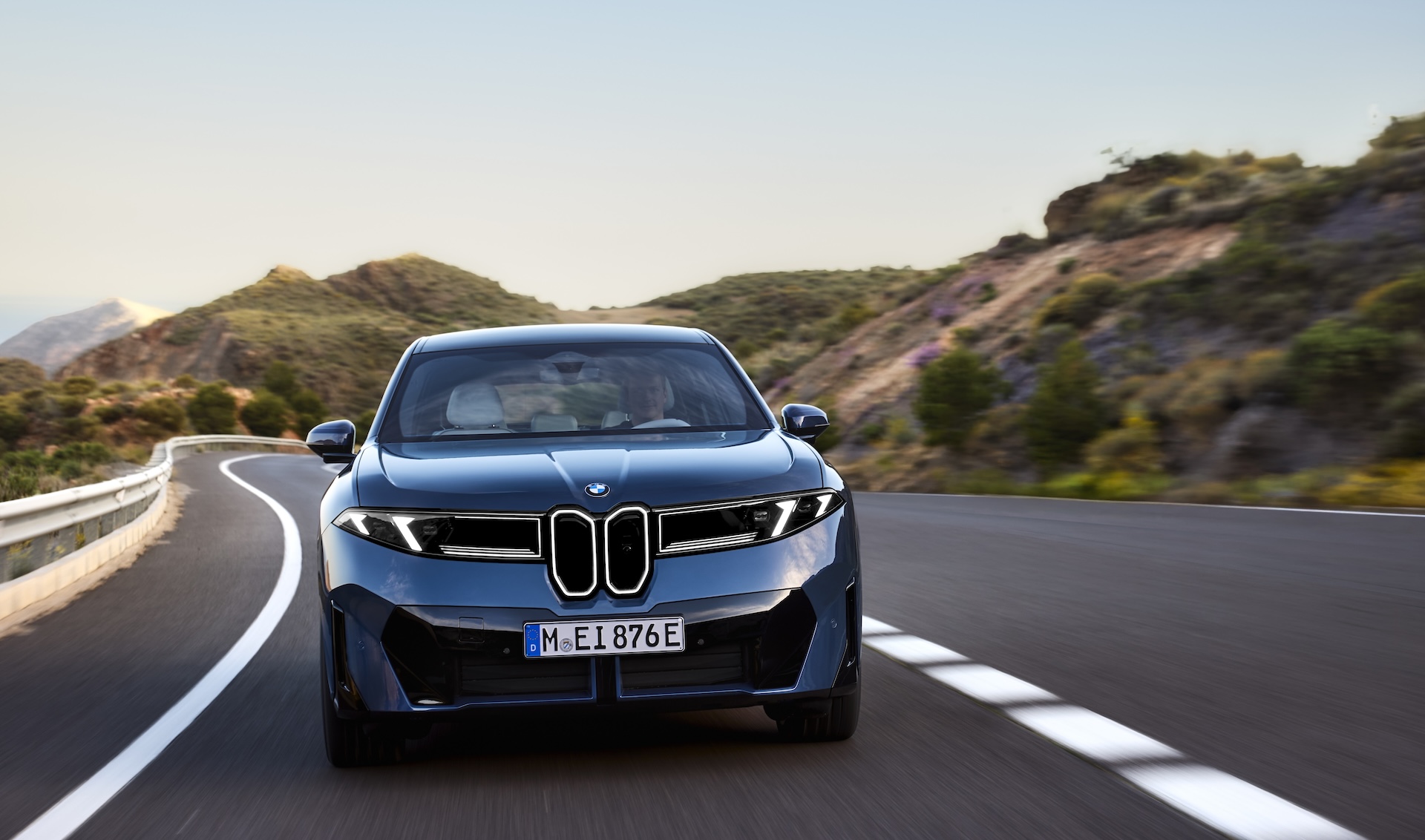
We put the new BMW iX3 from the Neue Klasse and the Mercedes-Benz GLC 300 face to face: two visions of the electrified premium SUV.
The electrified premium SUV segment is at a decisive moment. On one side of the ring, Munich is launching its new era with the BMW iX3 on the Neue Klasse platform, a native 800-volt architecture designed to take the brand into its next electric chapter. On the other, Stuttgart responds with a Mercedes-Benz GLC plug-in hybrid that stretches the PHEV concept to unprecedented figures, with more than one hundred kilometres of real electric range. Two opposing philosophies, one same target customer: someone who wants technological luxury without giving up electrification.
Two premium philosophies face to face
The duel between the BMW iX3 and the Mercedes GLC is not a conventional one. BMW bets on a new generation of pure electric driving; Mercedes keeps combustion alive, assisted by an electric motor capable of covering daily trips without burning a drop of petrol. The question is not which is faster, but which better embodies the idea of electrified premium.
BMW iX3: from approximately €69,900
The iX3 debuts the sixth generation of BMW electric technology. The xDrive50 version delivers 470 CV combined, all-wheel drive and a homologated range that approaches 790 kilometres, thanks to a 113.5 kWh battery and the new 800 V architecture, capable of recovering more than 350 km in ten minutes at ultra-fast chargers.
| Power kW | Power CV | Top speed | Range | Consumption | Label | Fuel |
|---|---|---|---|---|---|---|
| 350 kW | 470 CV | 210 km/h | 790 km | ≈16 kWh/100 km | ZERO | Electric |
Inside, the iX3 introduces the Panoramic iDrive: a projected panel over the windscreen that spans the entire dashboard, accompanied by a central 3D matrix screen and an enlarged head-up display. It is the most radical change to the BMW interior in two decades.
Mercedes-Benz GLC 300: from approximately €71,400
Mercedes has decided to squeeze the plug-in hybrid format to its limit. The GLC 300 4Matic combines a 2.0 turbo petrol engine with an electric motor to deliver 310 CV and 130 km of WLTP electric range, thanks to a 25.5 kWh battery and DC fast charging at 60 kW.
| Power kW | Power CV | Top speed | Range | Consumption | Label | Fuel |
|---|---|---|---|---|---|---|
| 230 kW | 310 CV | 220 km/h | 130 km electric | ≈2 l/100 km | ZERO | PHEV petrol |
It is a car designed for those who are not yet ready to make the definitive leap to electric, but who want to move in silence with zero emissions from Monday to Friday.
Interior space: two ways of understanding room
Interior space in an electric premium SUV is measured today in centimetres but also in how well it is used. The iX3, starting from a native electric platform, frees up the central tunnel and pushes the cabin forward: rear seats gain knee room and the boot exceeds 520 litres, with an additional 58-litre front frunk for the cables.
The GLC, since it carries a combustion engine and a battery, sacrifices some capacity: the boot drops to around 470 litres in the PHEV version. In return, it keeps a higher driving position and slightly more comfortable rear access for three occupants, thanks to a less intrusive transmission tunnel than is usual in a hybrid.
ADAS: Driving Assistant Professional vs Drive Pilot
In ADAS systems, the Stuttgart firm deploys its Driving Assistant Plus package with Level 2+ semi-autonomous driving, active lane change and MBUX Augmented Reality for navigation cues. The iX3 hits back with the new Driving Assistant Professional, capable of managing overtaking with visual confirmation and a memorised automated parking system of up to 200 metres. On the motorway, both come close to top marks; in the city, BMW pulls ahead thanks to higher-resolution cameras and dedicated processors.
Digital experience: Panoramic iDrive vs MBUX
The digital experience marks clear differences. The iX3’s Panoramic iDrive splits information across four visual layers and eliminates virtually all physical buttons, relying on gestures and contextual voice control. MBUX, now in its fourth generation within the GLC, keeps a double curved screen with integrated generative AI and more natural conversational responses. BMW wins on visual innovation; Mercedes on the maturity of its assistant.
Summary table and score
| Model | Range | Power | Indicative price | Space | ADAS | Digital | Overall score |
|---|---|---|---|---|---|---|---|
| BMW iX3 xDrive50 | 790 km | 470 CV | ≈€69,900 | 9 | 9 | 9.5 | 9.2 |
| Mercedes-Benz GLC 300 e | 130 km electric | 310 CV | ≈€71,400 | 8 | 8.5 | 8.5 | 8.3 |
HighMotor final verdict
If the goal is to embrace the future without nuance, the range of the BMW iX3 and its Neue Klasse platform set the course with room to spare. If the customer still covers long weekly distances without reliable charging infrastructure, the GLC 300 remains one of the most sensible options on the market in its segment.
Frequently asked questions
Which has the greater real-world range, the BMW iX3 or the Mercedes GLC?
The iX3, with its 790 km WLTP, far exceeds the GLC 300, which offers around 130 electric kilometres before switching to the petrol engine.
Is the Mercedes GLC 300 100% electric?
No. It is a plug-in hybrid with a ZERO label that can run in pure electric mode, but it retains a petrol engine for long trips.
Which has the better ADAS system?
Both offer Level 2+ semi-autonomous driving. The iX3 has the edge in the city and automated parking; the GLC maintains better augmented reality integration on the motorway.
What DGT labels do they have?
Both models carry the ZERO emissions label, with access to low-emission zones and regulated parking in most Spanish cities.
Technical specifications of this car


 Peugeot E-208 GTi: a battery-powered toy that revives the spirit of the 1980s sports cars
 New Lexus ES: luxury grows and goes electric
 First contact with the Dacia Sandero Hybrid 155: power and efficiency from €19,890
Deja un comentario