Captur KIA Renault Stonic Compact Comparisons SUV
KIA Stonic vs Renault Captur: urban B-SUV duel on equipment-to-price ratio in 2026
 Iván Navarro
20 November 2026
5 min.
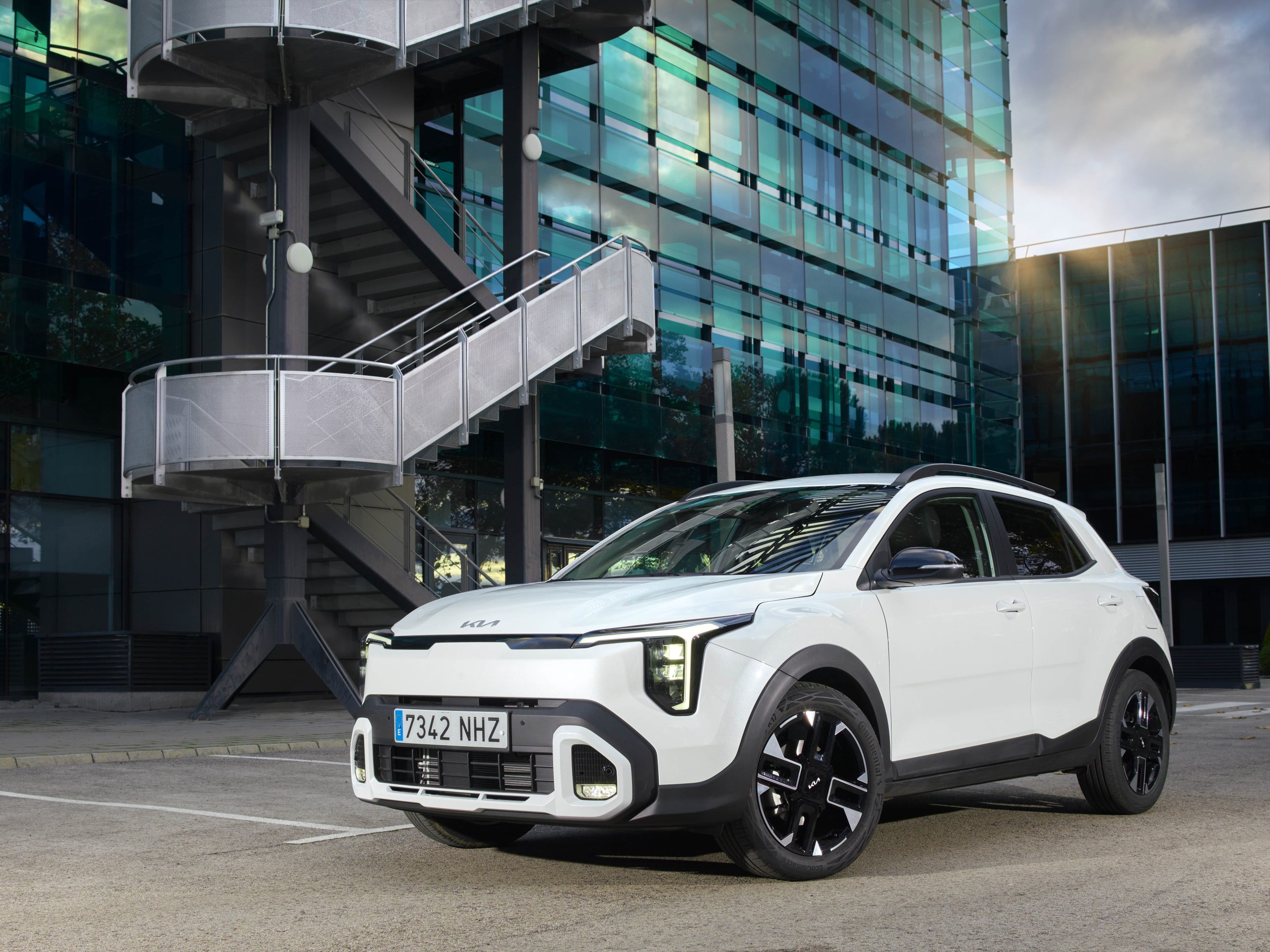
We compare the KIA Stonic 1.0 T-GDi 100 CV and the Renault Captur 1.0 TCe 90 CV, two benchmarks of the urban petrol B-SUV in Spain, to find out which offers the better equipment-to-price ratio in 2026.
The urban B-SUV segment remains a direct battleground in Spain, and few comparisons sum up the current moment as well as KIA Stonic vs Renault Captur. Two proposals with different philosophies, entry-level turbocharged petrol engines and an almost identical target buyer: someone looking for a compact SUV to get around the city without giving up a certain level of standard equipment. Let’s go into the detail, with official figures and no makeup.
KIA Stonic 1.0 T-GDi 100 CV: the Korean balance, from €24,200
The Stonic arrives at this comparison in its 1.0 T-GDi 100 Concept 5-door ISG variant, a turbocharged three-cylinder that delivers 74 kW (100 CV) and that Kia positions as the sensible entry point to its SUV range. It is not the most powerful engine in the Korean lineup, but it is sufficient for the use this car will get in 90% of cases: traffic lights, roundabouts and the occasional weekend getaway.
The homologated consumption figure, around 5.5 l/100 km, places it among the most frugal pure petrol cars in its category. And the starting RRP, from approximately €24,200, is not the cheapest in the segment, but it does not skyrocket either when compared with what it offers in standard equipment.
| Model | ||||||
|---|---|---|---|---|---|---|
| Kia Stonic 1.0 T-GDi 100 Concept | 74 kW | 100 CV | 183 km/h | 5.5 l/100 km | 125 g/km | Petrol |
Renault Captur 1.0 TCe 90 CV: the French bet, from €22,900
The Captur plays the game from a different angle. Its 1.0 TCe 90 Evolution 5-door S/S gives up ten horsepower to the Stonic (90 CV versus 100 CV) and consumes somewhat more, around 6 l/100 km homologated. The trade-off is in the price: it starts from approximately €22,900, about €1,300 below its Korean rival.
Does that difference in power and consumption make up for the initial saving? It depends on use. For someone who almost exclusively makes short urban trips, the Stonic’s extra pull hardly shows in day-to-day driving. For someone who combines city with some country roads or motorway, the ten horsepower difference does start to matter, especially when overtaking or merging.
| Model | ||||||
|---|---|---|---|---|---|---|
| Renault Captur 1.0 TCe 90 Evolution | 67 kW | 90 CV | 168 km/h | 6 l/100 km | 132 g/km | Petrol |
Equipment: where the difference really shows
This is where the comparison gains nuance. The Captur, even in entry-level trims, is backed by the reputation of its interior design and its raised centre console, a distinctive feature of the French brand that the Stonic does not replicate. The Kia, for its part, offsets this with a more aggressive warranty policy and a brand positioning that in recent years has been gaining ground in perceived quality, something we already analysed in the review of the Kia Stonic 2026.
Neither stands out for a huge boot, and neither aims to. They are urban SUVs, designed for the city, not for large families with luggage for long holidays.
Running costs and usage: the fine print that matters
The Stonic’s 5.5 l/100 km against the Captur’s 6 l/100 km is not a dramatic difference, but added up over a year of intensive urban use it does translate into a few euros less at the pump. Both share a C environmental label and very similar CO₂ emissions (125 versus 132 g/km), although on registration tax the Stonic is slightly better positioned as it sits close to the 120 g/km threshold.
That said, it is worth remembering that these prices are the manufacturer’s recommended RRP, without counting dealer offers, one-off financing campaigns or possible local scrappage schemes, which can noticeably reduce the final bill depending on when you buy.
Summary table and verdict
| Model | ||||
|---|---|---|---|---|
| Kia Stonic 1.0 T-GDi 100 CV | 100 CV | 5.5 l/100 km | €24,200 | 7.8/10 |
| Renault Captur 1.0 TCe 90 CV | 90 CV | 6 l/100 km | €22,900 | 7.5/10 |
If the criterion is exclusively the entry price, the Captur wins by a little over a thousand euros. But if the equipment-to-price ratio is weighed more broadly, including available power and real consumption, the Stonic recovers ground and takes a slight advantage. There is no absolute winner here, but two valid solutions depending on the buyer’s exact budget.
For those wanting to explore alternatives within the same segment, the ranking of the most efficient hybrid urban SUVs under €30,000 adds perspective on what electrified versions offer compared with these pure petrol options.
Frequently asked questions
What is the power difference between the Kia Stonic and the Renault Captur in these entry versions?
The Stonic 1.0 T-GDi delivers 100 CV against the Captur 1.0 TCe’s 90 CV, a difference of ten horsepower in favour of the Korean.
Which is cheaper, the Kia Stonic or the Renault Captur?
The Renault Captur starts from approximately €22,900, against the €24,200 of the Kia Stonic, both as indicative RRP without discounts.
Which uses less fuel in day-to-day driving?
The Kia Stonic homologates a slightly lower consumption, around 5.5 l/100 km, against the Captur’s 6 l/100 km.
Is it worth paying more for the Kia Stonic over the Renault Captur?
It depends on use: if you combine city trips with country roads, the Stonic’s extra ten horsepower justifies the price difference for many drivers.
Technical specifications of the cars in this article

 Kia offers an electric range of 10 models, 50 versions and 400 possible combinations
 The seven finalists for the 2027 European Car of the Year (COTY) are exclusively electric
 Peugeot E-208 GTi: a battery-powered toy that revives the spirit of the 1980s sports cars
Deja un comentario