Alto Captur Dacia Duster MG Renault S-Cross Suzuki Toyota Yaris Yaris Cross ZS Uncategorized
2026 ranking: the 5 hybrid urban SUVs with the best consumption-to-price ratio under €26,000
 Iván Navarro
20 November 2026
7 min.
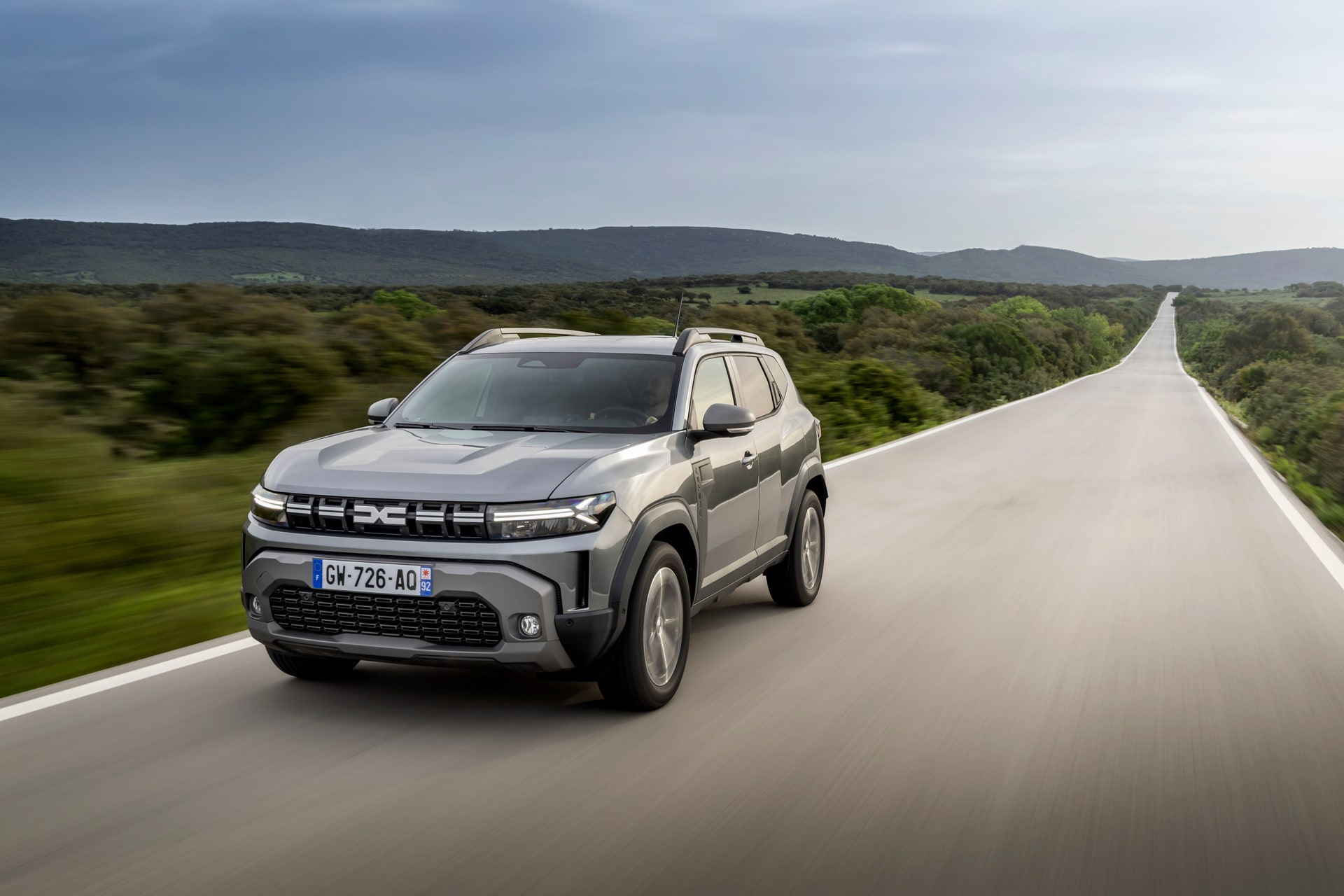
We analyse the hybrid urban SUVs under €26,000 that best balance purchase price and real fuel savings. The criterion: euros paid for each litre of consumption avoided compared with a conventional petrol urban SUV.
Buying a hybrid urban SUV in 2026 is no longer a niche decision. It is the default choice for anyone who wants a bit more driving height without blowing up the fuel bill. But within that universe there are nuances that matter a great deal: not every model justifies its extra cost over a conventional petrol car with the same solidity. That is why at Highmotor we have built a ranking with a specific yardstick, with no guesswork.
What “best consumption-to-price ratio” means in a hybrid urban SUV
Looking at the WLTP consumption alone is not enough. A hybrid SUV that uses half a litre less but costs €4,000 more does not always pay off, unless the buyer drives a huge number of kilometres each year. The real question is different: how many extra euros do I pay for each litre I stop burning every 100 kilometres? That is the logic that orders this ranking of hybrid urban SUVs available under €26,000 (including brand entry offers and financing).
Highmotor criterion: euros per litre of consumption avoided
We take as reference a conventional petrol urban SUV with an average consumption of 6.5 l/100 km WLTP and a starting price of €20,000, a representative average of the non-electrified B-segment. With that anchor point we calculate, for each hybrid, how much extra cost the buyer pays divided by the litres saved every 100 kilometres. The lower the result, the better the consumption-to-price ratio. It is a simple, transparent metric that can be replicated with the official data published by the manufacturers themselves.
1. MG ZS Hybrid+ — from €22,340
On paper and on the road, the ZS Hybrid+ is the one that solves the equation best. With an entry price of €22,340 cash (which can fall even further with financing), 197 hp of power and a homologated consumption of 5.0 l/100 km, the extra cost over the reference petrol car dilutes quickly. The result: €1,560 per litre of consumption avoided, the best figure of the five. That said, the interior finish is a step below Toyota or Renault, and it is worth test-driving it before signing.
| Model | Power (kW) | Power (hp) | WLTP consumption | Label | Fuel |
|---|---|---|---|---|---|
| MG ZS Hybrid+ | 145 kW | 197 hp | 5.0 l/100 km | ECO | Hybrid |
2. Renault Captur E-Tech full hybrid 160 — from €24,790
With its updated 160 hp powertrain, the Captur E-Tech fits the budget thanks to the brand’s financing campaigns (€27,110 cash), and it does so with strong arguments: a homologated consumption of 4.4 l/100 km and a driving experience that feels more mature than the rest. Paying €4,790 more than the reference petrol car gives a ratio of €2,281 per litre avoided, second place. It pays off if you value the balance between efficiency and dynamic behaviour, which we detail in our review of the Captur E-Tech full hybrid.
| Model | Power (kW) | Power (hp) | WLTP consumption | Label | Fuel |
|---|---|---|---|---|---|
| Renault Captur E-Tech full hybrid 160 | 117 kW | 160 hp | 4.4 l/100 km | ECO | Hybrid |
3. Toyota Yaris Cross Hybrid 130 — from €25,950
If what you are looking for is the lowest consumption in the group alongside the Captur, it is a safe bet. The Yaris Cross Hybrid 130 homologates 4.4 l/100 km on the WLTP cycle in its entry versions. Its price starts at €25,950 with financing (€27,050 cash), which yields a ratio of €2,833 per litre avoided, third place on the podium. It is also the model with the best-documented mechanical reliability in the group, which matters when you think about ten years of use.
| Model | Power (kW) | Power (hp) | WLTP consumption | Label | Fuel |
|---|---|---|---|---|---|
| Toyota Yaris Cross Hybrid 130 | 96 kW | 130 hp | 4.4 l/100 km | ECO | Hybrid |
4. Dacia Duster mild hybrid 140 — from €23,220
The Duster mild hybrid 140 offers a size that clearly feels like a higher-segment SUV and a very competitive cash price of €23,220 (the full hybrid Hybrid 155 version rises to €26,320). However, being a 48V micro-hybrid, its homologated consumption of 5.4 l/100 km is more modest, which costs it places in our ranking: €2,927 per litre avoided. For those who value space and robustness above the last decimal of consumption, it remains a very defensible option, as we already analysed in the ranking of the most efficient hybrid urban SUVs under €30,000.
| Model | Power (kW) | Power (hp) | WLTP consumption | Label | Fuel |
|---|---|---|---|---|---|
| Dacia Duster mild hybrid 140 | 103 kW | 140 hp | 5.4 l/100 km | ECO | Hybrid |
5. Suzuki S-Cross Mild Hybrid — from €23,616
The S-Cross Mild Hybrid closes the ranking, and not because it is a bad car. Its strong point is the option of AllGrip all-wheel drive, something none of the other four offer in this bracket. But its 110 hp 48V mild hybrid system homologates a consumption of 5.4 l/100 km and its official cash price starts at €27,222 (€23,616 with financing offers), leaving a ratio of €3,287 per litre avoided, the highest of the five. For someone living in a mountain area or who regularly needs all-wheel drive, the calculation changes completely.
| Model | Power (kW) | Power (hp) | WLTP consumption | Label | Fuel |
|---|---|---|---|---|---|
| Suzuki S-Cross Mild Hybrid | 81 kW | 110 hp | 5.4 l/100 km | ECO | Hybrid |
Summary table: final comparison of the 5 hybrid urban SUVs
| Model | Price from | WLTP consumption | Power | €/litre avoided | Score |
|---|---|---|---|---|---|
| MG ZS Hybrid+ | €22,340 | 5.0 l/100 km | 197 hp | €1,560 | 9.2/10 |
| Renault Captur E-Tech full hybrid 160 | €24,790 | 4.4 l/100 km | 160 hp | €2,281 | 8.5/10 |
| Toyota Yaris Cross Hybrid 130 | €25,950 | 4.4 l/100 km | 130 hp | €2,833 | 8.1/10 |
| Dacia Duster mild hybrid 140 | €23,220 | 5.4 l/100 km | 140 hp | €2,927 | 7.6/10 |
| Suzuki S-Cross Mild Hybrid | €23,616 | 5.4 l/100 km | 110 hp | €3,287 | 7.0/10 |
Which model to choose based on real use
If your day to day is city driving and short trips, the MG ZS Hybrid+ is the one that pays back the investment fastest thanks to its low starting price. For those looking for the lowest homologated consumption and a refined driving feel, the Renault Captur E-Tech 160 and the Toyota Yaris Cross Hybrid 130 are the most balanced options. And if you need a genuinely large boot or plan family trips without blowing the cash budget, the Dacia Duster adds space and versatility.
Plan Auto+ and why it does not apply to these models
It is worth clarifying an important point regarding state subsidies: none of these five models can benefit from the Plan Auto+, since that programme is reserved exclusively for vehicles with a CERO label (pure electric, hydrogen and plug-in hybrids) and, moreover, its funds have been exhausted. As these are self-charging hybrids and micro-hybrids with an ECO label, the final price will depend solely on each manufacturer’s commercial discounts and financing campaigns, although they keep tax advantages such as exemption from the registration tax when emitting less than 120 g/km of CO₂ (in the case of pure hybrids).
Frequently asked questions
What is the cheapest hybrid urban SUV in Spain in this ranking?
The MG ZS Hybrid+ is the most affordable in this comparison, with a cash starting price of €22,340 (even lower with financing) and a homologated consumption of 5.0 l/100 km, which gives it the best consumption-to-price ratio in the group.
Which hybrid urban SUV in this analysis consumes the least?
The Renault Captur E-Tech full hybrid 160 and the Toyota Yaris Cross Hybrid 130 tie as the most efficient in the lot, both with a homologated consumption of 4.4 l/100 km on the WLTP cycle in their entry versions.
How is the consumption-to-price ratio of a hybrid SUV calculated?
Highmotor uses the “euros per litre of consumption avoided” ratio: the extra cost of the hybrid over a reference petrol SUV (6.5 l/100 km, €20,000) divided by the litres saved every 100 km. The lower the result, the better the use of the money invested in electrification.
Is it worth paying more for a hybrid SUV with all-wheel drive such as the Suzuki S-Cross?
Only if you regularly use it in mountain, snow or unpaved track areas. In pure fuel-saving terms, the S-Cross Mild Hybrid offers the worst consumption-to-price ratio in the ranking, but it makes up for it with a traction capability that none of the other four models match in these versions.
Technical specifications of the cars in this article

 Kia offers an electric range of 10 models, 50 versions and 400 possible combinations
 The seven finalists for the 2027 European Car of the Year (COTY) are exclusively electric
 Peugeot E-208 GTi: a battery-powered toy that revives the spirit of the 1980s sports cars
Deja un comentario