C10 Leapmotor Electric Cars Hybrid Cars Comparisons SUV
Leapmotor C10 vs Omoda 7: a duel between Chinese compact SUVs under 38,000 euros
 Iván Navarro
17 August 2026
6 min.
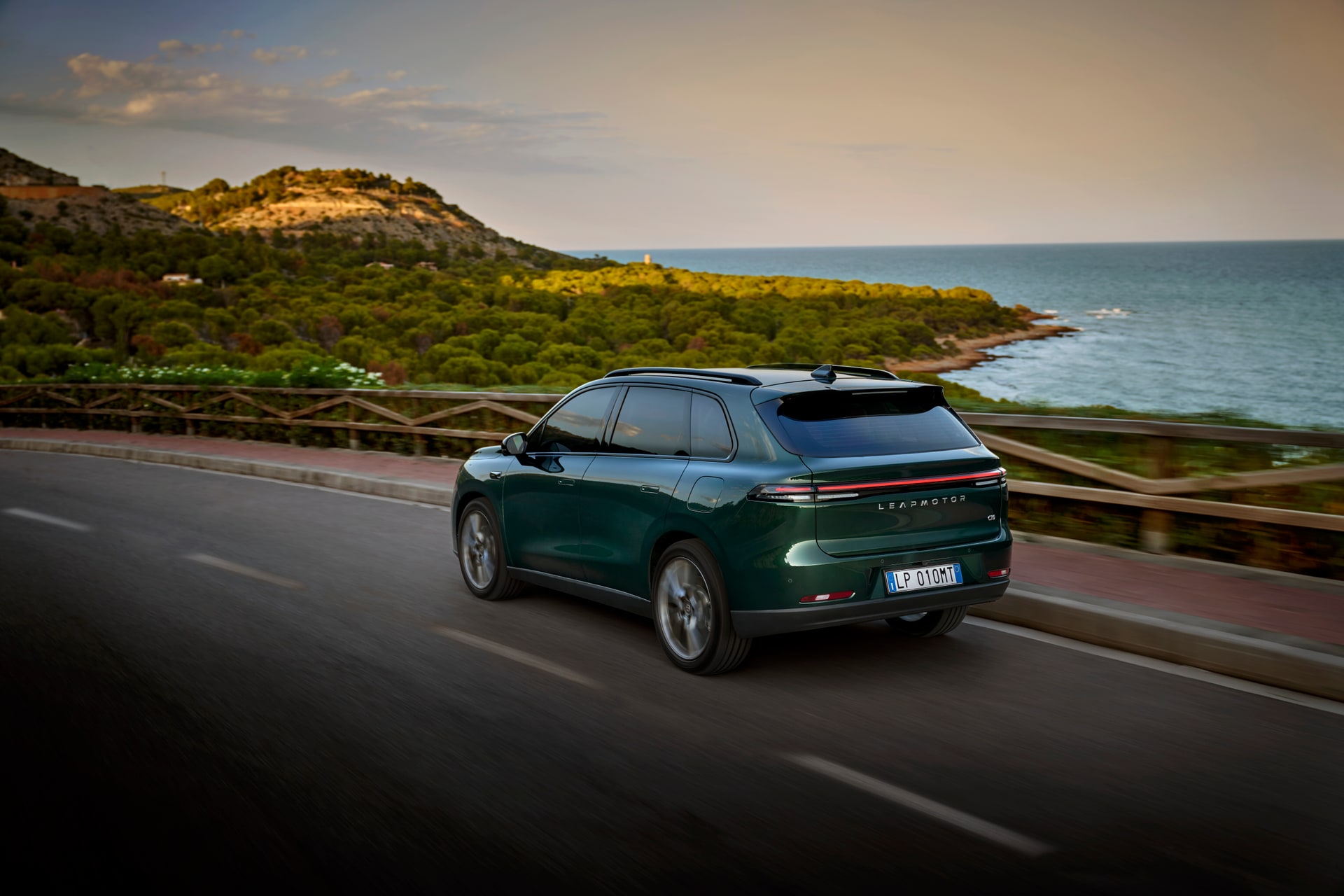
We compare the Leapmotor C10 REEV with the Omoda 7 PHEV, two electrified Chinese compact SUVs with opposing philosophies and very different prices in Spain.
The Chinese invasion is no longer an emerging trend in Spain: it is a reality that forces us to compare them head to head. And within the electrified C-segment, few duels are as interesting as the one pitting the Leapmotor C10 vs Omoda 7 against each other. Two compact SUVs, two brands arriving with radically different technical proposals, and two prices that—it’s worth making clear from the outset—don’t really play in the same league.
What follows is an objective comparison, using the official spec-sheet figures and without discounts or incentives in the mix. The prices you’ll see are the manufacturer’s recommended retail prices (PVP), with no campaigns, dealer promotions or Plan Auto+ bonuses.
Why compare these two Chinese SUVs now?
Because they represent two opposing paths within Asian electrification. The Leapmotor bets on REEV technology (Range Extender Electric Vehicle): a car that works as an electric vehicle and uses a petrol engine only as a generator. The Omoda, on the other hand, sticks to the classic PHEV approach, with combined traction and more muscle under your right foot. On paper they are rivals; in practice, they solve different needs.
Real price in Spain: who gets below 38,000 €?
Here we should be honest. Only one of the two really fits the headline. The Leapmotor C10 starts at approximately 36,800 €, while the Omoda 7 starts at around 42,900 €. That’s a difference of more than six thousand euros, and that weighs far more than any aesthetic or equipment argument. Figures are indicative, we insist.
Leapmotor C10 REEV from ≈36,800 €: electric with a European-style range extender
The C10 is, in my view, the more conceptually interesting of the two. It drives as an electric car almost all the time—150 km of EV range covers the weekly urban commute for most people—and only switches on the petrol engine when the battery runs low, working as a generator set. There is no gearbox and no mechanical transmission from the combustion engine to the front axle. It is an elegant architecture, already validated by brands such as Li Auto in China, and it arrives here at a fairly contained price.
| Power kW | Power CV | Top speed | EV range | Consumption | Label | Fuel |
|---|---|---|---|---|---|---|
| 158 kW | 215 CV | ≈170 km/h | ≈150 km | ≈0.5 l/100 km | 0 emissions | Petrol hybrid/plug-in (REEV) |
REEV architecture: real advantages and limits
The great virtue is mechanical simplicity and constant electric response. The downside, let’s be clear, appears on the motorway: with the battery depleted and the petrol generator feeding the electric motor at 120 km/h, real consumption rises above what the homologation figures suggest. On short urban trips, however, it is unbeatable.
Space and perceived quality on board
Sober interior, large central screen, materials that hold up well for the asking price. Nothing flashy. Ergonomics—both the feel of the plastics and seat adjustment—sit a step above what Leapmotor offered two years ago. That said, the extreme minimalism of the dashboard may not please everyone.
Omoda 7 PHEV from ≈42,900 €: plug-in hybrid with more muscle
The Omoda 7 plays a different game. Its 1.5 turbo petrol engine combines with the electric system to deliver a substantial 280 CV, and that is where it pulls ahead. Also in terms of image: the Omoda’s styling is more aggressive, with details aimed at a premium air. The trade-off is obvious: it costs considerably more and its electric range stays at 90 km.
| Power kW | Power CV | Top speed | EV range | Consumption | Label | Fuel |
|---|---|---|---|---|---|---|
| ≈205 kW | ≈279 CV | ≈180 km/h | ≈90 km | ≈2.5 l/100 km | 0 emissions | PHEV petrol |
Classic PHEV versus REEV: what changes in daily use
The PHEV keeps the combustion traction active, which on the motorway translates into lower consumption once the battery runs out—2.5 l/100 homologated, compared with the C10’s setup. It also offers more punch when pulling out and overtaking. In exchange, driving lacks the constant background silence of the REEV.
Design, equipment and premium feel
Here the Omoda has the edge over the C10. The interior finish conveys better perceived quality, and standard equipment is generous. If looks and the feel on board weigh in your decision, this counts. We made a similar point when analysing the comparison between the Omoda 9 and the Jaecoo 7 SHS: the brand has found its own design language that works.
Head-to-head technical comparison: score 1–10
| Model | Power | EV range | Consumption | Price from | Label | Score |
|---|---|---|---|---|---|---|
| Leapmotor C10 REEV | ≈220 CV | ≈150 km | ≈0.5 l/100 | ≈36,800 € | 8.3 | |
| Omoda 7 PHEV | ≈280 CV | ≈90 km | ≈2.5 l/100 | ≈42,900 € | 7.8 |
EV range and real consumption: urban versus mixed use
For a driver with an urban routine and daily trips under 100 km, the C10 allows weeks to pass without refuelling. In mixed use with many long journeys, the Omoda 7 better defends thermal efficiency. It is the age-old question: does your life on the car pass more through city asphalt or through the Saturday trip to the mountains?
When to choose REEV and when a classic PHEV
Choose the REEV (Leapmotor C10) if you drive in the city, charge at home or at work, and want the feel of an electric car without range anxiety. Choose the PHEV (Omoda 7) if you combine frequent long journeys with urban use and prioritise performance and a sense of solidity on board. If your priority is pure budget, the analysis again points to the C10—and that ties in with the approach of other models we have already reviewed, such as this ranking of cars under 40,000 €.
Our verdict: which Chinese SUV makes more sense today
With the figures on the table, the Leapmotor C10 seems to us the most rational purchase in the under-38,000 € segment. It offers more electric range, a well-resolved REEV technology and a price that leaves room for extras. The Omoda 7 is more desirable in many respects—power, presence, equipment—but it demands an outlay that takes it out of the headline. Is it worth paying for? It depends on how much you value those extra 60 CV and that more refined finish.
Frequently asked questions
What is the difference between a REEV and a PHEV?
A REEV always drives the wheels with an electric motor; the combustion engine only acts as a generator for the battery. A PHEV uses both engines to propel the car, combining them according to demand. The REEV feels electric at all times; the PHEV does not.
Does the Leapmotor C10 lose efficiency on the motorway with the battery depleted?
Yes, that is its weak point. When moving a heavy car at 120 km/h solely with the petrol generator, real consumption rises noticeably compared with the homologated cycle. On urban and suburban journeys, however, it is extremely efficient.
Do both have the DGT ZERO label?
Yes. Both the Leapmotor C10 and the Omoda 7 qualify for the zero-emissions label by offering more than 40 km of homologated electric range, with the associated advantages in low-emission zones (ZBE) and regulated parking.
Can they benefit from the Plan Auto+?
As plug-in hybrids with a zero-emissions label, both models fall within the framework of the current incentives. The specific amounts and conditions should be checked on the plan’s official website before signing, as the figures are updated periodically.
Technical specifications of this car


 Peugeot E-208 GTi: a battery-powered toy that revives the spirit of the 1980s sports cars
 New Lexus ES: luxury grows and goes electric
 First contact with the Dacia Sandero Hybrid 155: power and efficiency from €19,890
Deja un comentario