Learn the differences between electric and hybrid cars
 Jaime Gomez
11 November 2025
5 min.
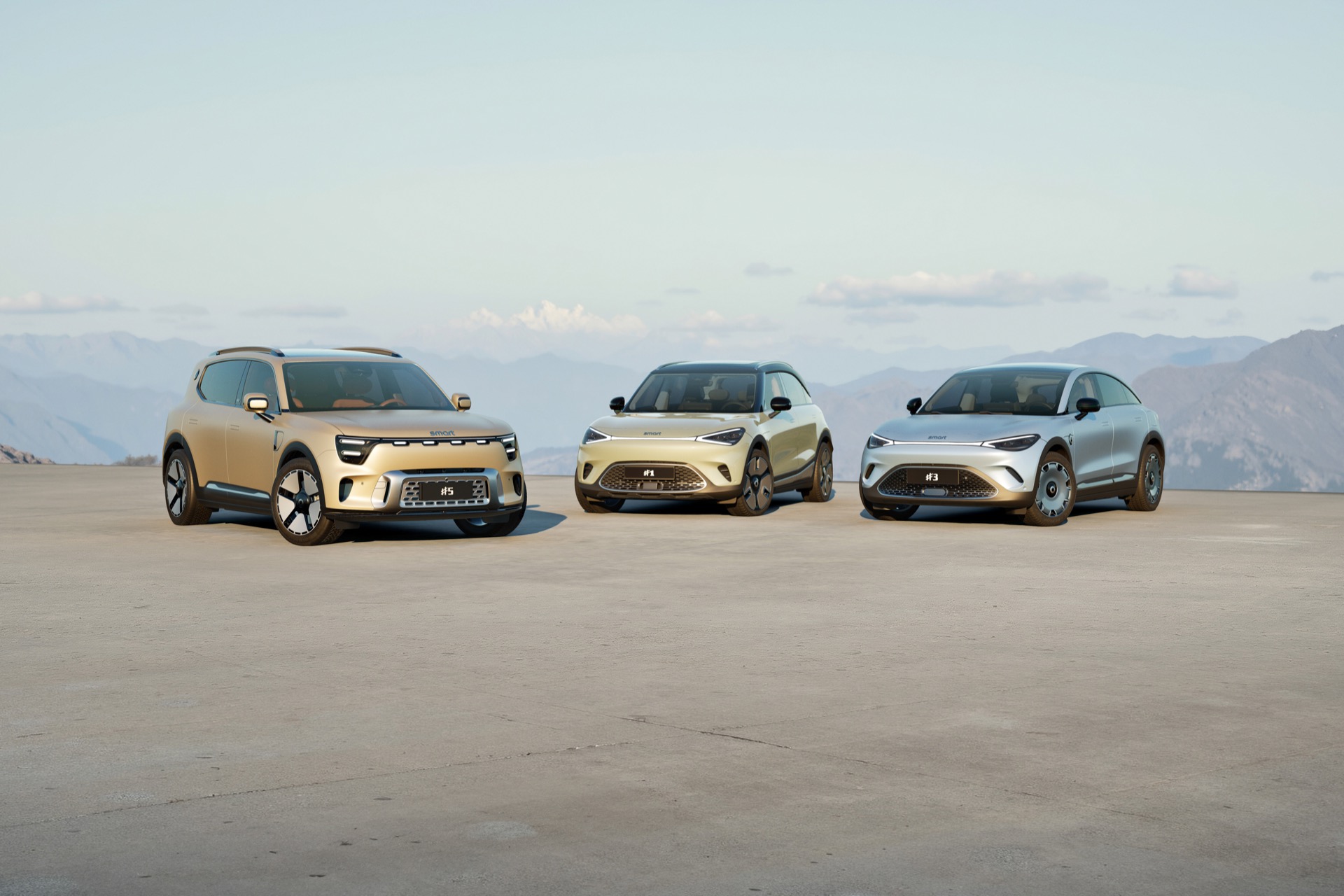
A pure electric vehicle runs exclusively on electricity. Hybrid vehicles, on the other hand, combine an internal combustion engine with an electric motor.
The automotive industry is facing one of the greatest challenges in its history. The transition towards cleaner and more sustainable mobility has stopped being a future trend and has become a reality. Concern for sustainability and technological progress have driven manufacturers and consumers alike to rethink the traditional model of transport. In this scenario, electric cars and hybrids have established themselves as the most attractive alternatives to conventional combustion engines.
The general public is increasingly well informed about these types of vehicles, although there is still a long way to go in this regard. When it comes to buying a car, there are differences between hybrid and electric cars that are decisive in choosing one option over the other. In this post we are going to break down the elements that characterise each one and that place them in a different position with respect to the other.
Energy source
The first aspect that distinguishes an electric car from a hybrid is the energy source that powers it. A pure electric vehicle runs exclusively on electricity. Its energy comes from a rechargeable battery that is connected to the electricity grid. This type of car does away completely with a combustion engine, which means it needs neither petrol nor diesel to run.
Hybrid vehicles, on the other hand, combine an internal combustion engine with an electric motor. Both work in a coordinated way. That is, the electric motor assists during acceleration or on short journeys, while the combustion engine comes into operation when more power is required or when the battery runs out. In the case of plug-in hybrids, the battery can be recharged externally, which allows them to travel several kilometres in fully electric mode before fuel is needed.
Sustainability
Electric vehicles stand out mainly for their high level of environmental sustainability. By not emitting carbon dioxide or other harmful gases while they are in motion, they directly help improve urban air quality. This feature makes them the ideal option in large cities, where low-emission zones that restrict access to combustion-engine cars are becoming increasingly common.
Hybrid vehicles, both conventional and plug-in, represent an intermediate stage between traditional engines and pure electric ones. They have a certain environmental impact, although a much reduced one.
Costs
Another significant advantage of the electric model is its low day-to-day cost. Electricity is much cheaper than petrol or diesel, and electric motors require minimal maintenance. They need no oil changes, fuel filters or complex exhaust systems. Furthermore, their mechanical structure is simpler and has fewer components susceptible to wear.
On the other hand, plug-in hybrids allow short distances to be covered, up to 100 kilometres in the best case, using only electrical energy. On this stretch, the energy cost is similar to that of an electric model. Once the battery is depleted, the combustion engine acts as a backup, which is more expensive.
The initial price is one of the decisive factors when comparing both technologies. Although electric cars are still more expensive, the gap narrows year after year thanks to falling battery costs and increased competition. Hybrids, for their part, have a more affordable purchase cost. .
Driving experience
In terms of driving, an electric car offers a unique experience, with immediate acceleration, instant response and a smoothness that eliminates noise and vibration. The absence of a gearbox and the silence of running increase the comfort of both driver and passengers. The hybrid system shares some of these characteristics, but not to such a pronounced degree.
Added to these advantages is the possibility of accessing public incentives, such as purchase discounts, tax reductions or free parking in some cities. With all of this, although its initial price may still be somewhat higher, the long-term saving can be considerable.
As regards maintenance, electric cars have the advantage, since they have fewer moving parts, need no lubricants or exhaust systems, and suffer fewer mechanical breakdowns. Hybrids, by contrast, having two engines and more complex systems, may require more frequent servicing.
Parallel paths towards sustainability
Both electric cars and hybrids symbolise progress towards more sustainable and efficient mobility. The choice between one or the other will depend on personal factors such as budget, driving habits, access to charging points or the distance usually travelled.
The electric car is the ideal option for those seeking zero emissions and who have adequate charging infrastructure. The hybrid, on the other hand, offers a gradual transition for those who value flexibility and do not want to depend entirely on electricity. In any case, both represent a firm step towards a future where mobility will be cleaner, smarter and more environmentally responsible.


 Peugeot E-208 GTi: a battery-powered toy that revives the spirit of the 1980s sports cars
 New Lexus ES: luxury grows and goes electric
 First contact with the Dacia Sandero Hybrid 155: power and efficiency from €19,890
Deja un comentario