LED or halogen lights? Main recommendations and differences
 Óscar Sanz
15 May 2023
4 min.
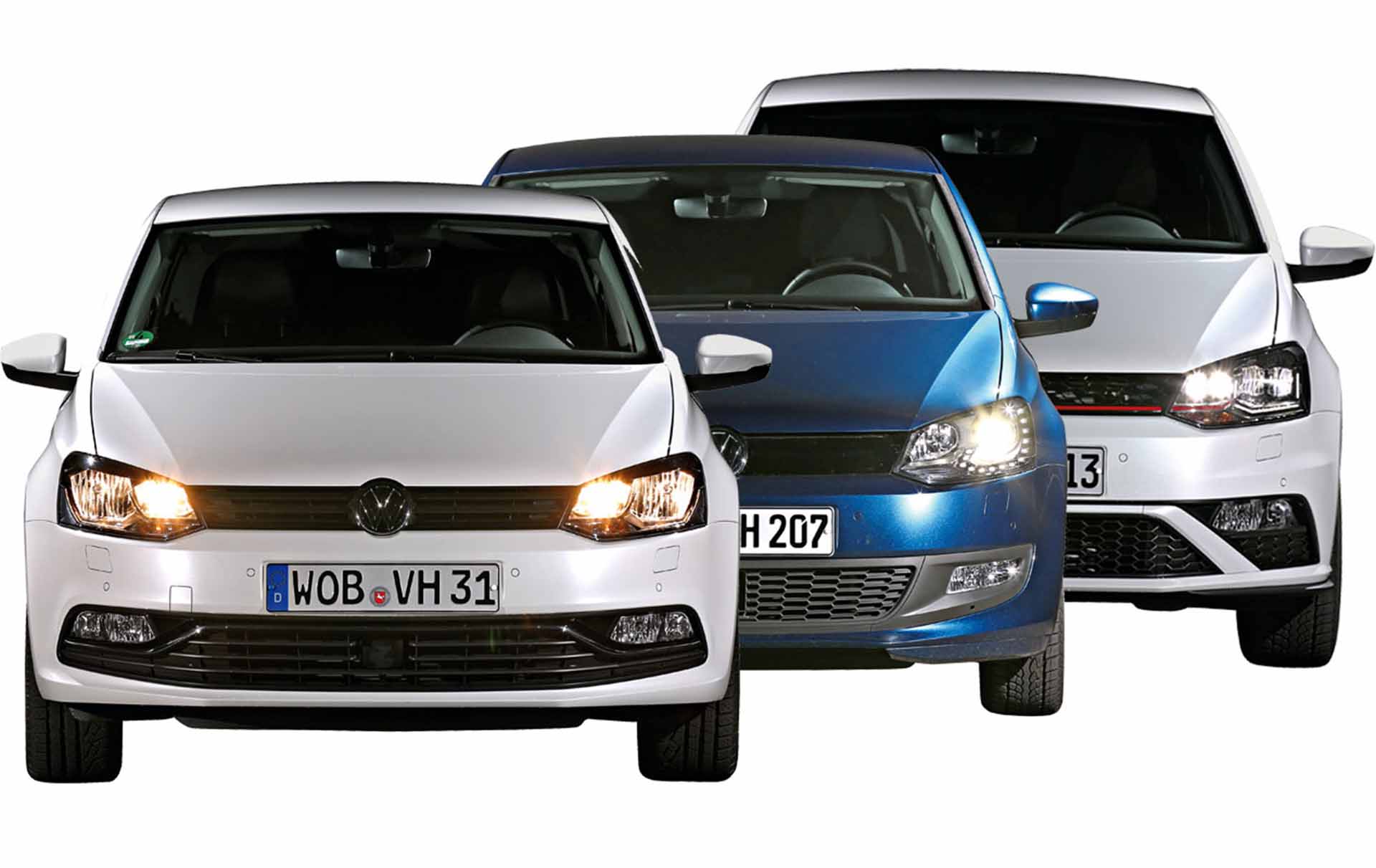
Until very recently, replacing halogen lights with LED ones was prohibited. Now that it is legal, it is advisable to know the main differences between the two
Until now, replacing a halogen bulb with an LED one was considered a major modification, even leading to a fine and failing the MOT/roadworthiness inspection (ITV) if you had made these changes. From 5 May, new legislation has allowed owners of older cars with factory-fitted halogen lights to replace them with LED lights more easily. Previously, the regulation was governed by UN Regulation No. 37, but in practice this proved quite complicated.
Although making these changes is now legal from these dates, you will need to download the approval certificate, which is usually available on the manufacturer’s website, and carry it with you whenever you use the vehicle.
Main differences between LED and halogen lights
LED lights and halogen lights are two different types of lighting technology used in the automotive industry. Now that replacing them has become legal, it is advisable to know some of the main differences between these two technologies:
- Energy efficiency: LED lights are more energy-efficient than halogen lights. This means they use less energy to produce the same amount of light; an 8.5W LED is equivalent to 30W halogen.
- Lifespan: LED lights have a much longer lifespan than halogen lights. While halogen lights usually last between 500 and 1,000 hours, LED lights can last up to 50,000 hours or more.
- Light intensity: LED lights are brighter than halogen lights. This means they can illuminate a larger area with less energy. Halogen lights reach 60 metres, LEDs reach 300 and laser lights up to 600.
- Colour temperature: LED lights have a cooler colour temperature than halogen lights, meaning the light is whiter. This can improve visibility and reduce driver visual fatigue. The main difference between the different types of lights is usually the colour scale, expressed in “K”: halogen lights give about 3000K and LEDs about 6000K.
- Price: In general, LED lights are more expensive than halogen lights, although prices have been falling as the technology has become more common. They come in all types (H1, H3, H4, H7, etc.) and the price of a pair is around 50 euros.
In short, LED lights are more efficient, durable, brighter and have a cooler colour temperature than halogen lights, although they are also more expensive. Each technology has its advantages and disadvantages, and the choice depends on the driver’s needs and preferences.
Price of LED or halogen lights
The prices of LED and halogen lights can vary significantly depending on several factors, such as brand, model and quality. Some approximate figures are given below:
- Halogen lights can cost between €10 and €30 per pair of bulbs, depending on the brand and model. On Amazon, for example, a pair of Philips WhiteVision H7 halogen bulbs costs a modest €24.50 and offers 55W.
- LED lights can cost between €30 and €150 per pair of bulbs, depending on the brand and model. On Amazon we find the Philips Ultinon H7 model for €49.90 and the Philips Ultinon Pro9100 LED model for €148.74 a pair.
- High-end LED lights, such as those used in main beam and brake lights, can cost more than €100 per bulb.
.Although LED lights are more expensive than halogen lights, many drivers consider the additional investment worthwhile.
Other types of lighting
The latest technologies have made it possible to integrate various adaptive lighting devices, meaning the lights are capable of modifying both the trajectory and the intensity of the light beam and adapting it to the road according to traffic or weather conditions.
There are two other types of lighting in vehicles, although they are not as common as the previous two:
The Laserlight system is another type of lighting common in modern vehicles. It takes up very little space and uses a very small reflector, which contributes to a significant reduction in weight and energy consumption 30% lower than other lighting systems. Brands such as Audi, BMW or Mercedes already offer this type of light on some models.
Xenon lights are an advanced lighting technology used to provide a bright white light. Compared with conventional halogen lights, xenon lights are more energy-efficient and offer a longer lifespan.


 Peugeot E-208 GTi: a battery-powered toy that revives the spirit of the 1980s sports cars
 New Lexus ES: luxury grows and goes electric
 First contact with the Dacia Sandero Hybrid 155: power and efficiency from €19,890
Deja un comentario