LEPAS L8 vs Volvo XC60: two views of the modern premium SUV with the latest technology on board
 Dani Montesinos
16 June 2026
5 min.
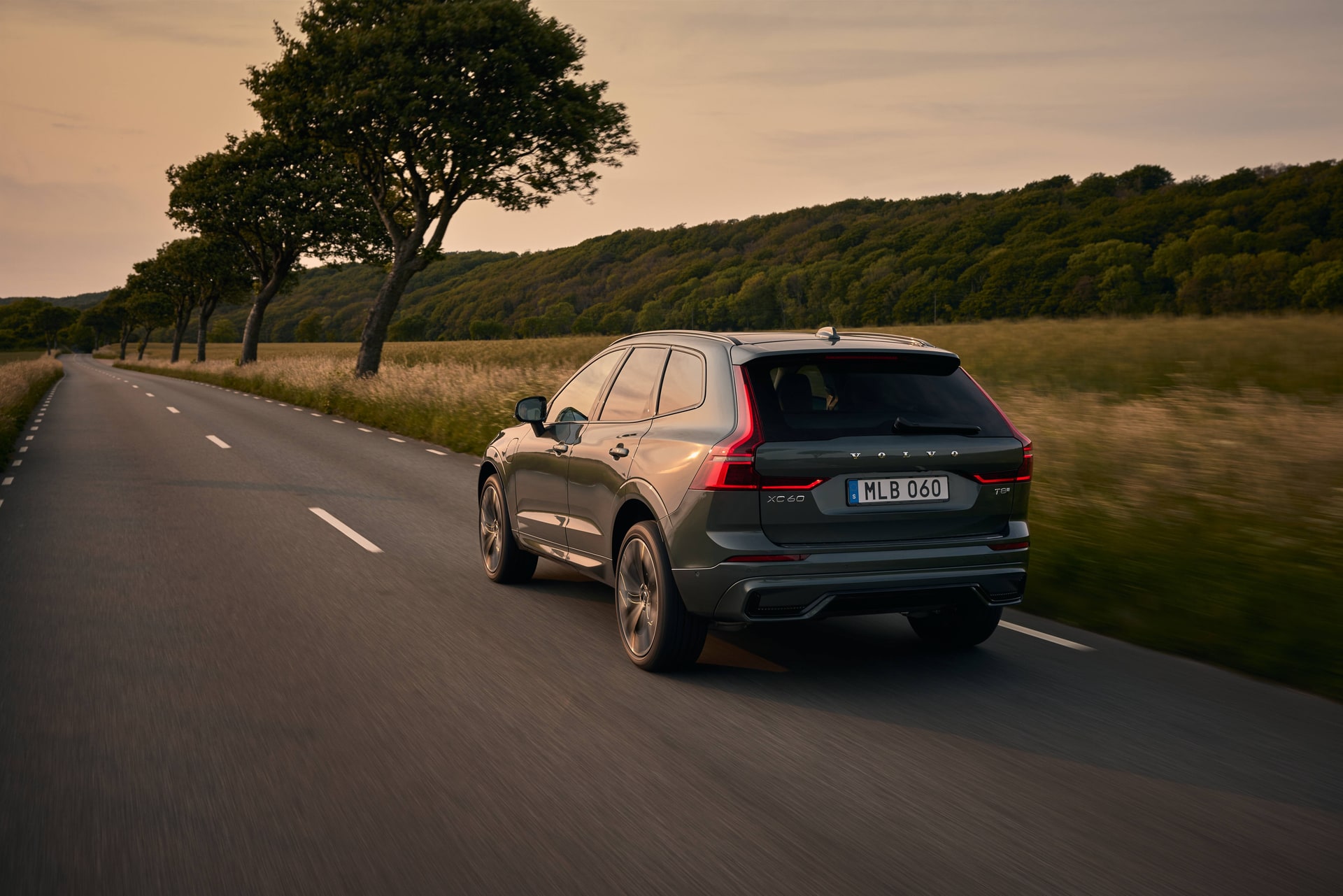
We analyse the duel between the newcomer LEPAS L8 PHEV and the established Volvo XC60 B5 AWD, two opposing readings of the premium SUV with hybrid technology.
The Spanish premium SUV segment is going through a moment of creative tension. On one side, European benchmarks that have refined for years their recipe of light electrification, fine materials and comfortable driving. On the other, a new generation of brands arriving with more ambitious technological proposals in electrification and software. The clash between the LEPAS L8 and the Volvo XC60 sums up that crossroads precisely: two legitimate visions of contemporary luxury on four wheels, separated by philosophy, mechanical architecture and brand positioning.
The new order of the premium SUV in Spain
The national market has moved from rewarding diesel mechanics to celebrating electrification, and within it there are already nuances: the mild hybrid (MHEV) remains the safe bet of traditional brands, while the plug-in hybrid (PHEV) gains ground when the customer seeks real electric urban use. It is on this frontier that the L8 and the XC60 meet.
LEPAS L8: the new technological benchmark from approximately €45,000 (indicative)
The LEPAS L8 is the brand’s calling card in the premium D-SUV segment. Its proposal is clear: a high-performance PHEV with electric range capable of covering most daily journeys without resorting to the combustion engine. We are talking about a 1.5 TGDI architecture combined with an electric system delivering around 280 CV and allowing around 100 km in zero-emissions mode, figures that place it above much of its European competition in its class.
Beyond the mechanics, LEPAS bets on an interior with aspirational materials, large-format screens and a standard equipment level designed to compete head-to-head with established brands, not to play the opening act for them.
| Power kW | Power CV | Top speed | Electric range | Consumption | Label | Fuel |
|---|---|---|---|---|---|---|
| 205 kW | 279 CV | data not available | 100 km | 2.2 l/100 km | ZERO | PHEV |
PHEV architecture and usage philosophy
With a battery of approximately 18.4 kWh, the L8 handles urban and peri-urban journeys without starting the combustion engine. The 1.5 TGDI comes into play on long trips, where homologated consumption stays around 2.2 l/100 km thanks to electric assistance. In essence, it is a car designed for those who want the ZERO label without giving up moving freely around the peninsula.
Design, size and interior space
With a length of close to 4,690 mm and a 5-seat configuration, the L8 fits squarely into the heart of the D-SUV segment, measuring up head-to-head against European benchmarks.
Volvo XC60: the established benchmark from approximately €56,850
If the L8 represents the new, the Volvo XC60 embodies refinement. The B5 AWD Essential version starts at an indicative €56,850 and keeps the Swedish recipe: 48 V mild hybridisation on a 2.0 petrol engine, all-wheel drive, automatic gearbox and an interior with the minimalist calm that has become the brand’s hallmark.
Its proposal does not seek maximum electric range but mechanical reliability, dynamic refinement and benchmark active safety. With 250 CV, it reaches around 180 km/h and homologates around 7.5 l/100 km, with emissions close to 170 g/km of CO₂.
| Power kW | Power CV | Top speed | Electric range | Consumption | Label | Fuel |
|---|---|---|---|---|---|---|
| 180 kW | 250 CV | ≈180 km/h | — | 7.5 l/100 km | ECO | MHEV petrol |
Brand value and product maturity
The XC60 has spent years perfecting suspension, soundproofing, ergonomics and driver assistance. It is a mature car that the European premium customer understands at first glance. The trade-off is evident: its mild hybridisation does not allow significant electric driving or the ZERO label.
PHEV vs MHEV: two answers to the same question
The key difference in the premium plug-in hybrid SUV comparison and the traditional mild hybrid lies in real-world use. The LEPAS L8 offers 100 electric km, domestic plug-in charging and the ZERO label with its tax and low-emission-zone access advantages. The XC60 B5 offers refinement, all-wheel drive and proven mechanics, but without external charging.
Comparison table and editorial score
| Model | Mechanics | Power | Electric range | Consumption | Label | Indicative price | Highmotor score |
|---|---|---|---|---|---|---|---|
| LEPAS L8 | PHEV 1.5 TGDI | 279 CV | 100 km | 2.2 l/100 | ZERO | €45,000 | 8.7 |
| Volvo XC60 B5 AWD | MHEV 2.0 petrol | 250 CV | — | 7.5 l/100 | ECO | €56,850 | 8.3 |
The prices mentioned are the manufacturer’s recommended retail price, without considering offers, dealer discounts, one-off campaigns or purchase aid.
Highmotor verdict
The Volvo XC60 remains a safe, sober and well-resolved purchase for those who value the brand and dynamic refinement. The LEPAS L8, by contrast, presents a more ambitious technological equation: more power, the ZERO label and a considerably lower urban running cost. In 2025, the question is no longer whether new brands can compete in the premium SUV segment, but how long the European customer will take to accept it.
Frequently asked questions
What is the difference between the LEPAS L8 and the Volvo XC60 in terms of electrification?
The LEPAS L8 is a plug-in hybrid (PHEV) with around 100 km of electric range and the ZERO label. The Volvo XC60 B5 AWD is a mild hybrid (MHEV) that does not allow significant electric driving and carries the ECO label.
Which of the two premium SUVs has more power?
The LEPAS L8 delivers 279 CV combined, compared with the 250 CV of the Volvo XC60 B5 AWD.
How much does the Volvo XC60 B5 AWD Essential cost in Spain?
Its price starts at approximately €56,850, in recommended retail price configuration without discounts or aid.
Is the LEPAS L8 a real alternative to the Volvo XC60?
Yes. In size, power and technological positioning it competes in the same segment, with the added advantage of the ZERO label and homologated consumption clearly lower thanks to its PHEV architecture.


 Peugeot E-208 GTi: a battery-powered toy that revives the spirit of the 1980s sports cars
 New Lexus ES: luxury grows and goes electric
 First contact with the Dacia Sandero Hybrid 155: power and efficiency from €19,890
Deja un comentario