Madrid is already fining excessive pollution: we explain how the "anti-pollution agents" work
 Victor Alós Yus @sepelaci
6 July 2021
2 min.
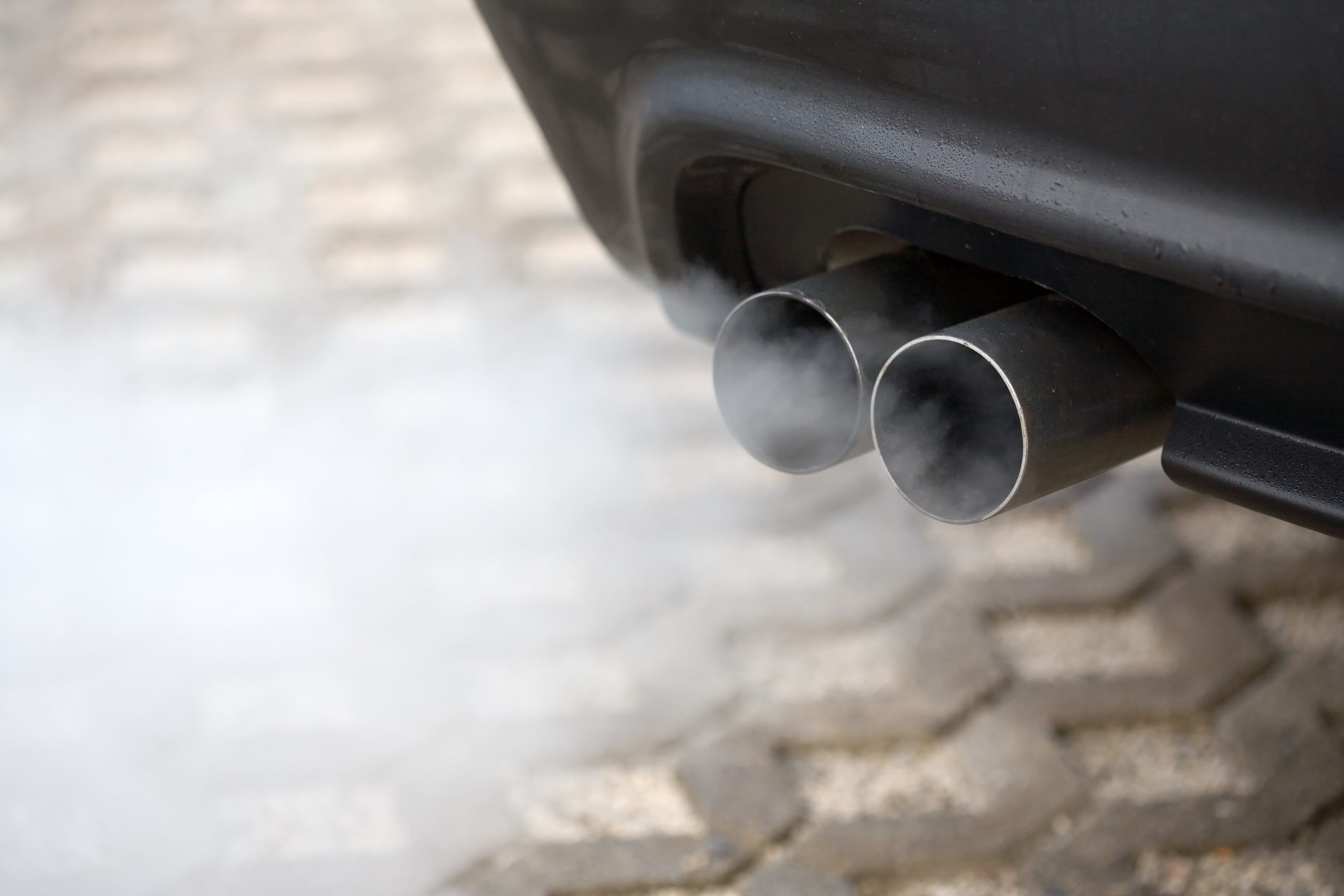
After announcing it a few months ago, the capital’s anti-pollution protocol has now come into force to penalise the cars that pollute the most.
In March it was made public that Madrid would have new regulations aimed at fighting pollution caused by cars. These new rules were intended to penalise vehicles with high levels of polluting gases and, in this way, make users aware that they must bring their emissions in line with what the law provides for.
Since this week the mobility agents assigned to this function are already active and can carry out the random checks they consider appropriate to determine whether emissions are within the permitted limits. Among their duties is measuring the exhaust of any vehicle they believe breaks the rules, and they will be able to act to penalise those who exceed these limits.
Fines, but with a second chance
The curious thing about this measure is that although they can impose penalties, fines are not applied immediately. Users whose vehicles have been detected exceeding maximum emission values have 30 days to go to the ITV and certify the problem and fix it if it persists.
In this way, the penalty becomes a warning that can avoid payment of the fine. If the owner does not go to the ITV and resolve the problem, the amount of the penalty can reach 2,500 euros if the excess emissions are far above what the law sets.
If the excess is only slightly above or average, the user could face a penalty considered minor, amounting to 750 euros. In the average case, with a high excess, it is considered serious and the fine could reach 1,500 euros. This only applies if the ITV is not visited or if, after going, the problem is not fixed within a reasonable period of time.
Fines will only be applied immediately if the user refuses to have their car submitted to the measurements and obstructs the work of the agents. In this case, the fine will be automatic and will amount to 3,000 euros. In extreme cases, the agents may immobilise the vehicle if emissions are exceptionally high. The vehicle will be towed by a crane to the municipal depot and will only be handed back to the owner if they commit in writing to carry out the repairs necessary to solve the problem.


 Peugeot E-208 GTi: a battery-powered toy that revives the spirit of the 1980s sports cars
 New Lexus ES: luxury grows and goes electric
 First contact with the Dacia Sandero Hybrid 155: power and efficiency from €19,890
Deja un comentario