Electric Cars Hybrid Cars Comparisons SUV
Peugeot 2008 vs Opel Mokka: Stellantis' internal duel for the most balanced urban compact SUV
 Dani Montesinos
11 June 2026
6 min.
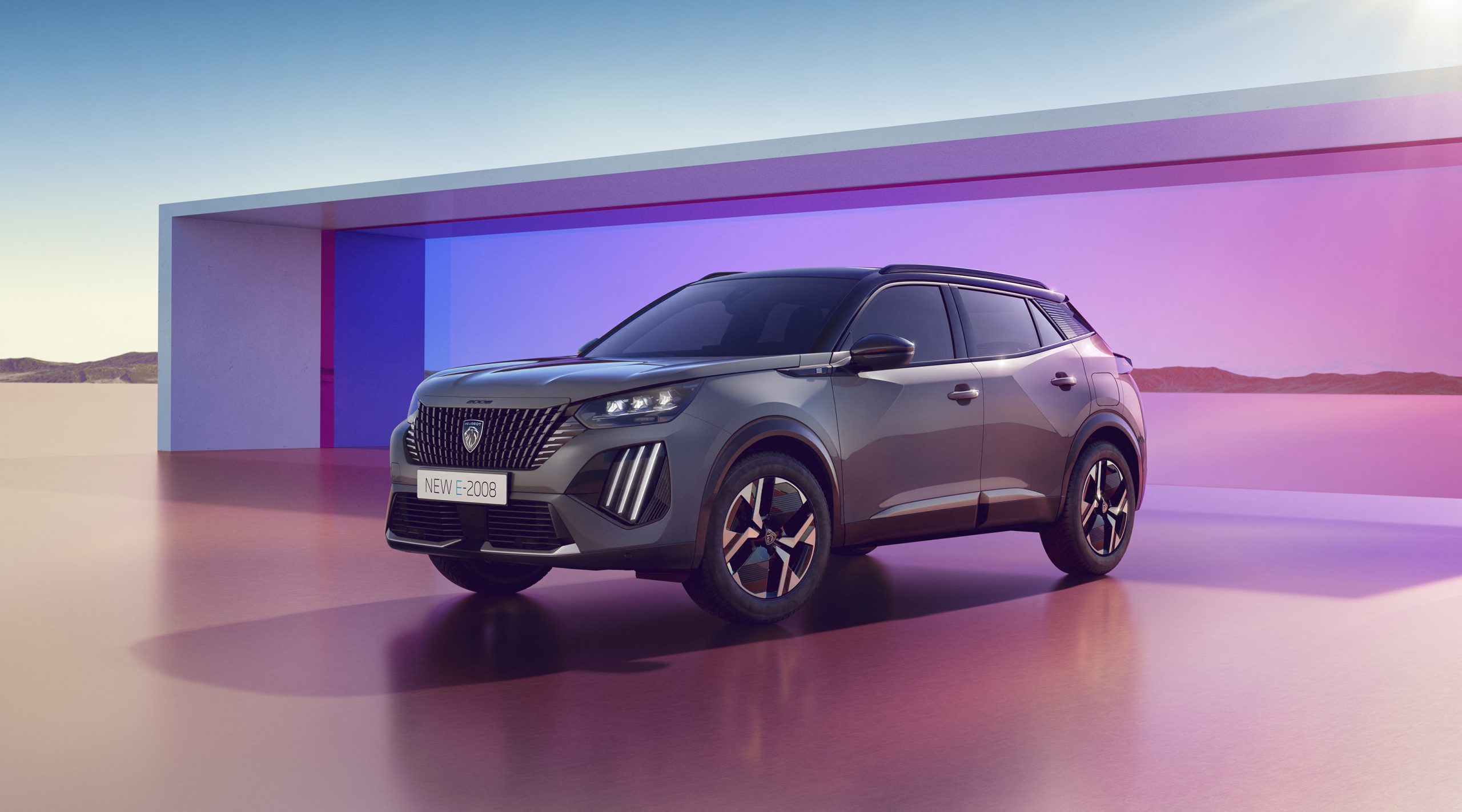
A comparison between the Peugeot 2008 mild-hybrid and the Opel Mokka electric, two SUV-Bs from Stellantis built on the same CMP platform but with opposing strategies.
The SUV-B segment has become Europe’s most profitable and fiercely contested battleground, and within Stellantis a fascinating domestic duel is underway. Two cars, one shared platform, two opposing philosophies: on one side, a Peugeot 2008 that bets on 48V mild-hybridisation as the pragmatic route to efficiency; on the other, a Opel Mokka that goes all-in on 100% electric with a proposition as bold as it is demanding on the wallet. Let’s find out who wins this internal showdown.
Two platform siblings, two electrification philosophies
The CMP (Common Modular Platform) is the backbone on which the Stellantis group builds much of its compact range. Both the 2008 and the Mokka share an architecture, a very similar wheelbase and many mechanical solutions, yet the end result on the road could not be more different. The Peugeot has opted for gradual, affordable electrification that reduces consumption without forcing the customer to rethink their daily routine. The Opel, by contrast, has pushed the Mokka towards a 100% electric future that demands infrastructure, patience and a considerable upfront outlay.
Peugeot 2008 Hybrid 145: the pragmatic 48V route — from approximately €23,980
The Peugeot 2008 in its Hybrid 1.2 145 48V Style version debuts the three-cylinder PureTech engine, supported by a small electric motor integrated into the new eDCS6 dual-clutch gearbox. The 145 CV figure does not impress on paper, but the delivery is noticeably smoother than in earlier purely combustion versions, especially when pulling away and manoeuvring in town, where the electric system moves the car for short stretches at low speeds.
The Peugeot’s i-Cockpit still sets the character: a small steering wheel, an elevated instrument display and a dashboard design that ages with dignity. Inside, the 2008 cultivates a more sophisticated and aspirational image than its Rüsselsheim sibling, with better-finished trim pieces and an overall more refined feel.
| Power kW | Power CV | Top speed | Range | Consumption | Label | Fuel |
|---|---|---|---|---|---|---|
| 100 kW | 145 CV | 210 km/h | ≈900 km (tank) | 4.9 l/100 km | ECO | Petrol mild-hybrid |
Opel Mokka Electric 156 54 kWh: the leap to 100% electric — from approximately €32,500
The Opel Mokka Electric Edition keeps the “Vizor” front styling that broke with the brand’s traditional image and gave it its own language within the group. The updated version, with a 54 kWh battery and a 156 CV motor, clearly improves on the original offer: the homologated range sits close to 400 km, a figure that is already reasonable for mixed use and sufficient for the vast majority of urban and interurban journeys.
The interior is managed through the Pure Panel system: two integrated screens, a clean interface and more conventional ergonomics than the Peugeot’s. The Mokka accelerates with the instant delivery typical of an electric car, and its urban behaviour is where it shines most: silence, smoothness and torque available from zero rpm, which makes it ideal for the dense traffic of Spain’s large cities.
| Power kW | Power CV | Top speed | Range | Consumption | Label | Fuel |
|---|---|---|---|---|---|---|
| 115 kW | 156 CV | 150 km/h | 402 km WLTP | 15.4 kWh/100 km | ZERO | Electric |
Exterior design: emotional i-Cockpit versus Germanic Vizor
Aesthetically they represent two very different schools within Stellantis. The 2008 favours theatricality: vertical light claws, a grille integrated into the bodywork and a profile with coupé-style nods. The Mokka, on the other hand, follows the path of geometric minimalism, with a flat, clean frontal treatment reminiscent of the Manta-e concept. Both measure around 4.30 metres and compete for the same customer, but their visual language clearly sets them apart.
Interior space and boot: technical tie, real nuances
Sharing a platform means the interior dimensions are very similar. The 2008’s boot is around 434 litres compared with roughly 350 for the electric Mokka (penalised by the battery housing). Rear seats are tight in both: fine for adults on short journeys, cramped on long ones. The 2008 offers slightly more light thanks to a less oppressive roof and pillar design.
Dynamic behaviour: weight, feel and the city
Here the Mokka pays the price of its more than 1,500 kg on the scales, against the roughly 1,300 kg of the 2008 Hybrid. The Peugeot is more agile through linked bends and conveys the road surface better, while the Opel compensates with a low centre of gravity thanks to the battery and notable composure at steady speeds. In town, the Mokka wins on silence and smoothness; on open roads, the 2008 feels more natural.
Summary table and verdict
| Model | Power | Range | Indicative price | Label | Score /10 |
|---|---|---|---|---|---|
| Peugeot 2008 Hybrid 145 | 145 CV | ≈900 km | €23,980 | ECO | 8.4 |
| Opel Mokka Electric 54 kWh | 156 CV | 402 km | €32,500 | ZERO | 7.8 |
The prices shown are the manufacturer’s recommended retail prices, without taking into account current offers, dealer discounts, one-off campaigns or purchase grants such as the Plan MOVES scheme.
The verdict depends on the buyer’s profile. For anyone seeking a versatile SUV-B with no charging commitments and a moderate entry price, the Peugeot 2008 Hybrid 145 is the most sensible choice: efficient, attractive and with a balanced running cost. For those with a home charging point, who live in a city with a Low Emission Zone (ZBE) and want to step fully into electric motoring with a ZERO label, the Opel Mokka Electric offers a more technologically advanced proposition, although its RRP demands a cool analysis of the numbers.
Frequently asked questions
Which Stellantis SUV offers better value for money: the Peugeot 2008 or the Opel Mokka?
The Peugeot 2008 Hybrid 145 offers better value for money for most users, with a starting RRP roughly €15,000 below the electric Mokka and without the need for charging infrastructure.
How much real-world range does the 54 kWh Opel Mokka Electric offer?
The homologated WLTP range is around 400 km. In real use, expect between 300 and 350 km in mixed driving, and figures close to or above 400 km in urban-only use.
Is the Peugeot 2008 hybrid a plug-in hybrid?
No. The 2008 Hybrid 145 is a 48V mild-hybrid with an electric motor integrated into the eDCS6 gearbox. It does not plug into the mains and does not allow pure electric driving over long journeys, although it does allow it for manoeuvres and at low speed.
Do the Peugeot 2008 and the Opel Mokka really share a platform?
Yes. Both are built on Stellantis’ CMP platform, sharing architecture, wheelbase and many mechanical components, although with clearly differentiated engines and brand-specific development.


 Peugeot E-208 GTi: a battery-powered toy that revives the spirit of the 1980s sports cars
 New Lexus ES: luxury grows and goes electric
 First contact with the Dacia Sandero Hybrid 155: power and efficiency from €19,890
Deja un comentario