Cupra Formentor e-Hybrid vs Hyundai Tucson PHEV: two visions of the most complete plug-in compact SUV
 Dani Montesinos
11 June 2026
5 min.
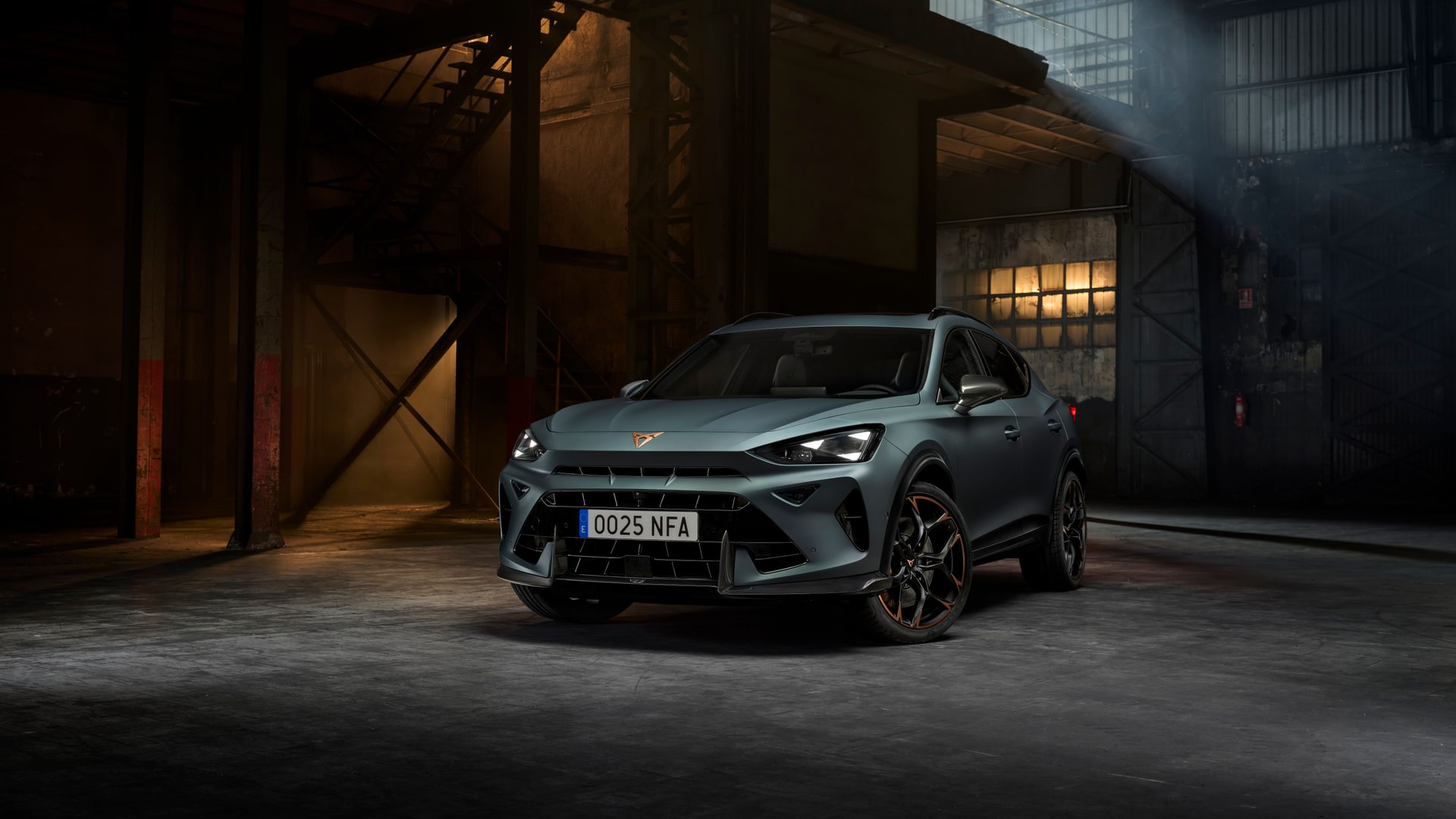
We compare the Cupra Formentor e-Hybrid with 204 CV against the Hyundai Tucson PHEV with 290 CV: two opposing approaches to the plug-in hybrid SUV on the Spanish market
The plug-in compact SUV has become the battlefield where the real energy transition of the mainstream car is being fought. There are no extremes here: neither the purity of the pure electric nor the inertia of the classic combustion engine. There is balance, a CERO label and the promise of combining everyday urban driving without burning a drop of petrol with the freedom to travel without worrying about chargers. Two radically different approaches compete in this league: the Cupra Formentor e-Hybrid, which debuts a new generation PHEV with a record electric range in the segment, and the Hyundai Tucson PHEV, which bets on muscle, all-wheel drive and a more affordable entry price.
Two opposing philosophies for the same segment
Few comparisons are as revealing as this one. The Formentor e-Hybrid comes with 204 CV combined, a 25.5 kWh battery and the ambition to cover up to 130 km in electric mode. The Tucson PHEV, on the other hand, offers 290 CV, four-wheel drive and about 70 km of electric range. One prioritises electric efficiency; the other, performance and mechanical versatility. Both carry the CERO label and both represent the maturity of the mid-range plug-in in Spain.
Cupra Formentor e-Hybrid: the new benchmark for electric range (from 43,480 €)
The renewed Formentor takes a notable generational leap as a PHEV. Its system combines a 1.5 TSI with an electric motor to deliver 204 CV, but the real revolution lies in the 25.5 kWh battery, which practically doubles the capacity of many of its direct rivals.
This allows it to homologate around 130 km of WLTP electric range, a figure unthinkable two years ago in this segment. In practice, it means a user with daily commutes of 40 or 50 km can go weeks without starting the combustion engine. In addition, it supports DC fast charging, something uncommon in PHEVs, which greatly multiplies its real-world usability.
In dynamic terms, the Formentor keeps the brand’s sporty DNA: a tuned chassis, direct steering and a suspension setup that remains among the most engaging in the segment. The indicative price starts at around 43,480 € (manufacturer’s recommended retail price, without discounts or campaigns).
| Power kW | Power CV | Top speed | Electric range | Consumption | Label | Fuel |
|---|---|---|---|---|---|---|
| 150 kW | 204 CV | 210 km/h | 126 km | 1.4 l/100 km | CERO | PHEV (petrol/electric) |
Hyundai Tucson PHEV: performance, all-wheel drive and a contained price (from 43,775 €)
The Tucson PHEV plays a different game. Its system combines a 1.6 T-GDI with an electric motor to reach 288 CV combined and, more importantly in this segment, HTRAC all-wheel drive as standard on the plug-in version. It is, by far, the more performance-oriented of the two.
Its battery, of roughly 14 kWh, offers around 70 km of electric range, a decent figure but clearly below that of the Cupra. In return, the Tucson provides a conventional six-speed automatic gearbox—more predictable than some DCT transmissions—and a solid character, with a comfortable balance between comfort and efficiency. Aesthetically, the Parametric Dynamics language of Hyundai remains one of the most striking in the segment.
Its indicative price starts at around 43,775 €, also the manufacturer’s recommended retail price.
| Power kW | Power CV | Top speed | Electric range | Consumption | Label | Fuel |
|---|---|---|---|---|---|---|
| 212 kW | 288 CV | 206 km/h | 70 km | 5.9 l/100 km | CERO | PHEV (petrol/electric) |
Electric efficiency: the decisive factor
Here the Formentor pulls ahead. 126 km homologated versus 70 km is almost double, and this translates into less use of the combustion engine, fewer visits to the petrol station and a significantly lower cost per kilometre if charged at home on a night tariff.
Performance and dynamics: the Tucson leads
In pure figures, the Tucson’s 288 CV and all-wheel drive allow a more forceful 0-100 and greater towing capacity. The Formentor, however, is more agile, has a lower centre of gravity and is more refined through corners.
Comparative summary table
| Model | Power | Electric range | Battery | Price from | Efficiency (1-10) | Performance (1-10) | Value (1-10) | Overall |
|---|---|---|---|---|---|---|---|---|
| Cupra Formentor e-Hybrid | 204 CV | 126 km | 25.5 kWh | 43,480 € | 9.5 | 8 | 8 | 8.5 |
| Hyundai Tucson PHEV | 288 CV | 70 km | 14 kWh | 43,775 € | 7 | 9 | 8.5 | 8.2 |
The prices shown are the manufacturer’s recommended retail prices, indicative only, excluding discounts, commercial campaigns and purchase incentives.
Verdict: two winners depending on the profile
The Formentor e-Hybrid is the rational choice for anyone who wants to get the most out of the PHEV concept: maximum electric range, fast charging and sporty dynamics. The Tucson PHEV convinces drivers seeking power, all-wheel drive and a lower entry price, accepting more limited electric use.
Frequently asked questions
Which has more real electric range, the Formentor e-Hybrid or the Tucson PHEV?
The Cupra Formentor e-Hybrid, with about 126 km WLTP homologated versus roughly 70 km for the Tucson PHEV. In real use, the difference remains proportionally similar.
Which is faster?
The Hyundai Tucson PHEV, with 288 CV and all-wheel drive, offers superior acceleration and towing capacity compared with the 204 CV of the Formentor.
Do both have the DGT CERO label?
Yes, both carry the CERO label by exceeding 40 km of homologated electric range, with all the associated tax and traffic advantages.
Which is more recommendable for everyday urban use?
The Formentor e-Hybrid, thanks to its larger battery and the possibility of DC fast charging, allows it to cover more days in 100% electric mode without resorting to the petrol engine.


 Peugeot E-208 GTi: a battery-powered toy that revives the spirit of the 1980s sports cars
 New Lexus ES: luxury grows and goes electric
 First contact with the Dacia Sandero Hybrid 155: power and efficiency from €19,890
Deja un comentario